Does Water Help With Weight Loss? Hydration, Water Pills, and GLP-1 Medications Explained
Does drinking water actually help you lose weight? A UK pharmacist explains hydration, water weight myths, diuretic risks, and how staying hydrated supports GLP-1 treatments.
Written by:

Medically reviewed by Chris Armstrong, MPharm
Key Takeaways
Water supports weight loss by reducing appetite, boosting metabolism slightly, and making exercise easier. Water pills only cause temporary fluid loss, not fat loss, and carry real health risks. Staying hydrated also helps manage side effects of GLP-1 medications like Wegovy.
Does Water Actually Help With Weight Loss?#
Yes, but probably not in the dramatic way you might hope. Water isn't a fat-burning miracle, but being well-hydrated genuinely does support weight loss in several meaningful ways. If you're consistently not drinking enough, that alone can quietly sabotage your efforts.
The NHS Eatwell Guide recommends around 6 to 8 glasses of fluid a day (roughly 1.5 to 2 litres for most adults), and that advice exists for good reason. Every metabolic process in your body runs on water, including the ones that burn calories and regulate appetite.
So let's go through what the evidence actually says, address the diuretic question directly, and look at where medications like Wegovy fit into the picture.
How Water Supports Weight Loss#
It gives your metabolism a small but real boost#
Drinking water increases something called thermogenesis, where your body burns calories warming the water to body temperature. Cold water produces a slightly larger effect than room temperature water for this reason. Studies have shown water can temporarily boost metabolic rate by around 25% for up to an hour after drinking it. That effect sounds modest in isolation, but across a full day of adequate hydration, it adds up.
Metabolism also depends on your cells being properly hydrated to function efficiently. Even mild dehydration can slow energy expenditure and make you feel sluggish, which often translates to moving less throughout the day.
Dehydration mimics hunger#
This is one of the most practically useful insights in nutrition, and it's often overlooked. Your hypothalamus regulates both thirst and hunger, and when you're mildly dehydrated, the signals can easily be misread. You feel hungry when your body actually needs fluids.
If you find yourself reaching for snacks between meals, drinking a glass of water first and waiting 10 to 15 minutes is worth trying. Research shows this simple habit can meaningfully reduce calorie intake over time. It's not a psychological trick; it's your physiology.
It reduces appetite before meals#
Multiple studies have looked at what happens when people drink around 500ml of water (roughly two cups) before eating. Consistently, they eat less at that meal without feeling less satisfied afterwards. The water physically occupies space in the stomach, slowing gastric emptying slightly and triggering fullness signals to the brain.
This is why the classic advice to have a glass of water before sitting down to eat has stuck around. The evidence behind it is solid.
It makes exercise feel easier#
Even a 1 to 2% drop in body water content can reduce physical performance noticeably. You'll feel more fatigued, your heart rate runs higher, and your perceived effort increases. None of that is helpful when you're trying to stay active as part of a weight loss plan.
Adeqate hydration keeps your joints lubricated, regulates your body temperature during exercise, and helps muscles recover afterwards. If exercise is part of your approach to losing weight, your water intake matters more than most people realise.
What About Sparkling Water, Lemon Water, and Coconut Water?#
Plain water is fine for hydration, but if you find it boring, there are worthwhile alternatives.
Sparkling water hydrates you just as effectively as still water. The carbonation can temporarily increase feelings of fullness, which some people find useful. The only caveat is that flavoured sparkling waters often contain added sugars or sweeteners, so check the label.
Lemon water is essentially water with a small nutritional bonus. Lemon juice contains vitamin C and some antioxidants, but the weight loss claims around lemon detoxes are not supported by evidence. What it does do is make plain water more palatable for people who struggle to drink enough, which is genuinely useful.
Coconut water has more calories than plain water (around 45 calories per 250ml) and contains natural sugars. It's a reasonable choice after exercise because it replaces electrolytes, but it's not a weight loss drink in its own right. If you're drinking it in significant quantities, factor those calories in.
Water Weight vs Fat Loss: Understanding the Difference#
This distinction matters because misunderstanding it leads to a lot of frustration.
When you start a new diet, particularly one that reduces carbohydrates, the first week often produces rapid weight loss, sometimes 2 to 4 kg in just a few days. It can feel motivating, but it's almost entirely water. Carbohydrates stored in your muscles as glycogen hold water, roughly 3g of water per gram of glycogen. When those stores deplete, you shed the water alongside them.
This is why weight often bounces back quickly if someone falls off a diet in the early stages. The glycogen refills, and the water comes back with it. It doesn't mean the diet failed; it means the initial loss wasn't fat.
True fat loss is slower and more sustained. Losing 0.5 to 1kg of actual body fat per week is a realistic and healthy target for most people. Scales fluctuating by a kilogram or two day to day is normal and mostly reflects fluid, not fat changes.
Water Pills for Weight Loss: Why They Don't Work (and Can Cause Real Harm)#
Searches for water pills or diuretics for weight loss are common, and it's worth being blunt about this: diuretics are not a weight loss treatment, and using them for that purpose carries genuine medical risks.
Diuretics work by prompting the kidneys to excrete more sodium and water in urine, reducing fluid volume in the body. There are several classes: loop diuretics (like furosemide), thiazide diuretics (like indapamide), and potassium-sparing diuretics (like spironolactone). Each works through a different mechanism in the kidney, but all produce the same result from a weight management perspective: temporary water loss.
Any weight you lose taking a diuretic returns as soon as you rehydrate normally. You have not lost fat. And in the process, you've put yourself at risk of:
- Electrolyte imbalances: Low potassium (hypokalaemia) is particularly dangerous and can cause heart arrhythmias, muscle cramps, and extreme fatigue.
- Dehydration: Beyond just feeling thirsty, serious dehydration stresses the kidneys.
- Kidney injury: Especially if taken without monitoring in the context of normal kidney function.
- Rebound fluid retention: The body compensates for diuretic use by retaining more fluid when they're stopped.
Importantly, no diuretic is licensed by the MHRA for weight loss in the UK. They are prescription medicines for specific clinical conditions: heart failure, hypertension, liver cirrhosis, and kidney disease, all assessed and managed by a doctor. Using them without a medical indication isn't just ineffective; it's medically irresponsible.
What about herbal or 'natural' diuretics? Dandelion root, green tea, and certain herbal teas do have mild diuretic effects. The fluid loss they produce is negligible, and the mechanism is the same: temporary water excretion, not fat loss. Some green tea extracts have shown modest effects on metabolism in research, but the weight loss benefit is small and comes from other compounds, not the diuretic effect.
If you're experiencing persistent ankle swelling, bloating, or fluid retention that concerns you, the right step is to see your GP. There are genuine medical causes for fluid retention that need proper assessment.
How Hydration Supports GLP-1 Medications Like Wegovy and Mounjaro#
This is something no competitor article seems to cover, and it's genuinely useful for anyone currently on, or considering, GLP-1 medication.
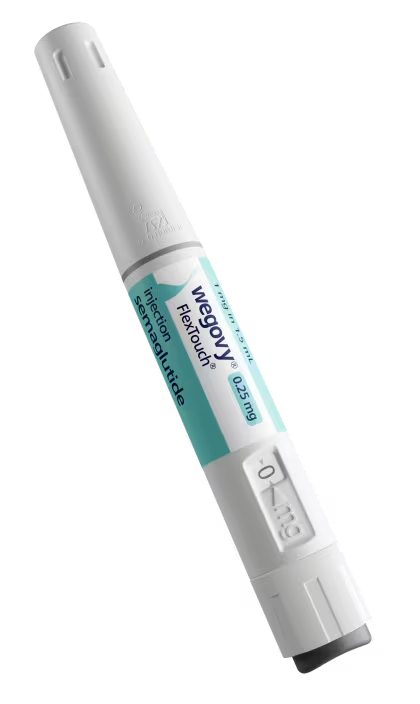
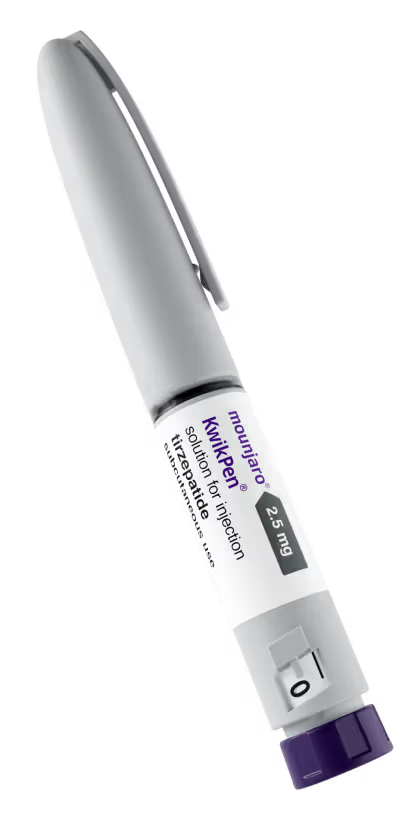
Wegovy (semaglutide) and Mounjaro (tirzepatide) work partly by slowing gastric emptying and reducing appetite. One common side effect, especially in the early weeks of treatment, is nausea. Staying well hydrated is one of the most effective ways to manage this. When your stomach is emptying more slowly and your appetite is suppressed, it can be easy to forget to drink enough. That compounds the nausea rather than relieving it.
Hydration also helps with another common early side effect: constipation. GLP-1 medications slow gut motility as part of their mechanism, and adequate fluid intake alongside dietary fibre is the most straightforward way to manage this.
Beyond side effect management, there's a behavioural interaction worth noting. One of the biggest adjustments people make on GLP-1 medication is eating smaller portions. With less food volume in the stomach, it's easy to also reduce fluid intake without noticing. Building a deliberate water habit alongside your medication routine helps maintain energy and supports the overall process.
If you're exploring GLP-1 treatments and want to understand which option might suit you, Totiva's weight loss service offers clinically led consultations with UK pharmacists, covering treatments including Wegovy and Mounjaro.
Got questions? Speak to a pharmacist on WhatsApp now
Prefer to browse first? View treatments
How Much Water Should You Drink?#
The NHS recommends 6 to 8 cups (around 1.5 to 2 litres) of fluid daily for most adults. That includes water, lower-fat milk, and sugar-free drinks, as well as tea and coffee in moderation.
That figure is a baseline, not a ceiling. If you're exercising regularly, you'll need more. If you live or work somewhere warm, you'll need more. Larger body size also increases requirements.
A practical guide: your urine should be pale yellow. Dark urine usually means you need to drink more. Clear and colourless urine through most of the day suggests you're probably drinking enough.
For people on GLP-1 medications, some clinicians suggest aiming slightly higher, around 2 to 2.5 litres, particularly during the dose-escalation phase when nausea and constipation are most likely.
When Water Isn't Enough#
Proper hydration supports weight loss. It helps with appetite, metabolism, exercise tolerance, and digestion. But it won't, by itself, produce meaningful fat loss for most people, particularly if there are hormonal, metabolic, or behavioural factors involved.
For adults with a BMI over 30, or over 27 with a weight-related health condition like type 2 diabetes or hypertension, NICE-approved GLP-1 medications can produce clinically significant and sustained weight loss. Wegovy has been shown to reduce body weight by around 15%, and Mounjaro by up to 22.5% in clinical trials.
These aren't quick fixes either, but unlike water pills, the results reflect actual fat loss, not temporary fluid shifts.
If you're at the point where lifestyle changes alone haven't been enough, and you want to understand whether medication is appropriate for you, Totiva offers a free online consultation with qualified UK clinicians. You only pay if a treatment is recommended and you choose to proceed. You can start a weight loss consultation here.
The Bottom Line#
Water genuinely helps with weight loss, mainly by managing appetite, supporting metabolism, and making exercise feel easier. The dehydration-mimics-hunger mechanism alone is reason enough to prioritise your fluid intake. Aim for around 2 litres a day as a baseline, adjust based on activity and climate, and use it as one pillar of a broader approach.
Water pills, on the other hand, are medically inappropriate for weight loss. The weight they cause you to lose is water, not fat, it comes back, and the risks are real. No reputable clinician will prescribe them for this purpose in the UK.
And if you're on a GLP-1 medication like Wegovy or Mounjaro, staying well hydrated is one of the most practical things you can do to manage side effects and support your treatment.
Medical Information: This article is for informational purposes only and does not constitute medical advice. Always consult a qualified healthcare professional before starting, stopping, or changing any treatment.