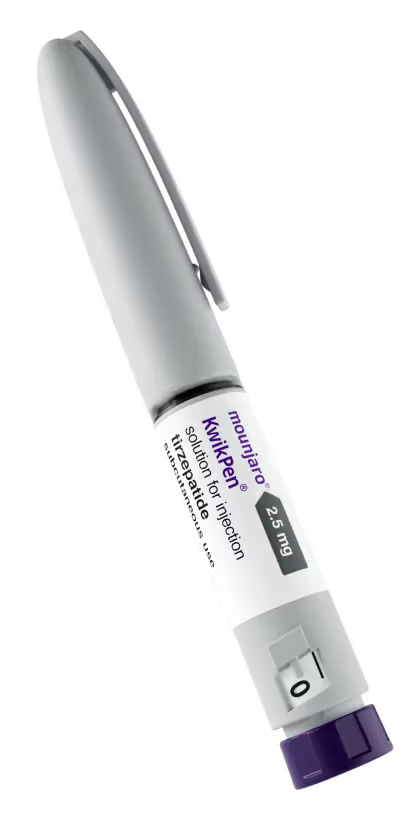
Mounjaro and pregnancy: what every woman should know
Planning a family while taking Mounjaro? Get clear guidance on stopping before conception, pregnancy safety, breastfeeding, and fertility considerations.
Written and medically reviewed by:

Key Takeaways
Stop Mounjaro at least one month before trying to conceive. It's not safe during pregnancy or breastfeeding, but may help improve fertility through weight loss in some women.
Mounjaro and pregnancy: what every woman should know#
If you're taking Mounjaro and thinking about starting a family, you've likely got questions about safety. The straightforward answer is that Mounjaro isn't recommended during pregnancy, and you'll need to stop taking it before trying to conceive. But there's more nuance to this story, especially around timing, fertility effects, and what happens if you accidentally take it while pregnant.
Why Mounjaro isn't safe during pregnancy#
Mounjaro (tirzepatide) hasn't been tested in pregnant women, which means we simply don't know if it's safe for developing babies. What we do know comes from animal studies, where tirzepatide was linked to slightly increased risks of birth defects and low birth weight.
While animal studies don't always translate to humans, the lack of safety data means healthcare providers take a cautious approach. The potential risks to your baby outweigh any benefits during pregnancy.
There's another practical consideration too: weight loss isn't recommended during pregnancy. Even if Mounjaro were completely safe, you wouldn't need its appetite-suppressing effects when you're supposed to be gaining weight to support your growing baby.
When to stop Mounjaro before conception#
The NHS recommends stopping Mounjaro at least one month before trying to conceive, though some doctors suggest two months to be extra cautious. This timing isn't arbitrary – it's based on how long tirzepatide stays in your system.
After your last injection, it takes about 30 days for Mounjaro to be completely eliminated from your body. During this time, if you became pregnant, there's a theoretical risk that remaining medication could affect early foetal development.
Planning ahead gives you the best outcome. If you're already trying to conceive or might become pregnant soon, speak with your GP about when to stop. They might suggest alternative diabetes management if you're using Mounjaro for blood sugar control, or discuss other weight management strategies.
What if you accidentally took Mounjaro while pregnant?#
Discovering you're pregnant while taking Mounjaro can be worrying, but try not to panic. Many women find themselves in this situation, and the key is taking prompt action:
- Stop taking Mounjaro immediately – don't wait for your next appointment
- Contact your GP or practice nurse within a day or two
- Book a prenatal appointment to confirm the pregnancy and discuss next steps
- Be honest about your medication history – your healthcare team needs accurate information
- If you have diabetes, discuss alternative management options straightaway
While we don't have complete data on early pregnancy exposure, remember that research is still emerging. Your healthcare team will monitor you more closely and may recommend additional scans or tests.
Could Mounjaro actually improve fertility?#
This is where things get more positive. While Mounjaro doesn't directly boost fertility, the weight loss it promotes can significantly improve your chances of conceiving, especially if you've been struggling with weight-related fertility issues.
Being overweight can disrupt ovulation and hormone balance, making it harder to get pregnant. Studies show that even modest weight loss – around 5-10% of your body weight – can restore regular ovulation and improve pregnancy rates.
For women with polycystic ovary syndrome (PCOS), the benefits might be even greater. PCOS often involves insulin resistance, which Mounjaro helps improve. Better insulin sensitivity can help restore hormonal balance and regular menstrual cycles, potentially making conception easier.
Some researchers are investigating whether GLP-1 medications like Mounjaro might have direct fertility benefits in PCOS, beyond just weight loss. The theory is that these drugs could help restore normal ovulation patterns by improving metabolic health.
If you're planning to use Totiva's weight loss service to help with conception planning, their pharmacists can discuss timing and provide guidance on stopping Mounjaro safely before you start trying to conceive.
Mounjaro and breastfeeding: what we know#
Current guidance is clear: Mounjaro isn't recommended while breastfeeding. We don't have studies showing whether tirzepatide passes into breast milk, how much a baby might absorb, or what effects it could have.
The medication molecule is quite large, which theoretically makes it less likely to pass into breast milk in significant amounts. Even if small amounts did transfer, a baby's digestive system probably wouldn't absorb much of it. But 'probably' isn't good enough when it comes to infant safety.
Most healthcare providers recommend waiting until you've completely finished breastfeeding before restarting Mounjaro. This might be 6-12 months or longer, depending on your breastfeeding journey.
Got questions? Speak to a pharmacist on WhatsApp now
Prefer to browse first? View treatments
When can you restart Mounjaro after pregnancy?#
The timing for restarting Mounjaro depends on whether you're breastfeeding and your individual circumstances. If you're not breastfeeding, you could theoretically restart soon after delivery, but most doctors suggest waiting at least 3-6 months.
This waiting period allows your body to recover from pregnancy and your hormones to stabilise. It also gives you time to establish healthy eating and exercise habits, which work alongside Mounjaro for the best results.
If you're breastfeeding, you'll need to wait until you've completely stopped. Your GP or practice nurse can help you decide on the right timing based on your health goals and circumstances.
How Mounjaro affects your menstrual cycle#
Many women notice changes to their periods while taking Mounjaro, though formal studies are limited. The changes usually relate to weight loss rather than direct drug effects.
Significant or rapid weight loss can temporarily disrupt your menstrual cycle. You might notice:
- Irregular periods or changes in flow
- Temporarily missed periods
- Different timing between cycles
If you have PCOS, you might actually see improvements. The weight loss and better insulin sensitivity that Mounjaro promotes can help restore more regular ovulation and periods.
Mounjaro and contraception: an important interaction#
Here's something crucial that many women don't know: Mounjaro can reduce the effectiveness of oral contraceptive pills. The medication slows gastric emptying, which means your stomach takes longer to process and absorb medications, including the pill.
This interaction is most significant when starting Mounjaro or increasing your dose. The official guidance is to use additional barrier contraception (like condoms) for four weeks after starting or increasing your Mounjaro dose.
Since Mounjaro doses typically increase monthly during the initial period, you might need extra contraception for several months. Many women find it easier to switch to a non-oral method like the coil, implant, or injection while taking Mounjaro.
The same interaction affects hormone replacement therapy (HRT). If you're taking oral HRT, speak with your GP before starting Mounjaro, as you might need to switch to patches or gels.
Ready to see if treatment could work for you?
Managing diabetes during pregnancy planning#
If you're using Mounjaro for type 2 diabetes, stopping it before conception means finding alternative management strategies. This is crucial because good blood sugar control before and during pregnancy significantly reduces the risk of complications.
Your GP might suggest:
- Returning to metformin, which is safe during pregnancy
- Making dietary changes to improve blood sugar control
- Monitoring your levels more frequently
- Referral to a specialist diabetes team
The key is making these changes before stopping Mounjaro, so your blood sugars remain stable throughout the transition.
Weight management during and after pregnancy#
Stopping Mounjaro might feel daunting if you've had good results with weight loss. It's natural to worry about regaining weight during pregnancy and beyond.
During pregnancy, focus on eating well rather than restricting calories. The NHS recommends that most women gain 10-12.5kg during pregnancy, regardless of their starting weight. Your midwife or GP can provide personalised guidance.
After delivery, especially if you're not breastfeeding, you can start thinking about weight management again. Some women find they maintain their weight loss through the lifestyle changes they made while on Mounjaro. Others benefit from restarting the medication once it's safe to do so.
Getting support with your decision#
Deciding when to stop Mounjaro and how to manage the transition requires individualised advice. Your circumstances – whether you have diabetes, PCOS, or other health conditions – will influence the best approach.
Totiva's pharmacist-led consultations can help you think through the timing and provide ongoing support as you plan for pregnancy. Their team understands the complexities of managing weight and health during the reproductive years.
The most important thing is planning ahead rather than making rushed decisions. Whether you're just thinking about starting a family or actively trying to conceive, having these conversations early gives you the best outcomes for both you and your future baby.
Medical Information: This article is for informational purposes only and does not constitute medical advice. Always consult a qualified healthcare professional before starting, stopping, or changing any treatment.