Finasteride Side Effects: What Men Need to Know Before Starting Treatment
Sexual dysfunction affects 2-15% of men taking finasteride. Mental health side effects are rarer but more serious. Here's what UK research shows.
Written and medically reviewed by:

Key Takeaways
Sexual side effects affect 2-15% of finasteride users but usually improve over time. Mental health effects are rare (<0.1%) but serious. Most men tolerate finasteride well with proper medical supervision.
Understanding Finasteride Side Effects#
Finasteride helps millions of UK men tackle male pattern baldness, but side effects remain a genuine concern. Around 2-15% of men experience sexual side effects, while depression affects fewer than 1 in 1,000 users. The key is understanding which side effects are common, which are serious, and how to manage your treatment safely.
Most side effects are mild and temporary, but knowing what to watch for - and when to seek help - makes all the difference in your treatment journey.
Common Side Effects You Might Experience#
The most frequently reported side effects affect sexual function. Research shows these occur in approximately 2-15% of men taking finasteride:
- Reduced libido - affects around 1.8% of users
- Erectile dysfunction - reported by 1.3% of men
- Ejaculatory disorders - including reduced semen volume in 0.7% of cases
- Breast tenderness or enlargement - uncommon but possible
These figures come from clinical trials, but real-world experience varies. Many men notice these effects within the first few months of treatment, and they often improve as your body adjusts to the medication.
The good news? Most sexual side effects resolve during continued treatment or disappear completely within weeks of stopping finasteride.
When Side Effects Become Serious#
Mental Health Concerns#
Depression and mood changes represent the most serious potential side effects of finasteride. The MHRA has recorded reports of depression, anxiety, and even suicidal thoughts, though these affect fewer than 0.1% of users.
Warning signs include:
- Persistent low mood lasting more than two weeks
- Loss of interest in activities you normally enjoy
- Significant changes in sleep patterns
- Thoughts of self-harm
If you experience any mental health changes while taking finasteride, stop the medication immediately and contact your GP or call 111.
Post-Finasteride Syndrome: Separating Fact from Fiction#
Post-finasteride syndrome (PFS) describes persistent side effects that continue after stopping the medication. Between 1992 and 2024, the MHRA received 426 reports of persistent sexual dysfunction - roughly 13-14 cases per year across millions of users.
While these reports are concerning, it's worth noting that PFS isn't officially recognised by major medical bodies. Research suggests the nocebo effect plays a significant role - men who expect side effects are nearly three times more likely to experience them.
This doesn't dismiss genuine concerns, but it highlights why balanced information matters when making treatment decisions.
Does Finasteride Cause Cancer?#
Early studies suggested finasteride might increase high-grade prostate cancer risk, causing understandable concern. However, long-term follow-up research has shown this isn't the case.
The apparent increase in aggressive cancers was actually due to better detection - finasteride shrinks the prostate, making cancers easier to spot during biopsies. When researchers accounted for this detection bias, the cancer risk disappeared.
In fact, finasteride may actually reduce overall prostate cancer risk by around 25%, according to large-scale studies.
Minimising Your Risk of Side Effects#
While you can't eliminate all risk, several strategies can help:
Start with the right dose: Most men take 1mg daily for hair loss. Never adjust your dose without medical supervision.
Maintain overall health: Regular exercise, good nutrition, and adequate sleep support both sexual and mental health. Smoking and excessive alcohol can worsen erectile dysfunction.
Monitor your response: Keep track of how you feel during the first few months. Most side effects appear early if they're going to occur at all.
Don't catastrophise: Excessive worry about side effects can actually trigger them. Focus on the fact that most men tolerate finasteride well.
When to Stop Finasteride#
Most side effects are reversible, but knowing when to stop treatment is crucial:
Stop immediately if you experience:
- Signs of depression or mood changes
- Thoughts of self-harm
- Severe allergic reactions
- Persistent, troubling side effects that affect your quality of life
Consider stopping if:
- Sexual side effects don't improve after 3-6 months
- You're not seeing hair regrowth benefits after 12 months
- Side effects outweigh the benefits for your lifestyle
Got questions? Speak to a pharmacist on WhatsApp now
Prefer to browse first? View treatments
Getting Help with Side Effects#
If you're experiencing side effects, don't suffer in silence. Your GP can help assess whether finasteride is right for you and explore alternatives.
For hair loss treatment, options include:
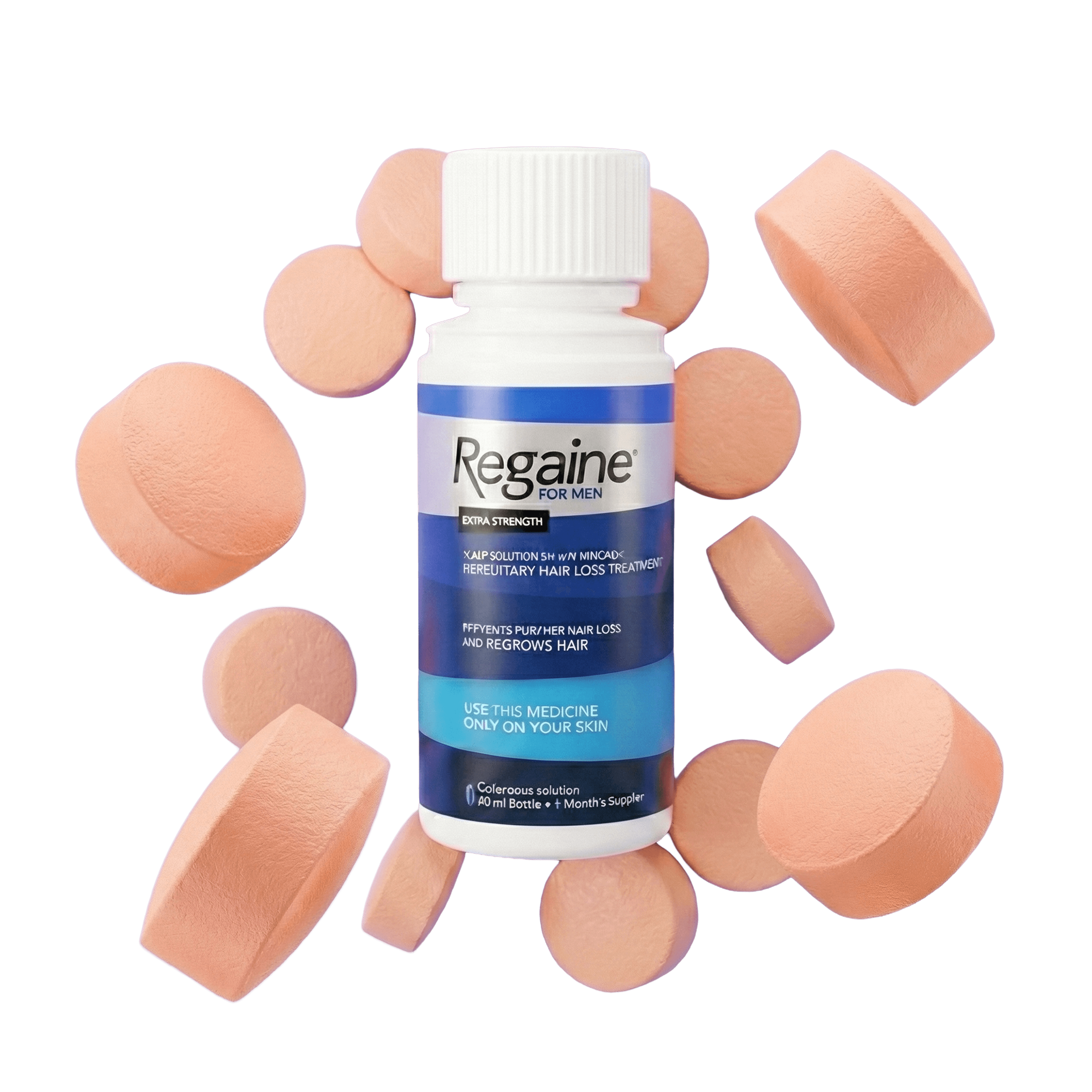
- Minoxidil (topical treatment)
- Low-level laser therapy
- Hair transplant procedures
- Topical finasteride formulations
At Totiva, our registered pharmacists can discuss your concerns and help you understand your treatment options, ensuring you get the support you need throughout your hair loss journey.
The Bottom Line#
Finasteride works well for most men with minimal side effects. Sexual side effects affect roughly 2-15% of users but usually improve over time. Mental health effects are rare but serious - always seek immediate help if you notice mood changes.
The key is making an informed decision based on your individual risk factors and treatment goals. With proper medical supervision and realistic expectations, finasteride can be a safe and effective hair loss treatment.
Medical Information: This article is for informational purposes only and does not constitute medical advice. Always consult a qualified healthcare professional before starting, stopping, or changing any treatment.