Finasteride vs Minoxidil for Hair Loss: Which Works Better?
Both treatments tackle male pattern baldness differently - finasteride blocks DHT production while minoxidil boosts blood flow to follicles.
Written and medically reviewed by:

Key Takeaways
Finasteride blocks DHT to prevent hair loss, while minoxidil improves blood flow for thicker growth. Using both together gives the best results for most men.
The Short Answer#
Finasteride and minoxidil are both clinically proven hair loss treatments, but they work completely differently. Finasteride tackles the root cause by blocking DHT (the hormone that shrinks hair follicles), while minoxidil improves blood flow to help existing follicles grow thicker hair. Most men get better results using both together.
How Finasteride Works Against Hair Loss#
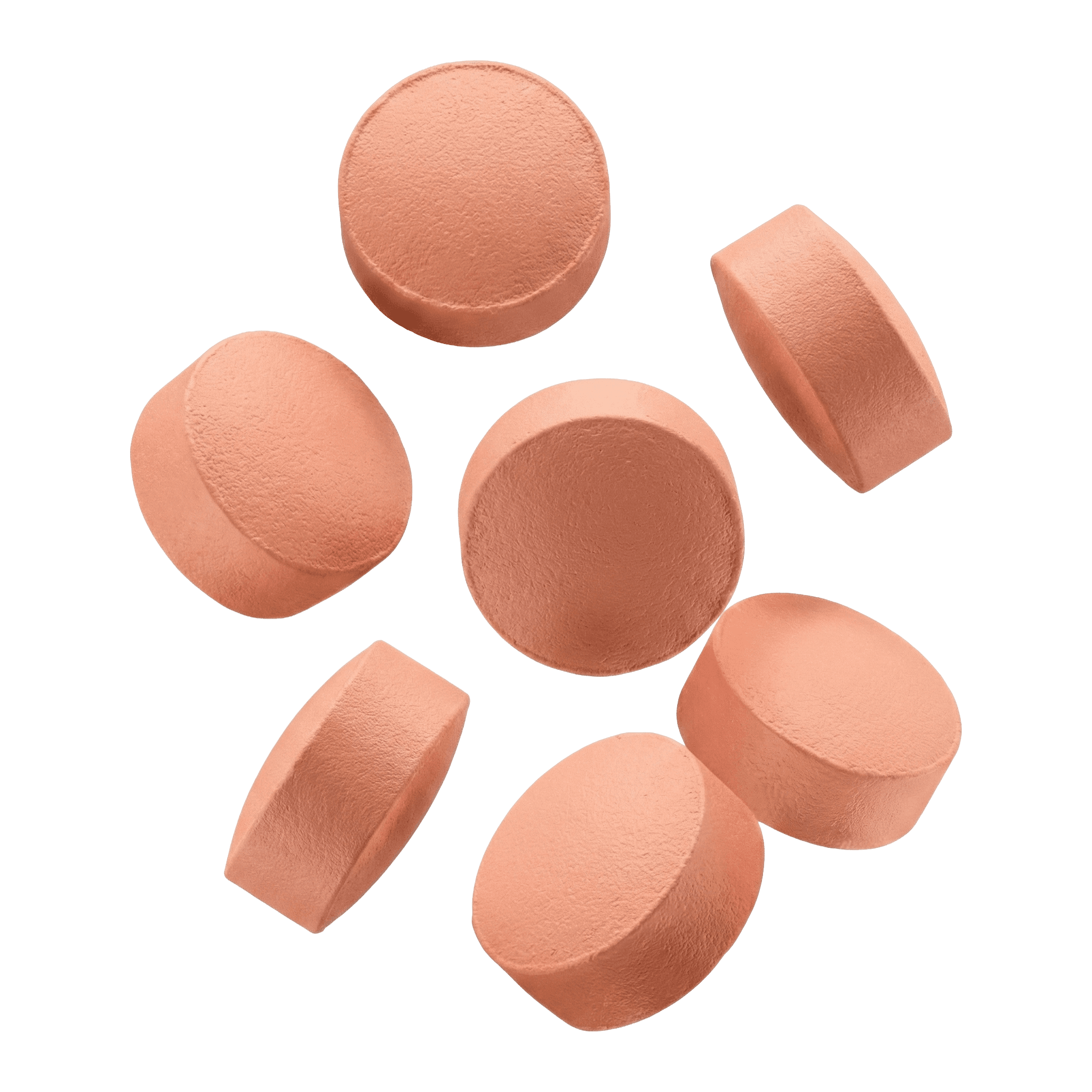
Finasteride is a 1mg daily tablet that blocks the enzyme 5-alpha-reductase. This enzyme converts testosterone into dihydrotestosterone (DHT) - the hormone responsible for male pattern baldness.
When DHT attaches to hair follicles, it gradually shrinks them until they stop producing visible hair. Finasteride reduces scalp DHT levels by around 60-70%, giving your follicles a chance to recover and start producing thicker hair again.
Clinical trials show that finasteride stops hair loss in about 90% of men and promotes new growth in roughly 65%. You'll typically see results after 3-6 months of daily use, with maximum benefits appearing around 12-24 months.
The main advantage of finasteride is that it addresses the underlying cause of male pattern baldness. However, it can cause sexual side effects in about 2-4% of users, including reduced libido and erectile dysfunction.
How Minoxidil Stimulates Hair Growth#
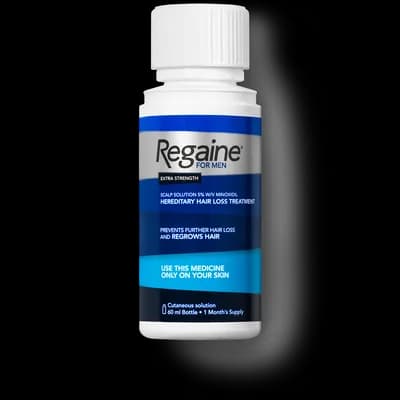
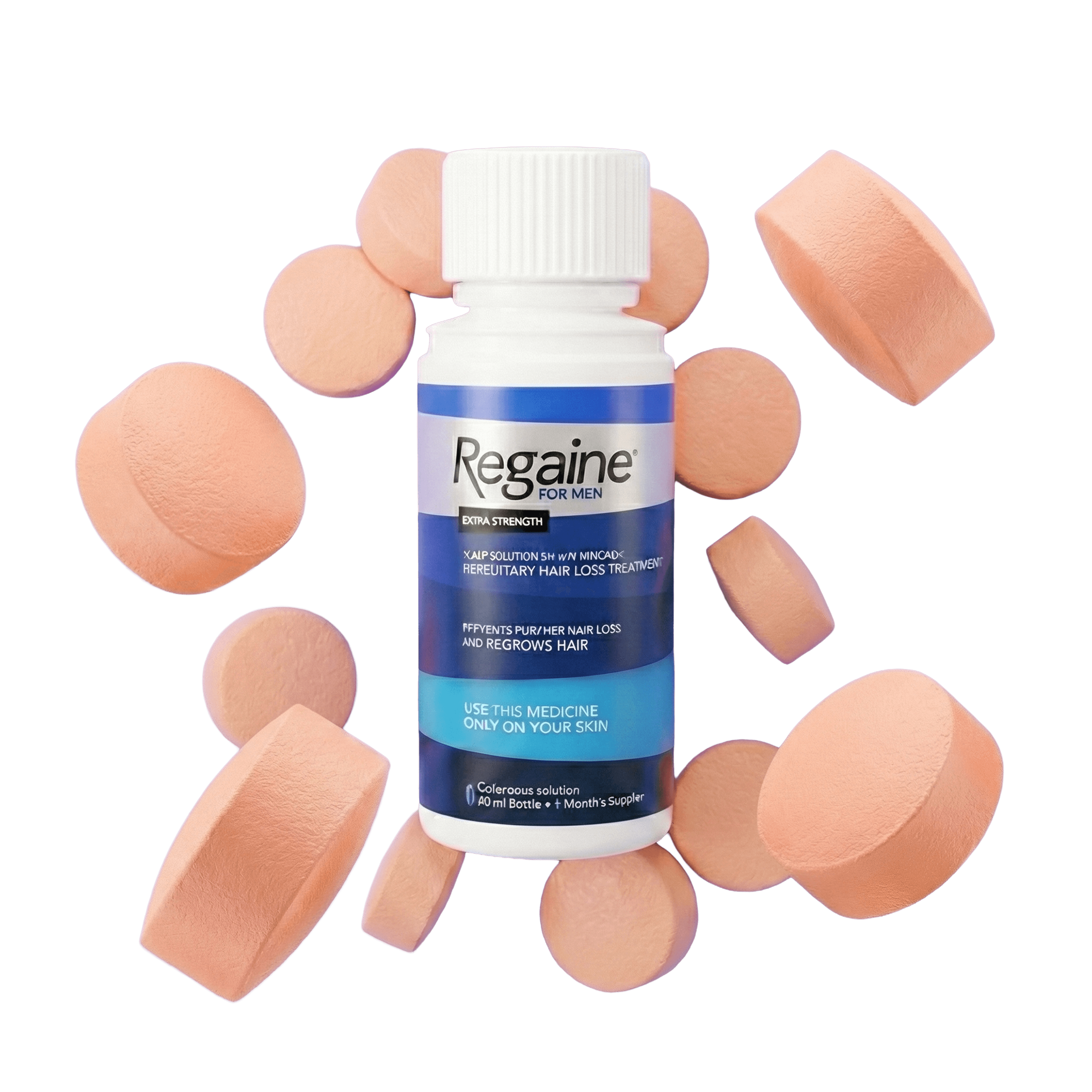
Minoxidil is a topical treatment you apply to your scalp twice daily. Originally developed as a blood pressure medication, doctors noticed that patients using it experienced unexpected hair growth.
The exact mechanism isn't fully understood, but minoxidil appears to work in three ways:
- Improves blood circulation to hair follicles, delivering more nutrients and oxygen
- Extends the growth phase of your hair cycle, allowing follicles to produce hair for longer periods
- Increases follicle size, which creates thicker, more visible hair strands
Minoxidil is available in 2% and 5% strengths, with the stronger version showing better results in clinical studies. About 40% of men see moderate to dense hair regrowth after 4-6 months of consistent use.
The main drawback is that minoxidil doesn't stop the underlying cause of hair loss. If you stop using it, any new growth will fall out within 3-4 months.
Effectiveness Comparison#
Both treatments have solid clinical evidence, but they work at different stages of hair loss:
Finasteride is most effective for men with early to moderate hair loss on the crown and mid-scalp area. It's less effective for a receding hairline or advanced baldness where follicles have been inactive for years.
Minoxidil can help at any stage of hair loss and works on all areas of the scalp, including the hairline. However, it's better at thickening existing thin hair rather than regrowing hair in completely bald areas.
A 2015 study comparing both treatments found that combination therapy produced superior results to either treatment alone, with 94.1% of men showing hair count improvements compared to 80.5% with finasteride alone and 59% with minoxidil alone.
Side Effects and Safety Considerations#
Finasteride's most concerning side effects are sexual, affecting 2-4% of users. These include:
- Reduced sex drive
- Erectile dysfunction
- Decreased semen volume
- Breast tenderness (rare)
Most side effects resolve when stopping treatment, though some men report persistent symptoms.
Minoxidil side effects are typically milder and localised:
- Scalp irritation or dryness
- Unwanted facial hair growth
- Temporary increased hair shedding (first 2-8 weeks)
- Rapid heartbeat (rare, from systemic absorption)
Cost and Convenience#
Finasteride costs around £15-25 per month for generic versions, while branded Propecia costs £40-60. You take one tablet daily, making it very convenient.
Minoxidil ranges from £20-40 monthly depending on the brand and strength. The twice-daily application takes more effort, and the solution can make hair look greasy or stiff.
Through Totiva's online consultation service, you can get either treatment prescribed and delivered discreetly to your door.
Got questions? Speak to a pharmacist on WhatsApp now
Prefer to browse first? View treatments
Which Should You Choose?#
Your choice depends on several factors:
Choose finasteride if:
- You're in the early stages of hair loss
- You want to prevent further loss rather than just thicken existing hair
- Convenience is important to you
- You're comfortable with the small risk of sexual side effects
Choose minoxidil if:
- You have a receding hairline (finasteride is less effective here)
- You want to avoid potential sexual side effects
- You have more advanced hair loss
- You prefer topical treatments over oral medication
Consider both if:
- You want maximum results
- You can commit to a comprehensive treatment routine
- Your hair loss is moderate to severe
Remember that both treatments require ongoing use - stopping either one means you'll lose any benefits within 3-12 months. The earlier you start treatment, the better your chances of maintaining and regrowing hair.
If you're unsure which approach suits you best, speak with a healthcare professional who can assess your specific pattern of hair loss and medical history.
Medical Information: This article is for informational purposes only and does not constitute medical advice. Always consult a qualified healthcare professional before starting, stopping, or changing any treatment.