DHT: The Hair Loss Hormone Explained
DHT drives male pattern baldness by shrinking hair follicles. Learn how this hormone works, what blocks it, and which treatments actually work.
Written and medically reviewed by:

Key Takeaways
DHT is a hormone that causes male pattern baldness by shrinking hair follicles. Finasteride effectively blocks DHT production, while topical treatments and natural remedies offer limited benefits.
What Is DHT?#
DHT (dihydrotestosterone) is a powerful hormone derived from testosterone that's responsible for about 95% of male pattern hair loss cases. While DHT plays important roles in male development - from deepening your voice during puberty to maintaining muscle mass - it's also the primary culprit behind receding hairlines and thinning crowns.
Your body converts testosterone to DHT using an enzyme called 5-alpha-reductase. Men who inherit a genetic sensitivity to DHT will find this hormone gradually destroys their hair follicles, starting typically in their twenties or thirties.
How DHT Destroys Hair Follicles#
The process isn't dramatic - it's frustratingly slow and methodical. DHT binds to androgen receptors in genetically susceptible hair follicles, primarily around your temples and crown. This binding triggers a cascade of events:
- Hair follicles begin shrinking (miniaturisation)
- Hair growth phases become shorter
- New hairs grow back thinner and weaker
- Eventually, follicles stop producing visible hair entirely
This entire process can take 10-15 years, which explains why hair loss often feels gradual until you compare photos from years apart. The follicles on your sides and back of your head typically lack these androgen receptors, which is why these areas resist DHT-related hair loss.
Why Some Men Keep Their Hair#
It comes down to genetics. Men with lower DHT sensitivity or fewer androgen receptors in their scalp maintain fuller hair well into their later years. Having a father or grandfather with male pattern baldness increases your likelihood of experiencing it, though the inheritance pattern isn't straightforward - you can inherit sensitivity from either parent's side.
DHT Blockers That Actually Work#
The most effective DHT blocker is finasteride (Propecia), which works by inhibiting the 5-alpha-reductase enzyme. Clinical trials show finasteride reduces scalp DHT levels by approximately 70%, stopping further hair loss in 80-90% of men and promoting regrowth in about 65%.
Finasteride requires a prescription and works best when started early. Men typically see stabilisation within 6-12 months, though visible regrowth can take 12-24 months. The standard dose is 1mg daily, and you'll need to take it continuously to maintain benefits.
Natural DHT Blockers: Limited Evidence#
Saw palmetto, pumpkin seed oil, and green tea extract are often marketed as natural DHT blockers. While some small studies suggest potential benefits, the evidence remains weak compared to prescription treatments. These natural compounds might provide modest support but shouldn't be considered primary treatments for significant hair loss.
Do DHT-Blocking Shampoos Work?#
Honestly, not really. While shampoos containing ketoconazole, saw palmetto, or caffeine might improve hair quality and scalp health, they can't penetrate deeply enough to meaningfully impact DHT production or follicle miniaturisation.
Ketoconazole shampoo (like Nizoral) does have some anti-androgenic properties and can complement other treatments, but expecting dramatic results from shampoo alone will likely disappoint you. Think of DHT-blocking shampoos as potentially helpful additions to proven treatments, not replacements.
Side Effects and Safety Concerns#
Finasteride causes side effects in roughly 2-5% of men, including:
- Decreased libido
- Erectile dysfunction
- Reduced ejaculate volume
- Breast tenderness (rare)
Most side effects resolve when stopping treatment, and many men who experience initial side effects find they diminish after the first few months. However, some men report persistent sexual side effects even after discontinuation, though this remains controversial and poorly understood.
The MHRA requires prescribers to discuss these risks thoroughly before starting treatment.
Combining DHT Blockers with Other Treatments#
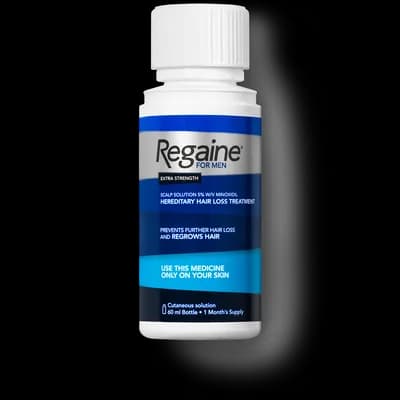
Finasteride works synergistically with minoxidil, which improves blood flow to hair follicles through a different mechanism. Studies show combining both treatments produces superior results compared to using either alone.
Minoxidil doesn't block DHT but can help damaged follicles recover and grow thicker hair. This combination approach - addressing both the hormonal cause (DHT) and supporting follicle function (minoxidil) - represents the current gold standard for male pattern baldness treatment.
Got questions? Speak to a pharmacist on WhatsApp now
Prefer to browse first? View treatments
Lifestyle Factors and DHT#
While you can't significantly lower DHT through lifestyle changes alone, certain factors may help:
Stress management: Chronic stress can accelerate hair loss by increasing cortisol levels, which may interact negatively with DHT sensitivity.
Proper nutrition: Deficiencies in iron, zinc, or vitamin D can worsen hair loss, though correcting these won't override genetic DHT sensitivity.
Regular exercise: Moderate exercise may help regulate hormone levels, though excessive intense exercise might temporarily increase DHT production.
When to Start Treatment#
The earlier you address DHT-related hair loss, the better your results will be. Once follicles have miniaturised significantly or died completely, even the most effective treatments struggle to restore them.
If you're noticing increased hair shedding, a receding hairline, or thinning at the crown, consulting with a healthcare provider sooner rather than later gives you the best chance of preserving your existing hair.
Getting Professional Help#
At Totiva, our pharmacists can assess your hair loss pattern and discuss whether DHT-blocking treatments might be appropriate for you. We provide comprehensive consultations that consider your medical history, current medications, and treatment goals to develop a personalised approach.
Don't wait until significant hair loss occurs - the hair you save today is often more valuable than the hair you might regrow tomorrow.
Medical Information: This article is for informational purposes only and does not constitute medical advice. Always consult a qualified healthcare professional before starting, stopping, or changing any treatment.