Are DHT-Blocking Shampoos Worth Your Money?
Hair thickening shampoos promise to tackle male pattern baldness, but can washing your hair really stop hair loss? We examine the evidence behind DHT-blocking ingredients.
Written and medically reviewed by:

Key Takeaways
DHT-blocking shampoos may slow early hair loss and improve appearance but won't restore lost hair. They work best combined with proven treatments like finasteride, not as standalone solutions.
DHT-Blocking Shampoos: The Reality Behind the Claims#
Hair thickening shampoos have become increasingly popular among men experiencing early hair loss, with many promising to block DHT (dihydrotestosterone) - the hormone responsible for male pattern baldness. But can a shampoo really make a meaningful difference to your hairline?
The short answer is: they might help, but they're not a miracle cure. While some ingredients in these products have scientific backing, expecting dramatic results from shampoo alone is unrealistic.
The Science of DHT and Hair Loss#
To understand whether DHT-blocking shampoos work, you need to know what you're fighting. DHT is created when testosterone combines with the enzyme 5-alpha reductase. In men genetically predisposed to male pattern baldness, DHT binds to hair follicles, causing them to shrink progressively until they stop producing hair entirely.
This process, called miniaturisation, typically starts at the crown and temples - explaining the classic male pattern baldness appearance. Once follicles are completely dormant, no topical treatment can revive them, which is why early intervention matters.
Key Ingredients That Actually Work#
Not all hair thickening shampoos are created equal. The most promising ingredients include:
Saw Palmetto Extract: The most studied DHT-blocking ingredient in shampoos. Research suggests it can inhibit 5-alpha reductase activity, though studies on topical application are limited. A 2020 study found men using saw palmetto supplements showed 38% more hair growth than placebo groups, but topical effectiveness remains less proven.
Ketoconazole: Originally an antifungal agent, ketoconazole has mild anti-androgenic properties. A 2019 study published in the International Journal of Dermatology found 2% ketoconazole shampoo increased hair density when used twice weekly.
Caffeine: While it sounds gimmicky, caffeine can penetrate the hair follicle and may counteract DHT's effects at a cellular level. German research showed caffeine-containing shampoos increased hair shaft elongation in laboratory studies.
Biotin and B-vitamins: These don't block DHT but support overall hair health and may improve hair strength and appearance.
What Results Can You Realistically Expect?#
If you're hoping DHT-blocking shampoos will restore a full head of hair, you'll be disappointed. Here's what they might actually achieve:
- Slower hair loss progression: For men in early stages (Norwood scale 1-3), these shampoos may help maintain existing hair longer
- Improved hair appearance: Thickening agents can make hair look fuller temporarily
- Better scalp health: Many formulations reduce inflammation and improve overall scalp condition
- Minimal regrowth: Don't expect significant new hair growth from shampoo alone
Timeline for Results#
If DHT-blocking shampoos are going to help, you'll typically see:
- Reduced hair shedding: 6-8 weeks
- Improved hair texture: 8-12 weeks
- Any thickness improvements: 3-6 months
Consistent daily use is essential - occasional use won't provide benefits.
The Cost-Effectiveness Question#
Premium DHT-blocking shampoos typically cost £20-40 monthly. Compare this to proven treatments:
- Finasteride tablets: £15-25 monthly, clinically proven to stop hair loss in 85% of men
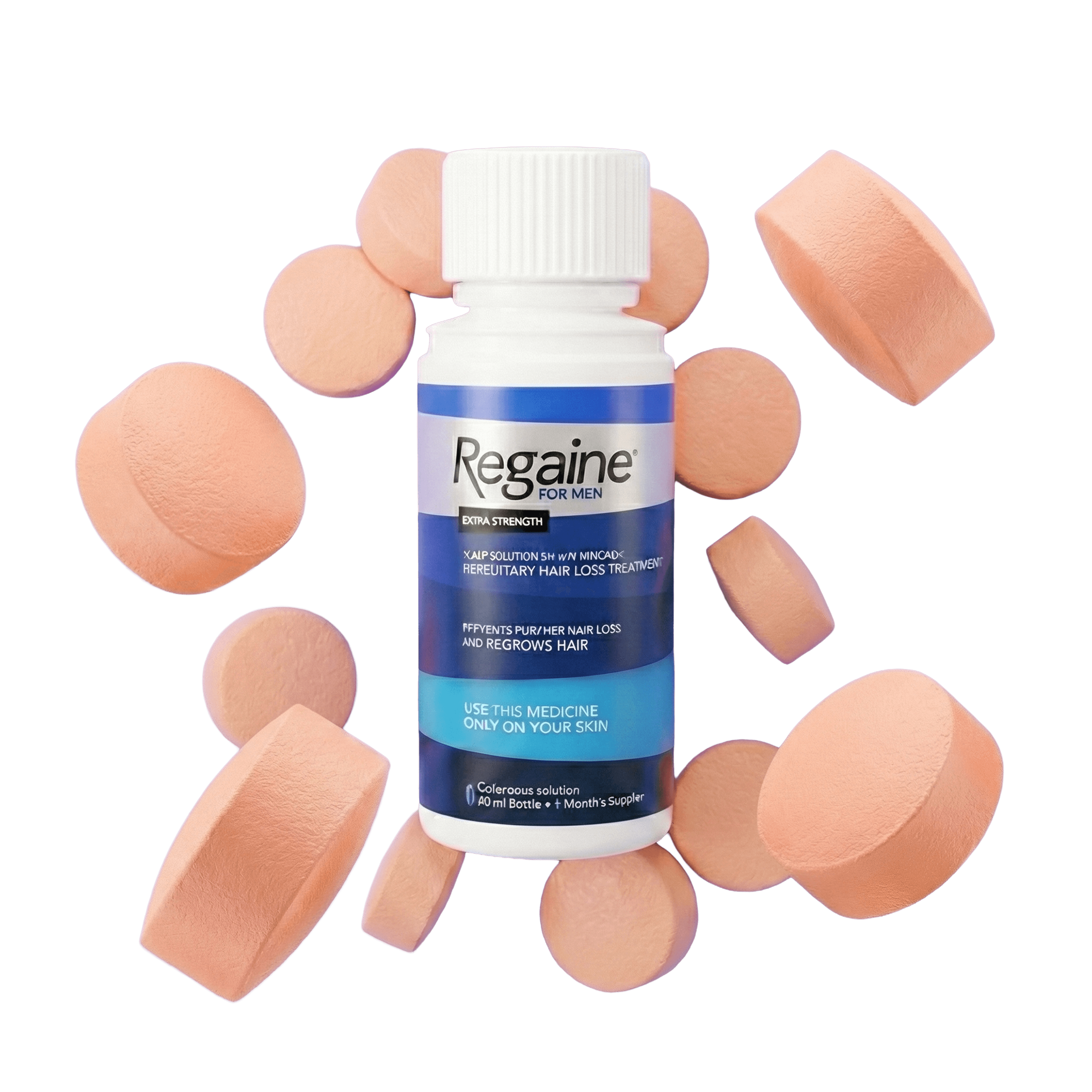
- Minoxidil solution: £20-30 monthly, FDA-approved for hair regrowth
- Combination therapy: More expensive but significantly more effective
From a purely financial perspective, investing in clinically proven treatments like finasteride gives you better value for money.
When DHT-Blocking Shampoos Make Sense#
These products work best as part of a comprehensive approach:
Good candidates:
- Men with very early hair loss (minimal recession)
- Those using finasteride or minoxidil seeking additional support
- Men who can't tolerate oral medications
- Anyone wanting to maintain scalp health preventively
Poor candidates:
- Men with advanced hair loss (Norwood 4+)
- Those expecting dramatic regrowth
- Anyone looking for a standalone solution
UK Treatment Guidelines and Alternatives#
The NHS recognises male pattern baldness as a medical condition but doesn't routinely prescribe treatments on the NHS unless there's significant psychological distress. NICE guidelines acknowledge finasteride and minoxidil as effective treatments but don't specifically recommend DHT-blocking shampoos.
If you're considering hair loss treatment, speak with a healthcare professional first. At Totiva, our qualified pharmacists can assess whether DHT-blocking shampoos suit your situation or if prescription treatments like finasteride would be more appropriate.
Got questions? Speak to a pharmacist on WhatsApp now
Prefer to browse first? View treatments
The Honest Verdict#
DHT-blocking shampoos aren't snake oil, but they're not miracle cures either. The best evidence suggests they may slow hair loss progression and improve hair appearance, particularly when combined with proven treatments.
For men with early hair loss willing to try a multi-faceted approach, quality DHT-blocking shampoos can be a reasonable addition to more established treatments. However, if you're looking for significant hair regrowth or want the most cost-effective solution, prescription medications like finasteride remain the gold standard.
The key is managing expectations and understanding these products' limitations. They're a potentially useful tool in your hair loss arsenal, but they shouldn't be your only weapon.
Medical Information: This article is for informational purposes only and does not constitute medical advice. Always consult a qualified healthcare professional before starting, stopping, or changing any treatment.