Mounjaro Side Effects: What to Expect and How to Manage Them
Most people experience mild gut-related side effects when starting Mounjaro. Here's what to expect and how to manage them effectively.
Written and medically reviewed by:

Key Takeaways
Most Mounjaro users experience mild digestive side effects like nausea and diarrhoea in the first 2-4 weeks. These typically resolve as your body adjusts to the medication.
Mounjaro Side Effects: What to Expect and How to Manage Them#
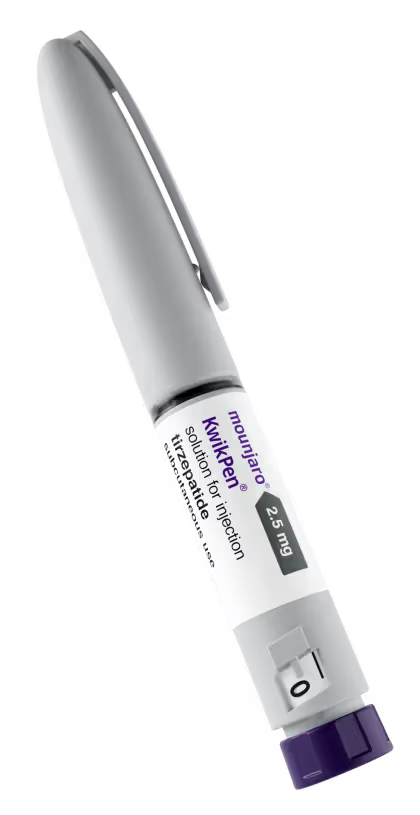
Mounjaro (tirzepatide) is proving to be one of the most effective weight loss medications available, but like all medicines, it comes with potential side effects. Around 80% of people starting GLP-1 medications want to understand the side effects first - and rightly so.
The good news? Most side effects are mild and temporary. Studies show that whilst digestive symptoms are common initially, they typically settle within a few weeks as your body adjusts.
The Most Common Mounjaro Side Effects#
Because Mounjaro affects how your stomach empties and processes food, the most frequent side effects involve your digestive system:
Gastrointestinal Effects#
- Nausea - affects up to 15% of people starting treatment
- Diarrhoea - particularly common in the first few weeks
- Vomiting - usually mild and decreases over time
- Constipation - can alternate with loose stools initially
- Stomach pain or discomfort
- Bloating and wind
- Loss of appetite - this is actually part of how the medication works
Other Common Effects#
- Fatigue - your body adjusting to eating less can cause tiredness
- Headaches - often linked to changes in eating patterns
- Injection site reactions - redness, swelling or mild pain where you inject
- Dizziness - sometimes related to blood pressure changes from weight loss
In clinical trials, nausea was the most reported side effect, affecting around 12-22% of participants depending on the dose. However, most people found it manageable and it decreased significantly after the first month.
When Do Side Effects Start?#
Mounjaro side effects typically begin within the first few days of starting treatment or increasing your dose. The pattern usually follows:
- Days 1-3: Side effects most likely to appear
- Week 1-2: Peak intensity for most digestive symptoms
- Weeks 3-4: Gradual improvement as your body adjusts
- Month 2 onwards: Most mild side effects have resolved
Each time you increase your dose (usually every 4 weeks), you might experience a brief return of mild symptoms as your body readjusts.

How Long Do Mounjaro Side Effects Last?#
Most people find that mild side effects improve within 2-4 weeks. Research shows that gastrointestinal symptoms typically peak in the first two weeks then gradually subside.
The severity tends to decrease with each dose increase too - so whilst you might feel quite nauseous when first starting on 2.5mg, the jump from 7.5mg to 10mg is usually much better tolerated.
If side effects persist beyond 4-6 weeks or worsen over time, speak with your prescriber about adjusting your dose or management plan.
Managing Common Side Effects#
For Nausea and Vomiting#
- Eat smaller, more frequent meals rather than three large ones
- Choose bland foods initially - toast, crackers, bananas
- Avoid fatty, spicy or very sweet foods which can worsen nausea
- Stay hydrated with small, frequent sips of water
- Ginger tea or ginger supplements may help
- Consider over-the-counter remedies like domperidone (speak to your pharmacist first)
For Diarrhoea#
- Stay well hydrated - this is crucial
- Avoid dairy, caffeine and high-fat foods temporarily
- The BRAT diet (bananas, rice, apple sauce, toast) can help
- Loperamide (Imodium) may provide relief for mild cases
- Probiotics might help restore gut balance
For Constipation#
- Increase fibre intake gradually
- Drink plenty of water throughout the day
- Light exercise like walking can stimulate digestion
- Consider a gentle laxative if needed (speak to your pharmacist)
For Injection Site Reactions#
- Rotate injection sites regularly
- Use a different area each time (thigh, stomach, upper arm)
- Apply a cold compress before injecting
- Ensure the medication reaches room temperature before injecting
Serious Side Effects to Watch For#
Whilst rare, some side effects require immediate medical attention:
Severe Hypoglycaemia (Low Blood Sugar)#
More likely if you're taking other diabetes medications alongside Mounjaro:
- Severe dizziness or confusion
- Excessive sweating
- Rapid heartbeat
- Feeling faint or losing consciousness
Pancreatitis#
Affects less than 1% of users but requires urgent treatment:
- Severe abdominal pain that doesn't improve
- Pain radiating to your back
- Nausea and vomiting that won't stop
- Fever
Gallbladder Problems#
- Sudden severe pain in the upper right abdomen
- Pain between shoulder blades
- Yellowing of skin or eyes
- High fever
Kidney Problems#
Usually occurs after severe dehydration from vomiting/diarrhoea:
- Significantly reduced urination
- Swelling in legs, ankles or feet
- Extreme fatigue
- Difficulty breathing
Allergic Reactions#
- Severe skin rash or hives
- Swelling of face, lips, tongue or throat
- Difficulty breathing
- Rapid pulse
If you experience any of these serious symptoms, seek immediate medical attention.
Got questions? Speak to a pharmacist on WhatsApp now
Prefer to browse first? View treatments
Who's More Likely to Experience Side Effects?#
Certain factors may increase your risk of side effects:
- Starting dose: Higher starting doses cause more side effects
- Rate of dose increases: Rapid escalation is harder to tolerate
- Previous GLP-1 experience: First-time users often have more symptoms
- Existing digestive issues: May worsen temporarily
- Other medications: Particularly diabetes drugs that lower blood sugar
Does Everyone Get Side Effects?#
No - side effect experiences vary enormously. In clinical trials:
- About 20-30% of people experienced no significant side effects
- 50-60% had mild, manageable symptoms
- 10-20% found side effects more challenging but manageable with support
- Only 3-7% stopped treatment due to side effects
Working with Your Healthcare Provider#
If you're struggling with side effects, don't suffer in silence. Your prescriber can:
- Slow down the dose escalation schedule
- Prescribe additional medications to manage symptoms
- Adjust your treatment plan based on your response
- Provide guidance on dietary modifications
For those considering Mounjaro, Totiva's weight loss service provides comprehensive support throughout your treatment journey. Our pharmacist-led consultations ensure you have access to professional guidance for managing side effects and optimising your treatment plan.
Ready to see if treatment could work for you?
Long-term Considerations#
Mounjaro has been available since 2022, so long-term data is still emerging. However, studies following patients for over a year show that:
- Most side effects resolve within the first 3-6 months
- Long-term users rarely develop new side effects
- The medication continues to be effective with minimal ongoing symptoms
Tips for Success#
- Start slowly: The 2.5mg starting dose exists for good reason
- Be patient: Your body needs time to adjust
- Stay hydrated: Particularly important during the adjustment period
- Track symptoms: Note what triggers worsen or improve your symptoms
- Seek support: Don't hesitate to contact your healthcare provider
When to Contact Your Doctor#
- Side effects last longer than 4-6 weeks
- Symptoms are severe and impacting daily life
- You're unable to keep food or fluids down
- Signs of dehydration (dizziness, dark urine, dry mouth)
- Any symptoms from the serious side effects list above
Making an Informed Decision#
Understanding potential side effects helps you make an informed decision about Mounjaro. For most people, the temporary discomfort of initial side effects is outweighed by the significant health benefits of sustained weight loss.
Remember that modern weight loss medications are prescribed with comprehensive support. If you're considering treatment, starting a consultation with Totiva connects you with experienced pharmacists who can guide you through the process and provide ongoing support for managing any side effects that arise.
The key is working with healthcare professionals who understand both the medication and how to support you through the adjustment period. With proper guidance and realistic expectations, most people successfully navigate the initial side effects and go on to achieve their weight loss goals.
Medical Information: This article is for informational purposes only and does not constitute medical advice. Always consult a qualified healthcare professional before starting, stopping, or changing any treatment.