Mounjaro and pancreatitis risk: What to watch for
Pancreatitis affects less than 1% of Mounjaro users, but the symptoms can be serious. Learn the warning signs and when to seek help.
Written and medically reviewed by:

Key Takeaways
Pancreatitis affects less than 1% of Mounjaro users but causes severe stomach pain. Seek immediate medical help for persistent, severe abdominal pain that spreads to your back.
Does Mounjaro increase pancreatitis risk?#
Pancreatitis - inflammation of the pancreas - is a rare but serious side effect that affects less than 1% of people taking Mounjaro (tirzepatide). While the overall risk is low, it's crucial to recognise the warning signs early.
Clinical trial data shows pancreatitis occurs in approximately 0.2-0.39% of Mounjaro users across different dosing strengths. A comprehensive meta-analysis of 17 clinical trials involving over 14,600 participants found no increased risk compared to placebo or other diabetes medications, but cases do still occur.
Recognising pancreatitis symptoms#
The hallmark symptom of pancreatitis is sudden, severe abdominal pain in the centre of your stomach that doesn't ease up. This isn't mild discomfort - it's intense pain that often radiates to your back and gets worse when you eat or lie flat.
Other warning signs include:
- High temperature (38°C or above)
- Rapid pulse or breathing
- Nausea and vomiting that persists
- Pain that's relieved slightly by leaning forward
- Feeling generally unwell
The pain typically starts suddenly and is constant - it doesn't come and go like some stomach problems.
Normal side effects vs pancreatitis#
Mounjaro commonly causes mild nausea, stomach upset, and digestive changes as your body adjusts to the medication. These normal side effects usually improve within a few days to a week and are manageable.
Pancreatitis pain is different. It's more severe, doesn't improve with time, and often gets progressively worse. If your symptoms feel more intense than the usual adjustment period, or something just doesn't feel right, contact your doctor immediately.
Who's at higher risk?#
Certain factors may increase your pancreatitis risk while using Mounjaro:
- Previous pancreatitis episodes - Having had pancreatitis before puts you at higher risk
- Excessive alcohol consumption - Alcohol is one of the leading causes of pancreatitis
- Gallstones - These can block pancreatic ducts and trigger inflammation
- High triglyceride levels - Very elevated blood fats can cause pancreatitis
- Family history - Some people have genetic predisposition to pancreatic problems
Your prescriber should assess these risk factors before starting Mounjaro and may recommend additional monitoring if you're at higher risk.
Reducing your risk#
While you can't completely eliminate pancreatitis risk, several steps can help minimise it:
Limit alcohol intake: The NHS recommends no more than 14 units per week, spread over at least three days. If you've had alcohol-related pancreatitis before, you should avoid alcohol entirely.
Maintain a healthy diet: Focus on foods that support gallbladder health, as gallstones are a major pancreatitis trigger. Choose high-fibre foods, lean proteins, and healthy fats while limiting saturated fats and refined sugars.
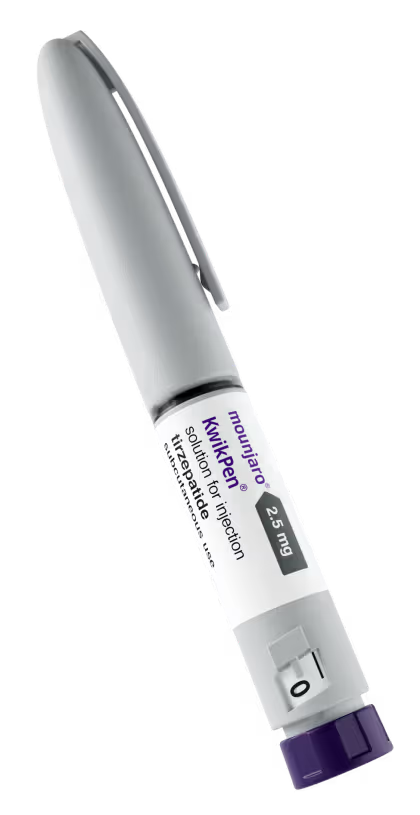
Follow dosing instructions: Your prescriber will start you on the lowest Mounjaro dose (2.5mg) and increase gradually every four weeks. This titration schedule helps reduce side effect risk.
Stay hydrated: Adequate fluid intake supports overall digestive health and may help prevent gallstone formation.
When to seek immediate help#
Pancreatitis requires urgent medical attention. Contact emergency services (999) or get to A&E immediately if you experience:
- Severe, persistent abdominal pain
- Pain that radiates to your back
- High fever with abdominal pain
- Persistent vomiting that prevents you keeping fluids down
- Signs of dehydration or shock
Don't wait to see if symptoms improve - early treatment can prevent serious complications.
Treatment and recovery#
If you develop pancreatitis while taking Mounjaro, you'll need to stop the medication immediately and likely require hospital treatment. Most people with acute pancreatitis start feeling better within a week with proper medical care.
Treatment typically involves:
- IV fluids to prevent dehydration
- Pain management
- Nutritional support
- Monitoring for complications
Whether you can restart Mounjaro after pancreatitis depends on the underlying cause and your individual risk factors. Your healthcare team will assess this carefully.
Got questions? Speak to a pharmacist on WhatsApp now
Prefer to browse first? View treatments
Getting support from Totiva#
As a GPhC-registered online pharmacy, Totiva provides ongoing support throughout your weight loss journey. Our clinical team monitors for side effects and can adjust your treatment plan if needed.
If you're experiencing any concerning symptoms while taking Mounjaro, don't hesitate to reach out. Early intervention can prevent minor issues from becoming serious problems.
Remember, while pancreatitis is a serious potential side effect, it remains rare. The benefits of achieving significant weight loss - reducing diabetes risk, improving heart health, and enhancing quality of life - typically outweigh the risks for most people.
If you're considering Mounjaro for weight loss, speak with our clinical team about your individual risk factors and how we can support you safely through treatment.
Medical Information: This article is for informational purposes only and does not constitute medical advice. Always consult a qualified healthcare professional before starting, stopping, or changing any treatment.