Mounjaro and Numbness: Understanding the Connection
Experiencing numbness while taking Mounjaro? Learn what causes it, when to worry, and how to manage neurological symptoms during tirzepatide treatment.
Written and medically reviewed by:

Key Takeaways
Mounjaro doesn't directly cause numbness, but patients may experience it due to existing diabetic nerve damage, vitamin B12 deficiency, or rapid blood sugar changes. Most causes are treatable with proper medical assessment.
Mounjaro and Numbness: Understanding the Connection#
Mounjaro (tirzepatide) doesn't directly cause numbness according to UK clinical data, but patients may experience these symptoms for other reasons during treatment. The most common causes include existing diabetic nerve damage, rapid blood sugar changes, or vitamin deficiencies - particularly B12 deficiency in those also taking metformin.
What Is Mounjaro and How Does It Work?#
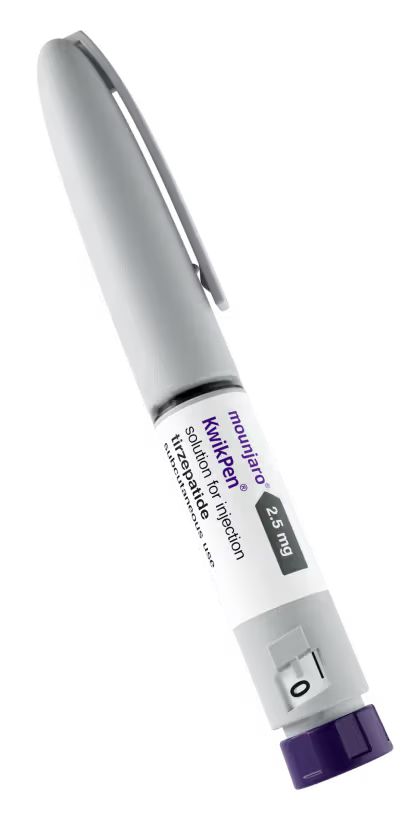
Mounjaro is a prescription medication licensed in the UK for type 2 diabetes and weight management. It works by mimicking two natural hormones - GLP-1 and GIP - which help control blood sugar levels and reduce appetite. Unlike single-action diabetes medications, this dual approach makes tirzepatide particularly effective for both glucose control and weight loss.
The medication is given as a weekly injection, starting at 2.5mg and potentially increasing to 15mg based on your response and tolerance. Most patients see significant improvements in their HbA1c levels and substantial weight loss within the first few months of treatment.
The Official Side Effect Profile#
According to the MHRA Summary of Product Characteristics, Mounjaro's most common side effects affect your digestive system:
- Nausea and vomiting - particularly during the first few weeks
- Diarrhoea or constipation - affecting around 20-30% of patients
- Abdominal pain - usually mild to moderate
- Reduced appetite - which is actually part of how the medication works
- Injection site reactions - redness, swelling, or itching
Notably absent from this list? Numbness or tingling sensations. The SURPASS clinical trials, which included over 13,000 participants, didn't identify peripheral neuropathy as a significant side effect of tirzepatide.
Why Some Patients Experience Numbness#
So if Mounjaro doesn't directly cause numbness, why do some patients report these symptoms? Several factors could be at play:
Existing Diabetic Neuropathy#
Many people prescribed Mounjaro have had diabetes for years. Diabetic peripheral neuropathy affects up to 50% of people with diabetes and often progresses gradually. The timing of starting Mounjaro might simply coincide with worsening nerve damage that was already developing.
Diabetic neuropathy typically starts in your feet and hands, causing numbness, tingling, or burning sensations. It's more likely if you've had diabetes for over 10 years, have had poor blood sugar control, or have other complications like kidney or eye problems.
Rapid Glucose Changes#
When Mounjaro dramatically improves your blood sugar control - which it often does - your nerves might temporarily struggle to adapt. This phenomenon, called "treatment-induced neuropathy," can actually make neuropathy symptoms worse initially, even though better glucose control will help your nerves in the long run.
This paradoxical effect typically improves within 12-18 months as your metabolism stabilises at its new, healthier baseline.
Vitamin B12 Deficiency#
This is particularly important if you're taking metformin alongside Mounjaro. Metformin can reduce B12 absorption over time, and B12 deficiency causes peripheral neuropathy with symptoms identical to diabetic nerve damage.
The reduced appetite from Mounjaro might compound this issue if you're eating less B12-rich foods like meat, fish, or fortified cereals. B12 deficiency develops slowly but can cause irreversible nerve damage if left untreated.
Other Nutritional Factors#
Persistent nausea or significantly reduced food intake might affect your intake of other nerve-supporting nutrients like folate, thiamine (B1), or magnesium. While less common than B12 deficiency, these can contribute to neurological symptoms.
When to Seek Medical Help#
Not all numbness requires immediate attention, but certain symptoms warrant prompt medical assessment:
See Your GP Within a Week If:#
- New numbness affecting your hands or feet
- Progressive symptoms that are getting worse
- Numbness accompanied by weakness or pain
- Balance problems or difficulty walking
- Both sides of your body are affected symmetrically
Seek Urgent Care If:#
- Sudden numbness affecting one side of your body (potential stroke - call 999)
- Numbness with facial drooping, speech problems, or vision changes (call 999)
- Severe weakness where you can't move affected limbs
- Loss of bladder or bowel control
- Any foot wounds, infections, or colour changes with numbness
Remember, if you have diabetes and develop any foot problems, even seemingly minor ones, these need same-day medical assessment due to the risk of serious complications.
Getting the Right Diagnosis#
Your healthcare provider will need to determine what's causing your numbness. This typically involves:
Clinical Assessment#
A thorough examination of your reflexes, sensation, and muscle strength. Your doctor will test different types of sensation - light touch, vibration, temperature, and position sense - to understand which nerves are affected.
Blood Tests#
These usually include:
- HbA1c - to check your recent diabetes control
- Vitamin B12 and folate - to identify deficiencies
- Thyroid function - as hypothyroidism can cause neuropathy
- Kidney function - to rule out uraemic neuropathy
- Full blood count - to check for anaemia or other issues
Specialist Referral#
If your symptoms are severe, atypical, or don't improve with initial treatment, your GP might refer you to a neurologist for nerve conduction studies or other specialised tests.
Got questions? Speak to a pharmacist on WhatsApp now
Prefer to browse first? View treatments
Treatment and Management Strategies#
Treatment depends entirely on what's causing your numbness:
For Vitamin Deficiencies#
B12 deficiency typically requires either high-dose oral supplements (1000-2000 micrograms daily) or intramuscular injections, depending on severity. If you're taking metformin long-term, annual B12 monitoring is recommended.
For Diabetic Neuropathy#
NICE guidelines emphasise that optimising blood glucose control is the most important intervention for preventing further nerve damage. For painful symptoms, duloxetine is usually tried first, with alternatives including amitriptyline, gabapentin, or pregabalin if duloxetine isn't suitable.
For Treatment-Induced Neuropathy#
This typically improves spontaneously over 12-18 months as your body adjusts to better glucose control. Maintaining stable blood sugar levels helps prevent further episodes.
Managing Mounjaro While Investigating Numbness#
Don't stop taking Mounjaro without medical advice. The benefits for your diabetes and weight management are likely significant, and stopping abruptly could destabilise your blood sugar control.
Your doctor can determine whether the medication needs adjusting while investigating your symptoms. In most cases, continuing Mounjaro while addressing the underlying cause of numbness is the best approach.
Preventing Complications#
If you have any degree of numbness in your feet, foot care becomes crucial:
- Check your feet daily for cuts, blisters, or changes in colour
- Wear properly fitted shoes and avoid walking barefoot
- Keep your feet clean and moisturised (but avoid between the toes)
- Trim toenails carefully or have a podiatrist do it
- Test water temperature with your elbow, not your feet
- Attend regular podiatry appointments if available through your diabetes service
Ready to see if treatment could work for you?
The Role of Totiva in Your Care#
As a GPhC-registered online pharmacy, Totiva can support you with medication management and advice, but any new neurological symptoms need assessment by your prescribing doctor or diabetes specialist. We can help with understanding your medications, managing side effects, and ensuring you're getting the most from your treatment.
Long-term Outlook#
The prognosis for numbness during Mounjaro treatment depends on the underlying cause:
- Vitamin deficiencies - Usually improve completely with appropriate supplementation
- Treatment-induced neuropathy - Typically resolves within 12-18 months
- Established diabetic neuropathy - May stabilise or improve slightly with better glucose control, but existing damage is usually permanent
The key is identifying the cause early and starting appropriate treatment. With Mounjaro helping to achieve better diabetes control and weight loss, many patients find their overall health improves significantly despite temporary neurological symptoms.
Key Takeaways#
Mounjaro itself doesn't cause numbness, but the medication journey can involve various factors that might trigger these symptoms. Most causes are treatable, particularly vitamin deficiencies and rapid metabolic changes. The important thing is getting proper medical assessment rather than assuming the medication is to blame.
Your diabetes control and weight management are crucial for long-term health, so work with your healthcare team to identify and address any numbness while continuing the treatments that are helping your overall condition.
Medical Information: This article is for informational purposes only and does not constitute medical advice. Always consult a qualified healthcare professional before starting, stopping, or changing any treatment.