Mounjaro After Gallbladder Removal: Is It Safe?
Can you take Mounjaro after gallbladder surgery? Get clear medical guidance on safety, side effects, and what to expect from your prescription.
Written and medically reviewed by:

Key Takeaways
Mounjaro is safe after gallbladder removal, but you may experience different digestive side effects. Start with the lowest dose and work with your doctor to adjust.
Can You Take Mounjaro After Gallbladder Removal?#
Yes, Mounjaro (tirzepatide) can be taken safely after gallbladder removal. There's no absolute medical reason why you can't use this diabetes medication following cholecystectomy surgery. However, your digestive system works differently without a gallbladder, which means you might experience Mounjaro's side effects in a slightly different way.
After gallbladder removal, bile flows continuously from your liver into your small intestine rather than being stored and released when you eat. This change affects how your body digests fats and may influence how well you tolerate medications that affect your digestive system.
How Gallbladder Removal Changes Your Digestion#
Your gallbladder normally stores bile - a substance your liver makes to help digest fats. When you eat, especially fatty foods, your gallbladder squeezes this bile into your small intestine at just the right moment.
Without a gallbladder, bile drips continuously into your intestine. This means:
- You might struggle more with fatty or greasy foods
- Some people develop loose stools or diarrhoea
- Your digestive timing changes completely
- About 10-15% of people develop bile acid diarrhoea after surgery
These changes don't stop you from taking Mounjaro, but they do mean your doctor needs to consider your individual digestive health when prescribing it.
How Mounjaro Affects Your Digestive System#
Mounjaro works by mimicking hormones called GLP-1 and GIP. These hormones slow down how quickly food moves through your stomach - a process called gastric emptying. This is actually one reason why Mounjaro helps with weight loss and blood sugar control.
The main digestive effects include:
- Slower stomach emptying - food stays in your stomach longer
- Reduced appetite - you feel full sooner and for longer
- Changed absorption - some medications might be absorbed differently
For most people, these effects are manageable and often improve after the first few weeks. If you've had your gallbladder removed, you might notice these effects more because your digestive system is already working differently.
Common Side Effects and What's Different Without a Gallbladder#
The most common Mounjaro side effects affect your digestive system:
- Nausea (affects about 15-20% of people)
- Diarrhoea
- Vomiting
- Constipation
- Stomach pain
- Loss of appetite
If you've had gallbladder surgery, you might wonder if these side effects will be worse. The research doesn't show a clear increase in side effects for people without gallbladders, but some patients do report:
- More noticeable digestive changes during the first few weeks
- Greater sensitivity to fatty foods when combined with Mounjaro's effects
- Different patterns of bowel movements as your system adjusts
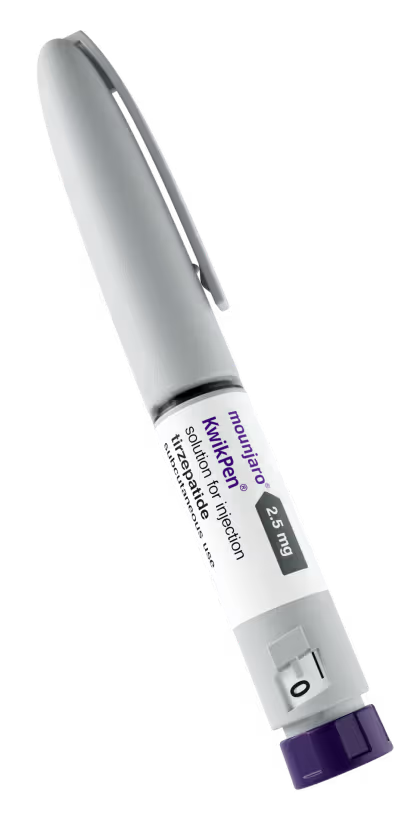
Most side effects are temporary and improve as your body gets used to the medication. Starting with the lowest dose (2.5mg weekly) and increasing gradually helps minimise problems.
Medical Guidance for Post-Surgery Patients#
Starting Treatment Safely#
The standard approach involves:
- Starting low: 2.5mg weekly for 4 weeks
- Increasing gradually: Up to 5mg, then potentially 7.5mg, 10mg, or 15mg
- Monitoring closely: Regular check-ups to assess tolerance
- Adjusting other medications: Reducing insulin or sulfonylureas if needed
This gradual approach is particularly important if you've had digestive issues since your gallbladder surgery.
Managing Digestive Symptoms Effectively#
Dietary Strategies#
Without a gallbladder, certain dietary approaches work well with Mounjaro:
Smaller, frequent meals work better than large portions. Your stomach empties more slowly on Mounjaro, so smaller amounts reduce nausea and bloating.
Lower fat intake helps both conditions. Since you don't have stored bile for fat digestion, and Mounjaro can increase sensitivity to fatty foods, keeping fat moderate (around 20-30% of calories) often works well.
Timing matters - try to eat at regular times. This helps your system develop a predictable rhythm.
Foods That Often Work Well#
- Lean proteins (chicken, fish, tofu)
- Well-cooked vegetables
- Whole grains in moderate portions
- Low-fat dairy or alternatives
- Plenty of water throughout the day
Foods to Approach Carefully#
- Very fatty or greasy foods
- Large meals
- Spicy foods (if you're sensitive)
- High-fibre foods in large amounts initially
Got questions? Speak to a pharmacist on WhatsApp now
Prefer to browse first? View treatments
When to Seek Medical Help#
Contact your doctor or Totiva's clinical team if you experience:
Severe symptoms:
- Persistent vomiting that prevents keeping fluids down
- Severe abdominal pain, especially if it radiates to your back
- Signs of dehydration (dizziness, dark urine, extreme thirst)
- Any symptoms of pancreatitis
Ongoing issues:
- Digestive problems that don't improve after 4-6 weeks
- Significant changes in bowel habits
- Difficulty maintaining nutrition
- Blood sugar levels that are hard to control
Remember, having your gallbladder removed doesn't mean you can't benefit from effective diabetes treatment. Most people manage very well with appropriate support and monitoring.
Drug Interactions and Special Considerations#
Mounjaro can affect how quickly your body absorbs other medications. This is particularly important for:
Oral contraceptives: Use additional contraception for 4 weeks after starting Mounjaro and after each dose increase.
Diabetes medications: Your doctor may need to reduce insulin or sulfonylurea doses to prevent low blood sugar.
Other oral medications: Take them at least one hour before your Mounjaro injection when possible.
If you're taking bile acid sequestrants (like cholestyramine) for post-surgery digestive issues, discuss timing with your doctor - these can affect how well other medications work.
Long-term Outlook#
Most people who take Mounjaro after gallbladder removal do well long-term. The initial adjustment period typically lasts 4-8 weeks, after which digestive side effects usually settle.
Key success factors include:
- Working closely with your healthcare team
- Making appropriate dietary adjustments
- Monitoring your blood sugar regularly
- Staying well-hydrated
- Reporting any concerning symptoms promptly
Many patients find that the blood sugar and weight benefits of Mounjaro outweigh the temporary digestive adjustments, especially when they have good medical support and clear dietary guidance.
If you're considering Mounjaro after gallbladder surgery, discuss your individual situation with a qualified healthcare provider who can assess whether it's right for your circumstances.
Medical Information: This article is for informational purposes only and does not constitute medical advice. Always consult a qualified healthcare professional before starting, stopping, or changing any treatment.