Mounjaro trapped wind: practical ways to ease bloating and digestive discomfort
Experiencing trapped wind on Mounjaro? You're not alone. Learn why it happens and discover simple, effective ways to ease digestive discomfort.
Written and medically reviewed by:

Key Takeaways
Mounjaro commonly causes trapped wind because it slows digestion, leading to increased gas production. Most symptoms improve within 2-4 weeks and can be managed with smaller meals, gentle exercise, and natural remedies like peppermint tea.
Trapped wind and bloating are among the most common digestive issues people experience when taking Mounjaro (tirzepatide). If you're dealing with uncomfortable gas, abdominal distension, or that heavy, sluggish feeling after meals, you're certainly not alone – these symptoms affect many people during their first few weeks on the medication.
The good news is that trapped wind from Mounjaro is usually temporary and manageable with the right approach. Understanding why it happens and having practical strategies to address it can make your weight loss journey much more comfortable.
Why does Mounjaro cause trapped wind?#
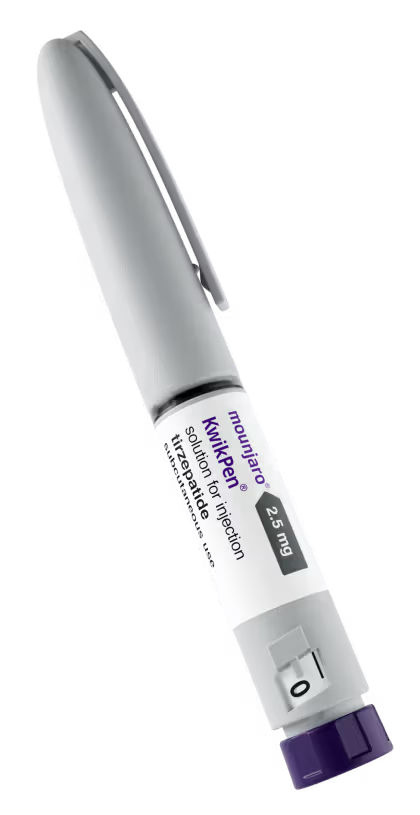
Mounjaro contains tirzepatide, a medication that works by mimicking two important hormones: GLP-1 and GIP. These hormones naturally slow gastric emptying – the rate at which food moves from your stomach into your small intestine. This slower digestion is actually part of how Mounjaro helps with weight loss, as it keeps you feeling fuller for longer.
However, when food sits in your digestive system longer than usual, it provides more time for bacteria in your gut to ferment it, producing gas as a natural byproduct. This increased gas production, combined with slower movement through your intestines, leads to the trapped wind sensation many people experience.
The effect is typically most pronounced during your first few weeks on Mounjaro, or when your dose is increased. Your digestive system needs time to adapt to the medication's effects, and most people find their symptoms gradually improve as their body adjusts.
When trapped wind becomes concerning#
While trapped wind is generally harmless, certain symptoms warrant medical attention. Contact your GP or prescribing healthcare provider if you experience:
- Severe, persistent abdominal pain that doesn't improve with movement or gas relief techniques
- Blood in your stool
- Sudden onset of severe constipation lasting more than a week
- Fever alongside digestive symptoms
- Signs of severe dehydration from vomiting or diarrhoea
- Symptoms of pancreatitis (severe upper abdominal pain radiating to your back, nausea, vomiting)
These could indicate more serious complications that require professional medical assessment.
Dietary strategies to reduce trapped wind#
What you eat – and how you eat it – plays a crucial role in managing digestive discomfort on Mounjaro.
Choose gut-friendly foods#
Focus on foods that are easier for your slowed digestive system to process:
Lean proteins such as chicken breast, white fish, tofu, and eggs are generally well-tolerated and less likely to cause gas than fatty meats.
Low-fibre vegetables including carrots, courgettes, spinach, and well-cooked potatoes are gentler on your system than raw, cruciferous vegetables.
Simple carbohydrates like white rice, sourdough bread, and oats can be easier to digest than whole grains initially.
Probiotic foods such as natural yoghurt, kefir, and small amounts of fermented vegetables may help support healthy gut bacteria.
Foods to temporarily limit#
While your digestive system adjusts to Mounjaro, consider reducing:
Gas-producing vegetables including Brussels sprouts, cabbage, broccoli, cauliflower, and onions. These contain compounds that bacteria readily ferment.
Beans and legumes are notorious for causing gas due to their complex sugars that our digestive enzymes struggle to break down completely.
Carbonated drinks introduce additional gas directly into your system.
High-fat foods slow digestion further, potentially worsening symptoms.
Artificial sweeteners particularly sorbitol, mannitol, and other sugar alcohols found in sugar-free products can cause digestive upset.
Eating techniques that help#
How you eat matters as much as what you eat:
Eat smaller, more frequent meals rather than three large ones. This reduces the workload on your already-slowed digestive system.
Chew thoroughly and eat slowly. This reduces the amount of air you swallow and helps your digestive system process food more efficiently.
Stay upright after eating. Avoid lying down for at least two hours after meals to help gravity assist digestion.
Physical remedies for immediate relief#
When trapped wind strikes, several techniques can provide relatively quick relief:
Movement and exercise#
Gentle movement encourages gas to move through your digestive system naturally. A 10-15 minute walk after meals can be particularly effective. If you're experiencing acute discomfort, try these specific positions:
Knee-to-chest pose: Lying on your back, bring one knee towards your chest, hold for 30 seconds, then switch sides.
Child's pose: Kneel on the floor, sit back on your heels, then fold forward with your arms extended.
Gentle twisting: While seated, place your right hand on your left knee and gently twist your torso to the left, then repeat on the other side.
Abdominal massage#
Massaging your abdomen can help move trapped gas along your intestinal tract. Use gentle, circular motions starting from your right lower abdomen, moving up towards your ribs, across to the left, and down – following the natural path of your large intestine.
Heat therapy#
Applying gentle heat to your abdomen can help relax intestinal muscles and ease discomfort. A hot water bottle, heating pad on a low setting, or even a warm bath can provide relief.
Natural remedies and supplements#
Several natural options may help ease trapped wind:
Peppermint#
Peppermint contains compounds that can help relax the smooth muscles of your digestive tract. Peppermint tea is the gentlest option – drink it warm about 30 minutes after meals. Peppermint oil capsules are available from pharmacies but should be used cautiously as they can worsen heartburn in some people.
Ginger#
Ginger has natural anti-inflammatory properties and may help stimulate digestion. Fresh ginger tea or small amounts of crystallised ginger can be helpful.
Fennel seeds#
Chewing a teaspoon of fennel seeds after meals or drinking fennel tea may help reduce gas production and ease bloating.
Probiotics#
A high-quality probiotic supplement may help restore balance to your gut bacteria, potentially reducing gas production over time. Look for products containing multiple strains of beneficial bacteria.
Over-the-counter medications#
When natural remedies aren't sufficient, several pharmacy medications can help:
Simethicone#
Simethicone (found in products like Wind-Eze) helps break up gas bubbles in your digestive tract, making them easier to pass. It's generally safe to use alongside Mounjaro but check with your pharmacist first.
Charcoal tablets#
Activated charcoal may help absorb excess gas, though evidence for its effectiveness is limited. It can interact with other medications, so timing is important if you take other prescriptions.
Digestive enzymes#
Supplements containing alpha-galactosidase (such as Beano) can help break down complex carbohydrates that commonly cause gas. Take them with your first bite of food for best results.
Got questions? Speak to a pharmacist on WhatsApp now
Prefer to browse first? View treatments
Timeline: when will symptoms improve?#
Most people notice their digestive side effects from Mounjaro begin to improve within 2-4 weeks of starting treatment or increasing their dose. However, everyone's timeline is different:
Week 1-2: Symptoms are typically at their worst as your body begins adjusting to the medication.
Week 3-4: You should start noticing some improvement, though symptoms may still occur occasionally.
Week 5-8: Most people find their digestive symptoms have significantly improved by this point.
Beyond 8 weeks: Persistent, troublesome symptoms after two months may warrant discussing dose adjustment or additional management strategies with your healthcare provider.
Lifestyle factors that influence digestive comfort#
Stress management#
Stress directly affects digestion through the gut-brain connection. High stress levels can slow digestion further and increase sensitivity to digestive discomfort. Consider incorporating stress-reduction techniques like meditation, gentle yoga, or regular walks in nature.
Sleep quality#
Poor sleep can disrupt the hormones that regulate digestion and increase inflammation in your gut. Aim for 7-9 hours of quality sleep per night and maintain consistent sleep-wake times.
Hydration#
Proper hydration supports healthy digestion and can help prevent constipation, which worsens trapped wind. Aim for at least 8 glasses of water daily, and consider warm drinks like herbal teas which may be more soothing for your digestive system.
Keeping a symptom diary#
Tracking your symptoms can help identify patterns and triggers. Note:
- What you ate and when
- Severity and timing of symptoms
- What remedies you tried and how effective they were
- Your stress levels and sleep quality
- Any other medications or supplements taken
This information can be invaluable when discussing your experience with healthcare providers.
Ready to see if treatment could work for you?
Working with healthcare professionals#
If you're struggling with persistent or severe digestive symptoms, don't suffer in silence. Your prescribing healthcare provider can offer personalised advice and may suggest:
- Temporary dose reduction to allow better tolerance
- Additional medications to manage symptoms
- Referral to a gastroenterologist if symptoms are severe
- Nutritional counselling to optimise your diet
At Totiva, our pharmacist-led consultations can provide personalised guidance on managing Mounjaro side effects alongside your weight loss journey. Our team understands the challenges of adjusting to new medications and can offer practical strategies tailored to your specific situation. If you're considering weight loss treatment or need support managing your current prescription, starting a consultation with our qualified pharmacists can help ensure you get the most from your treatment while minimising discomfort.
Looking ahead: staying comfortable on your weight loss journey#
Remember that experiencing trapped wind on Mounjaro doesn't mean the medication isn't working or that you need to stop treatment. These digestive symptoms are a common part of the adjustment period and typically resolve with time and the right management strategies.
Focus on the strategies that work best for you – whether that's adjusting your meal timing, incorporating gentle movement after eating, or using specific natural remedies. Most importantly, stay patient with yourself as your body adapts to this powerful weight loss tool.
With the right approach and professional support when needed, you can successfully manage digestive side effects while achieving your weight loss goals.
Medical Information: This article is for informational purposes only and does not constitute medical advice. Always consult a qualified healthcare professional before starting, stopping, or changing any treatment.