Why Mounjaro Makes You Feel Cold and What to Do About It
Feeling cold on Mounjaro is more common than the official leaflet suggests. Here's why it happens, how long it lasts, and how to manage it.
Written by:

Medically reviewed by Chris Armstrong, MPharm
Key Takeaways
Feeling cold on Mounjaro is common but not listed in the official leaflet. It's caused by fat loss, reduced calorie intake, and lower muscle mass. Usually temporary, it improves as your body adapts — but persistent or severe coldness warrants a blood test.
Feeling cold on Mounjaro is one of those side effects that catches people off guard, it's not listed in the official patient information leaflet, yet it's one of the most commonly discussed experiences in UK Mounjaro user communities. If you've started tirzepatide and suddenly find yourself wrapped in an extra jumper in a warm room, reaching for a hot water bottle in July, or waking up shivering at 3am, you're not imagining it.
This isn't a sign the medication isn't working, in many ways, it suggests it is working. But understanding why it happens, and knowing when it warrants a conversation with a healthcare professional, makes a real difference to how you manage it.
What's Actually Going On#
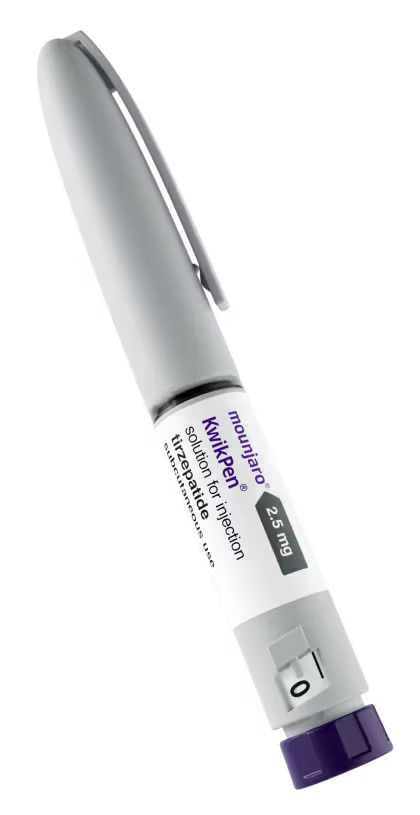
Mounjaro (tirzepatide) works by mimicking two gut hormones, GLP-1 and GIP, to suppress appetite, slow digestion, and help regulate blood sugar. It's this dual-hormone action that makes it particularly effective for weight loss, and you can read more about how it works on our Mounjaro treatment page.
But the same mechanisms that drive fat loss also affect how your body generates and retains heat. There are four main reasons this happens:
Fat loss removes your insulation#
Body fat isn't just stored energy, it's also a physical thermal buffer. As you lose fat, particularly from areas like your abdomen, thighs, and upper arms, you lose some of that natural insulation. The result is that environmental cold feels more intense. Many people notice this most in their hands, feet, and face, where blood flow is already reduced when the body prioritises core temperature.
Reduced calorie intake means less metabolic heat#
Your body generates heat as a byproduct of metabolising food. On Mounjaro, most people eat significantly less, not because they're forcing restriction, but because the medication substantially blunts appetite. Fewer calories in means less metabolic heat generated. This effect is most pronounced in the early weeks of treatment and during dose escalations, when appetite suppression tends to be strongest.
Muscle mass and thermogenesis#
Muscle tissue is metabolically active, it generates heat at rest. Rapid weight loss, particularly without adequate protein intake or resistance exercise, can lead to some loss of lean muscle mass alongside fat. Less muscle means your baseline heat production drops. This is one of the more overlooked reasons why strength training and protein targets matter so much during GLP-1 treatment, not just for aesthetics or strength, but for basic thermoregulation.
Aiming for around 1.2–1.6g of protein per kilogram of body weight per day, and incorporating resistance exercise two to three times per week, can meaningfully reduce the degree of muscle loss and with it, some of the cold sensitivity.
Thyroid function and hormonal shifts#
This is where it gets slightly more complex. Weight loss itself, regardless of the method, can influence thyroid hormone levels. Thyroid hormones are central to regulating basal metabolic rate, which is essentially how much heat your body generates at rest. Some studies suggest that significant caloric restriction can cause a modest reduction in active thyroid hormone (T3), even without any underlying thyroid condition.
This is usually a transient adaptation rather than a sign of thyroid disease, but it's worth knowing about. If the cold feeling is severe, persistent, or accompanied by fatigue, constipation, hair thinning, or low mood, it's worth asking your GP to check your TSH and T3 levels — not because Mounjaro directly causes thyroid problems, but because distinguishing a medication side effect from an underlying condition matters.
Does the Cold Feeling Mean Mounjaro Is Working?#
In a sense, yes. If you're feeling cold because you've lost meaningful amounts of body fat and you're eating at a significant caloric deficit, those are signs the treatment is doing its job. Some people find it helpful to reframe the cold sensitivity as a physical signal that their metabolism is shifting.
That said, feeling cold shouldn't be debilitating. If it's genuinely affecting your quality of life, disrupting sleep, making concentration difficult, or making you feel unwell, that warrants attention rather than just acceptance.
How Long Does It Last?#
This is probably the question most people want answered, and it's one the competitor content tends to skip over.
For most people, the cold sensitivity is worst during and shortly after each dose escalation. Mounjaro is typically started at 2.5mg weekly, with increases to 5mg, 7.5mg, 10mg, 12.5mg, and 15mg at four-week intervals. Each step up usually brings a fresh wave of appetite suppression and with it, reduced caloric intake and an associated dip in metabolic heat.
As your body adapts to each dose level, usually over two to four weeks, the cold feeling tends to ease. If you're consistently cold throughout a full four-week period at a given dose, that's worth flagging rather than pushing ahead to the next escalation.
Over the longer term, once you've reached a stable dose and your weight loss has plateaued somewhat, most people find the cold sensitivity reduces as their body adjusts to its new weight and metabolic state.
Night Sweats vs Cold Chills: Not the Same Thing#
It's worth clarifying something that causes a lot of confusion in online discussions: night sweats and cold chills are different experiences, and they can both occur during GLP-1 treatment.
Cold chills; feeling cold, needing extra blankets, shivering, are linked to the mechanisms above. Night sweats, where you wake up damp and overheated, are less clearly explained by tirzepatide specifically, though they're reported anecdotally and may relate to hormonal fluctuations, particularly in women going through perimenopause or those with disrupted menstrual cycles. If you're experiencing both, or if the night sweats are significant, that's definitely worth discussing with your GP rather than attributing it solely to the medication.
Who Tends to Feel It More?#
Cold sensitivity on Mounjaro doesn't affect everyone equally. A few factors seem to increase the likelihood:
- Faster weight loss: The more rapidly you lose fat, the more pronounced the thermal insulation effect. People losing more than 1% of body weight per week are more likely to notice this.
- Lower starting BMI: Counterintuitively, people with a lower BMI at the start of treatment have less fat reserve to lose and may feel the thermal effects more quickly.
- Women: Women generally have higher surface-area-to-volume ratios and some hormonal differences that make cold sensitivity more common, and the link to menstrual cycle disruption (which can affect core temperature regulation) may amplify this.
- Winter starts: Starting Mounjaro in autumn or winter means you're already in a cold ambient environment. British winters are cold enough at baseline — layer up accordingly.
- Pre-existing conditions: Raynaud's phenomenon, anaemia, hypothyroidism, or poor circulation can all amplify cold sensitivity. If any of these apply to you, let your prescribing pharmacist or GP know before starting treatment.
Got questions? Speak to a pharmacist on WhatsApp now
Prefer to browse first? View treatments
Practical Ways to Manage It#
Eat regularly, even when you're not hungry#
This is probably the single most effective intervention. Mounjaro can suppress appetite to the point where people skip meals entirely, which feels fine in the moment but worsens the metabolic heat deficit. Aim for three small meals a day even if portions are modest. Prioritise warming, nutrient-dense foods: porridge, soups, lentil dishes, eggs, full-fat yoghurt. These are all easily available from any UK supermarket and support both warmth and nutrient intake.
Thermal layering works#
Base layers, particularly merino wool or thermal cotton, make a genuine difference. This sounds obvious, but many people underestimate how much of the cold feeling is peripheral rather than core. Warm socks, wrist warmers at a desk, and a decent dressing gown in the evenings are low-effort ways to stay comfortable.
Check your bloods#
If the cold feeling is persistent or accompanied by fatigue, ask your GP for a blood test covering: TSH (thyroid), full blood count (to screen for anaemia), ferritin (iron stores), and B12. Iron deficiency anaemia reduces your blood's oxygen-carrying capacity and worsens cold extremities significantly — and it can develop or worsen during periods of reduced dietary intake. Your GP can refer you via the NHS, or private testing is available if you'd prefer faster results.
Gentle movement helps more than you'd expect#
You don't need to do anything strenuous. A 20-minute walk generates enough muscular heat to raise core temperature meaningfully and improve circulation. Yoga and stretching also help. The goal isn't calorie burning — it's activating the muscle tissue you have.
Don't rush dose escalation#
The NICE-approved escalation schedule for Mounjaro allows for flexibility — you don't have to increase the dose every four weeks if you're not tolerating the current one well. Staying at 5mg or 7.5mg for an extra month while your body adjusts is entirely reasonable. If you're prescribing through an online consultation service, flag the cold sensitivity before your next escalation review.
Consider your dose timing#
Some people find that taking their weekly injection on a Friday means the peak appetite suppression hits over the weekend, when they're more able to rest and eat flexibly. If you're injecting mid-week and struggling to eat enough during busy work days, adjusting the day of injection can make a practical difference.
Mounjaro vs Ozempic: Is the Cold Feeling Different?#
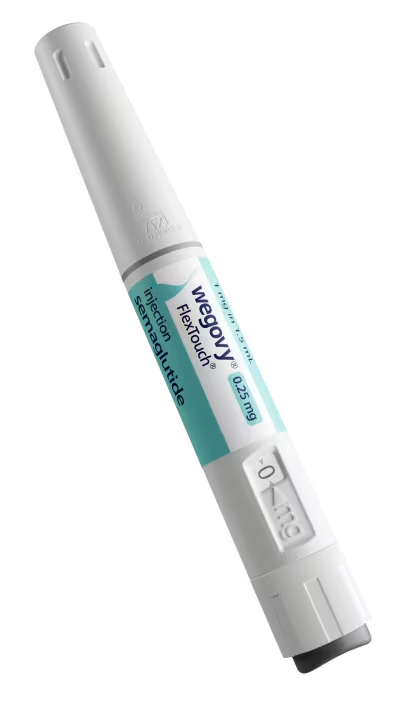
Both tirzepatide (Mounjaro) and semaglutide (Ozempic, Wegovy) reduce appetite and promote weight loss through GLP-1 receptor agonism. Cold sensitivity is reported with both, often referred to as "Ozempic chills" in US-based communities.
The key difference is that Mounjaro also targets GIP receptors, which plays an additional role in energy expenditure and fat storage. Some users report that the cold sensitivity feels more pronounced on Mounjaro, particularly at higher doses — though individual variation is significant, and there's no head-to-head clinical data specifically comparing thermoregulatory effects between the two.
If you're considering switching from one to the other, or comparing your options, it's worth having a full conversation about your symptoms. Totiva's weight loss service covers both semaglutide and tirzepatide treatments, with pharmacist-led consultations that can help you make an informed decision.
When to Actually Seek Medical Advice#
Feeling mildly chilly is one thing. The following warrant a proper clinical review:
- You feel persistently cold even when dressed warmly indoors
- Cold sensitivity is accompanied by fatigue, dizziness, or shortness of breath
- You have pale or bluish extremities that don't warm up normally
- You're experiencing hair loss, constipation, or unusual weight changes beyond what the medication explains
- Your periods have stopped or become very irregular (beyond what was present before starting)
- You're eating very little — under 800 calories a day — and feeling unwell
Any of these could indicate something that needs investigation: anaemia, hypothyroidism, or an energy deficit that's gone beyond what's safely sustainable.
It's also worth knowing that in the UK, unexpected or unlisted side effects can be reported via the MHRA's Yellow Card scheme at yellowcard.mhra.gov.uk. Feeling cold isn't currently listed in Mounjaro's official prescribing information — if more patients report it formally, that data contributes to pharmacovigilance and potentially updates the official guidance.
Ready to see if treatment could work for you?
A Note on Getting Support#
If you started Mounjaro through a private prescription and don't have regular follow-up built in, it can feel like you're managing these experiences alone. You shouldn't have to be. A good prescribing service will check in around dose escalations, review your symptoms, and help you adjust your plan if something isn't working for you.
If you'd like pharmacist-led support with your weight loss treatment — whether you're just starting out or already on Mounjaro and navigating side effects — Totiva's online consultation service offers exactly that, with GPhC-registered pharmacists who understand the nuances of GLP-1 therapy beyond what the patient leaflet covers.
Medical Information: This article is for informational purposes only and does not constitute medical advice. Always consult a qualified healthcare professional before starting, stopping, or changing any treatment.