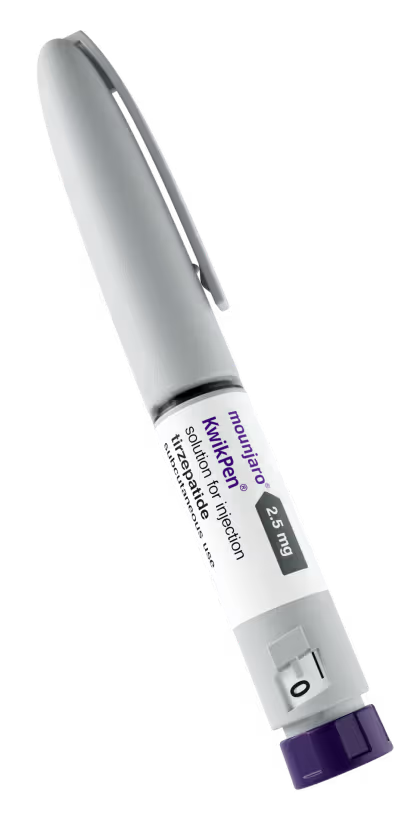
What happens when you stop taking Mounjaro?
Your appetite returns gradually over 4-6 weeks, but most people keep significant weight loss long-term with the right maintenance strategies.
Written and medically reviewed by:

Key Takeaways
Appetite returns over 4-6 weeks when stopping Mounjaro, but most people maintain significant weight loss long-term. Gradual tapering and continuing healthy habits are key to success.
What to expect when stopping Mounjaro#
Stopping Mounjaro doesn't mean automatically regaining all your weight. While your appetite will gradually return over 4-6 weeks as the medication leaves your system, research shows most people maintain substantial weight loss long-term - especially those who continue with healthy eating and regular exercise.
The fear of weight regain after stopping GLP-1 medications is completely understandable. However, the SURMOUNT-4 trial found that participants maintained an average of nearly 10% weight loss a year after discontinuing tirzepatide (Mounjaro's active ingredient), with many keeping at least 80% of their initial progress.
How Mounjaro leaves your system#
Mounjaro has a half-life of approximately 5 days, meaning it takes about 5 weeks for the medication to completely clear from your body. As levels drop, you'll notice changes happening gradually rather than suddenly.
Timeline of changes:
- Week 1-2: Slight increase in appetite may begin
- Week 2-4: Hunger signals become more noticeable
- Week 4-6: Appetite typically returns to pre-treatment levels
- Week 6+: Blood sugar levels stabilise at baseline (if you don't have diabetes)
This gradual transition gives you time to adjust your eating habits and lifestyle strategies to maintain your progress.
Physical changes after stopping#
Appetite and hunger#
Your hunger will return as Mounjaro's effects on GLP-1 and GIP hormone receptors wear off. These hormones normally signal fullness and slow gastric emptying, so expect to feel hungrier between meals and potentially eat larger portions initially.
However, this doesn't mean you're destined to overeat. The healthy eating patterns you've developed while on Mounjaro - like choosing protein-rich foods and eating slowly - will help you manage portion sizes naturally.
Blood sugar changes#
If you don't have diabetes, your blood sugar should return to pre-treatment levels within 4-6 weeks. People with type 2 diabetes may see their HbA1c increase by 1-2% within three months, so it's essential to monitor levels closely with your GP and potentially adjust other diabetes medications.
Digestive improvements#
The good news is that common Mounjaro side effects like nausea, vomiting, and diarrhoea should resolve as the medication clears your system. Many people find their digestion actually feels more comfortable after stopping.

Maintaining your weight loss#
The habits you've built while taking Mounjaro become crucial for long-term success. Research consistently shows that combining dietary changes with regular exercise and behavioural strategies helps preserve weight loss.
Focus on protein and fibre#
Continue prioritising lean proteins (aim for 1.2-1.6g per kg body weight daily) and high-fibre foods. These help maintain satiety without relying on medication. Include foods like:
- Lean meats, fish, eggs, and plant proteins
- Vegetables, legumes, and wholegrains
- Fruits with skin when possible
These foods require more energy to digest and help you feel full longer.
Strength training becomes essential#
Muscle tissue burns more calories at rest than fat tissue. The NHS recommends at least two strength training sessions weekly, focusing on major muscle groups. This helps maintain your metabolic rate even as appetite returns.
Combining resistance training with 150 minutes of moderate-intensity cardio weekly provides the best results for weight maintenance, according to multiple studies.
Monitor your progress differently#
Rather than focusing solely on the scales, track:
- How your clothes fit
- Energy levels throughout the day
- Sleep quality and mood
- Waist circumference measurements
These metrics often provide a more accurate picture of your health than weight alone.
When to consider staying on treatment#
Stopping Mounjaro isn't mandatory once you reach your target weight. NICE guidelines support continued use of GLP-1 medications for weight maintenance in appropriate patients, particularly those with:
- BMI remaining above 30 (or 27 with complications)
- History of significant weight regain after previous attempts
- Continued benefits from treatment
A maintenance dose - often the lowest effective strength - might be more suitable than complete discontinuation. This decision should involve detailed discussion with your prescribing clinician.
How to stop safely#
Never stop Mounjaro abruptly without medical guidance. Your prescriber will typically recommend either:
Gradual tapering: Reducing from your current dose to progressively lower strengths over several weeks
Direct maintenance dose: Moving to the lowest effective dose (often 2.5mg weekly) rather than stopping completely
If you're stopping entirely, dispose of unused pens safely according to the patient information leaflet - never put them in household waste.
Got questions? Speak to a pharmacist on WhatsApp now
Prefer to browse first? View treatments
Getting support through the transition#
Transitioning off Mounjaro can feel daunting, but you don't have to manage alone. At Totiva, we understand this crucial phase and can provide ongoing guidance through our weight management services.
Consider booking follow-up appointments with your prescriber at 4, 8, and 12 weeks after stopping to monitor your progress and adjust strategies as needed. Many people benefit from nutritional counselling or behavioural support during this transition period.
Remember, reaching your weight loss goal while taking Mounjaro represents significant achievement. The lifestyle changes you've made - improved eating habits, regular activity, better sleep patterns - remain your foundation for long-term success, with or without medication.
The medication supported your journey, but the lasting changes come from your own efforts and commitment to healthier living.
Medical Information: This article is for informational purposes only and does not constitute medical advice. Always consult a qualified healthcare professional before starting, stopping, or changing any treatment.