Peptides for Weight Loss: How GLP-1 Medications Work
GLP-1 peptides like semaglutide and tirzepatide can help you lose 15-20% of body weight by mimicking natural hormones that control appetite and blood sugar.
Written and medically reviewed by:

Key Takeaways
GLP-1 peptides like semaglutide and tirzepatide mimic natural hormones to reduce appetite and slow digestion. Clinical trials show 15-20% average weight loss with proper medical supervision.
What Are Weight Loss Peptides?#
Peptides are naturally occurring chains of amino acids that act as messengers in your body. When it comes to weight loss, certain peptides - particularly GLP-1 and GIP receptor agonists - have revolutionised obesity treatment by mimicking hormones that control hunger and blood sugar.
These aren't supplements you can buy online. They're prescription medications that require proper medical supervision and are only available through registered healthcare providers like Totiva.
How GLP-1 Peptides Control Weight#
GLP-1 (glucagon-like peptide-1) is a hormone your intestines naturally release after eating. It tells your brain you're full and slows food movement through your stomach. Weight loss peptides work by mimicking this hormone, but at much higher levels than your body produces naturally.
Here's what happens when you take GLP-1 medications:
- Slower gastric emptying - Food stays in your stomach longer, keeping you fuller
- Reduced appetite - Direct signals to your brain's hunger centres
- Better insulin sensitivity - Your cells use glucose more effectively
- Decreased food cravings - Particularly for high-calorie, processed foods
The Brain Connection#
GLP-1 receptors are found throughout your brain, especially in areas that control appetite and reward. This explains why people often report losing their obsession with food, not just feeling less hungry. It's a neurological change, not just willpower.
Proven Weight Loss Peptides#
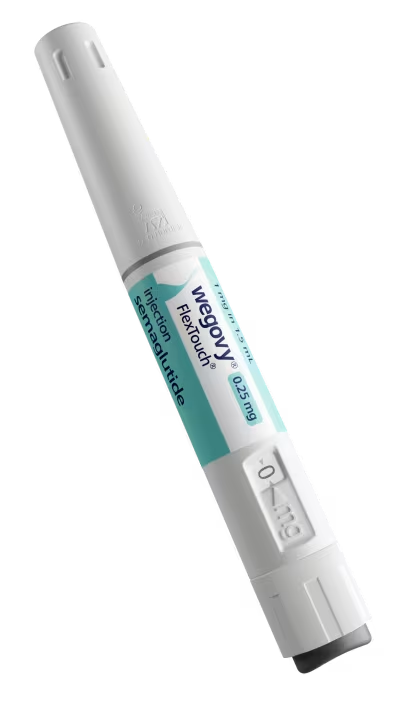
Semaglutide (Wegovy, Ozempic)#
Semaglutide was the first game-changer in peptide weight loss. Clinical trials show average weight loss of 15% of body weight over 68 weeks. In the landmark STEP 1 trial, one-third of participants lost over 20% of their starting weight.
How it works: Weekly injection that mimics GLP-1 with a much longer duration than natural hormones.
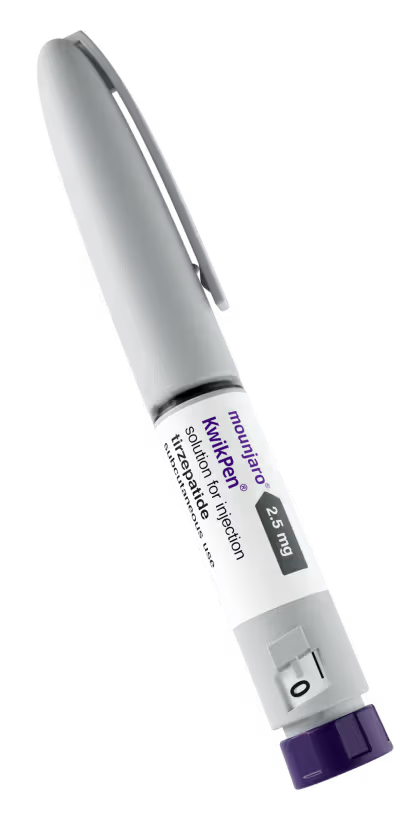
Tirzepatide (Mounjaro)#
Tirzepatide targets both GLP-1 and GIP receptors, making it potentially more effective. The SURMOUNT-1 trial showed average weight loss of 20.9% at the highest dose - the most effective obesity medication ever tested.
Dual action: GIP receptors also control blood sugar and may affect fat metabolism differently than GLP-1 alone.
Liraglutide (Saxenda)#
The earlier daily injection version of GLP-1 therapy. Less convenient than weekly options but still effective, with average weight loss of 8% in clinical trials.
UK Availability and Prescribing#
In the UK, these medications are available through:
- NHS weight management services - Limited availability, strict eligibility criteria
- Private prescribers - Wider access but requires proper medical assessment
- Registered online pharmacies - Must include medical consultation and ongoing monitoring
NICE guidelines recommend GLP-1 medications for people with BMI over 35 (or 32.5 for certain ethnic groups) alongside lifestyle interventions. However, private prescribers may use clinical judgement for lower BMIs with other risk factors.
Side Effects and Management#
Most side effects are gastrointestinal and tend to improve as your body adapts:
Common side effects:
- Nausea (affects 20-50% initially)
- Vomiting
- Diarrhoea or constipation
- Stomach pain
- Fatigue
Managing side effects:
- Start with the lowest dose and increase gradually
- Eat smaller, more frequent meals
- Avoid fatty or spicy foods
- Stay well hydrated
- Take medication at the same time weekly
Serious but rare risks:
- Pancreatitis (severe stomach pain)
- Gallbladder problems
- Kidney issues (usually from dehydration)
- Potential thyroid tumours (seen in animal studies)
Who Shouldn't Use Weight Loss Peptides#
These medications aren't suitable for everyone:
- Personal or family history of thyroid cancer
- Type 1 diabetes
- Severe gastroparesis
- Pregnancy or breastfeeding
- Active eating disorders
- Previous pancreatitis
Got questions? Speak to a pharmacist on WhatsApp now
Prefer to browse first? View treatments
Cost and Long-term Considerations#
Peptide weight loss medications typically cost £150-300 monthly privately. Most people need to continue treatment long-term to maintain weight loss - stopping usually leads to weight regain within 6-12 months.
This isn't a character flaw; it's how these medications work. They don't "cure" obesity but manage it, similar to how blood pressure medications manage hypertension.
Getting Started Safely#
Before starting any peptide weight loss treatment:
- Medical assessment - Full health review including blood tests
- Realistic expectations - Understand this requires lifestyle changes too
- Ongoing monitoring - Regular check-ins to adjust dosing and monitor side effects
- Support system - Dietary advice and lifestyle guidance improve outcomes
Weight loss peptides represent the biggest breakthrough in obesity treatment in decades, but they work best as part of a comprehensive approach that includes dietary changes and increased physical activity. The key is finding a prescriber who understands both the medications' potential and limitations.
If you're considering peptide weight loss treatment, speak with a qualified healthcare provider who can assess whether you're a suitable candidate and provide the ongoing support you'll need for success.
Medical Information: This article is for informational purposes only and does not constitute medical advice. Always consult a qualified healthcare professional before starting, stopping, or changing any treatment.