Weight Loss Injections: How Effective Are They for Long-Term Results?
Weight loss injections like Wegovy and Mounjaro help people lose 15-20% of body weight in clinical trials. Find out if they're right for you.
Written and medically reviewed by:

Key Takeaways
Weight loss injections help people lose 15-20% of body weight in clinical trials. They require long-term use and work best with lifestyle changes, but offer genuine hope for sustainable weight loss.
Are Weight Loss Injections Worth It?#
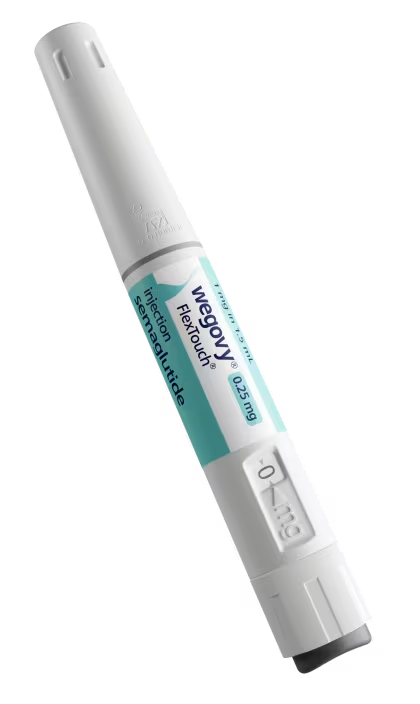
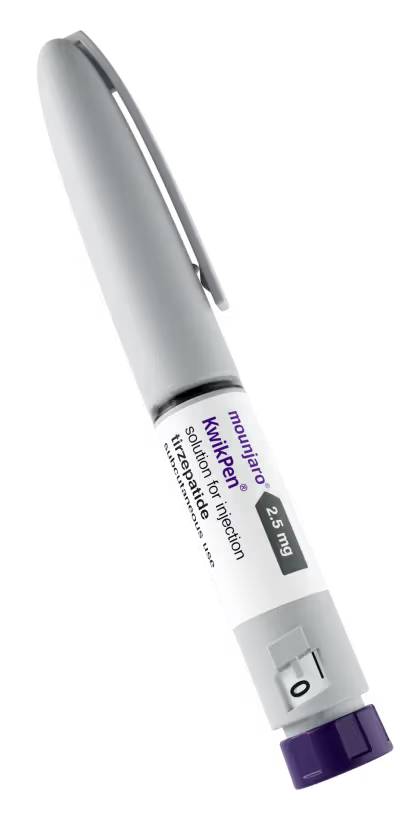
Weight loss injections have transformed obesity treatment in the UK, with medications like Wegovy (semaglutide) and Mounjaro (tirzepatide) helping people achieve significant, sustained weight loss. Clinical trials show these GLP-1 receptor agonists can help people lose 15-20% of their body weight when combined with lifestyle changes.
But effectiveness varies between individuals, and these aren't magic bullets. They work by mimicking hormones that control appetite and blood sugar, making it easier to eat less and feel satisfied with smaller portions.
How Weight Loss Injections Work#
These medications target your body's natural appetite control system. GLP-1 receptor agonists like semaglutide slow gastric emptying, increase insulin sensitivity, and directly affect appetite centres in your brain.
Tirzepatide (Mounjaro) goes further by targeting both GLP-1 and GIP receptors, which may explain why it shows slightly better weight loss results in head-to-head studies.
You inject these medications once weekly into fatty tissue - usually your thigh, stomach, or upper arm. The injection uses a tiny needle similar to insulin pens, and most people find it less uncomfortable than expected.
Clinical Trial Results#
The numbers from major clinical trials are impressive:
Wegovy (semaglutide):
- Average weight loss of 14.9% over 68 weeks
- 32% of participants lost over 20% of their starting weight
- Maintained weight loss continued in follow-up studies
Mounjaro (tirzepatide):
- Average weight loss of 20.9% at the highest dose (15mg)
- 57% of participants lost over 20% of their starting weight
- Superior to semaglutide in direct comparison studies
These results come from people who also received lifestyle counselling, so the injections weren't used alone.
Who Can Use Weight Loss Injections?#
NICE guidelines recommend GLP-1 medications for adults with:
- BMI over 35 with weight-related health conditions (diabetes, high blood pressure, sleep apnoea)
- BMI over 30 in some circumstances
- Previous unsuccessful attempts at weight loss through diet and exercise
Your GP or a specialist service like Totiva's weight management programme can assess your eligibility. Private prescribing often has more flexible criteria than NHS provision, which currently has limited availability due to supply constraints.
NHS vs Private Treatment#
The NHS provides weight loss injections through specialist weight management services, but waiting times can exceed 12 months in many areas. Strict eligibility criteria also limit access - you typically need significant obesity-related health complications.
Private treatment offers faster access and ongoing support, though costs range from £150-300 monthly depending on the medication and service level. Many private providers include dietitian support, regular monitoring, and flexible prescribing.
Common Side Effects#
Most people experience some side effects, particularly when starting treatment:
Digestive issues (very common):
- Nausea (affects up to 44% of people initially)
- Vomiting
- Diarrhoea or constipation
- Stomach pain
Less common but important:
- Gallbladder problems
- Pancreatitis (rare but serious)
- Thyroid tumours (extremely rare, mainly seen in animal studies)
Starting with low doses and increasing gradually helps minimise side effects. Most digestive problems improve within 4-8 weeks as your body adjusts.
Got questions? Speak to a pharmacist on WhatsApp now
Prefer to browse first? View treatments
Long-Term Effectiveness#
The key question is whether weight loss continues after stopping treatment. Current evidence suggests:
- Weight regain occurs when stopping medication
- Continued treatment maintains weight loss
- Some people maintain habits learned during treatment
This means most people need ongoing treatment for sustained results, similar to taking blood pressure medication long-term.
Costs and Accessibility#
Monthly costs vary significantly:
- Wegovy: £150-250 monthly privately
- Mounjaro: £200-300 monthly privately (rising in 2025)
- NHS: Free if eligible, but limited availability
Some private health insurance policies now cover weight loss medication when prescribed for obesity-related health conditions.
Getting Started Safely#
If you're considering weight loss injections:
- Medical assessment - Comprehensive health check including blood tests
- Realistic expectations - Understand this requires long-term commitment
- Lifestyle support - Most effective with dietary changes and increased activity
- Regular monitoring - Check-ups every 3-6 months to assess progress and side effects
Reputable providers like Totiva offer comprehensive programmes including medical supervision, nutritional guidance, and ongoing support rather than just dispensing medication.
Ready to see if treatment could work for you?
Are They Right for You?#
Weight loss injections represent a significant breakthrough for people struggling with obesity, particularly when other methods haven't worked. The clinical evidence is robust, showing substantial weight loss that can improve diabetes, blood pressure, and overall health.
However, they're not suitable for everyone and require long-term commitment. Side effects can be challenging initially, and the need for ongoing treatment means considering both financial and lifestyle implications.
Speaking with a healthcare provider who specialises in weight management will help determine if these medications align with your health goals and circumstances.
Medical Information: This article is for informational purposes only and does not constitute medical advice. Always consult a qualified healthcare professional before starting, stopping, or changing any treatment.