How Long Does Minoxidil Take to Work? Your Timeline for Hair Regrowth
Minoxidil typically takes 8-12 weeks to show initial results, with noticeable improvements at 4-6 months. Here's what to expect month by month.
Written and medically reviewed by:

Key Takeaways
Minoxidil takes 8-12 weeks to show initial results and 4-6 months for noticeable hair regrowth. Consistency is crucial - don't expect overnight changes.
The Short Answer: 8-12 Weeks for Initial Results#
Minoxidil takes 8-12 weeks of consistent daily use before you'll see the first signs it's working. For noticeable hair regrowth, expect to wait 4-6 months, with optimal results typically appearing after 12 months of treatment.
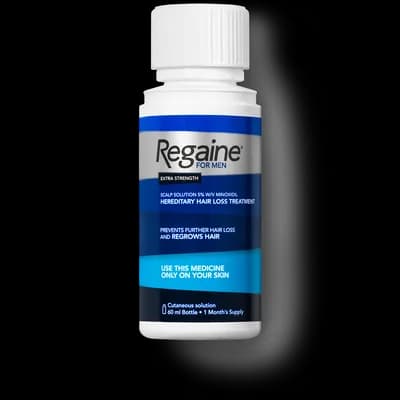
This timeline applies whether you're using topical minoxidil (foam or solution) or oral minoxidil tablets prescribed by your GP. The key word here is "consistent" - skipping applications will delay your results significantly.
Your Month-by-Month Minoxidil Timeline#
Months 1-2: The Shedding Phase Don't panic if you notice more hair falling out initially. This "minoxidil shed" is actually a positive sign that the treatment is working. Weak, damaged hairs are being pushed out to make way for stronger, healthier growth.
Months 3-4: First Signs of Progress Hair shedding should slow down considerably. You might spot fine, light-coloured "vellus" hairs appearing along your hairline or in thinning areas. These baby hairs will gradually thicken and darken.
Months 5-6: Noticeable Improvements This is when most people start seeing real results. Your scalp becomes less visible through your hair, particularly around the crown. The new hairs are thicker and more pigmented.
Months 9-12: Optimal Results With continued use, you'll see the best minoxidil can offer. Hair density improves, and the texture becomes noticeably thicker. Photos from this stage compared to your starting point should show clear improvement.
How to Tell Minoxidil Is Working#
Rather than staring at your reflection daily (which makes progress harder to spot), look for these concrete signs:
- Less hair in the shower drain - A clear indicator the shedding phase is ending
- Shorter, finer hairs appearing - New growth starts as "peach fuzz" before thickening
- Reduced scalp visibility - Particularly noticeable in bright light or when hair is wet
- Improved hair texture - Existing hair feels thicker and stronger
Taking monthly photos using the same lighting and mirror position helps track progress objectively. Many people are surprised by the improvement when comparing photos rather than relying on daily mirror checks.
Oral vs Topical Minoxidil: Speed Differences#
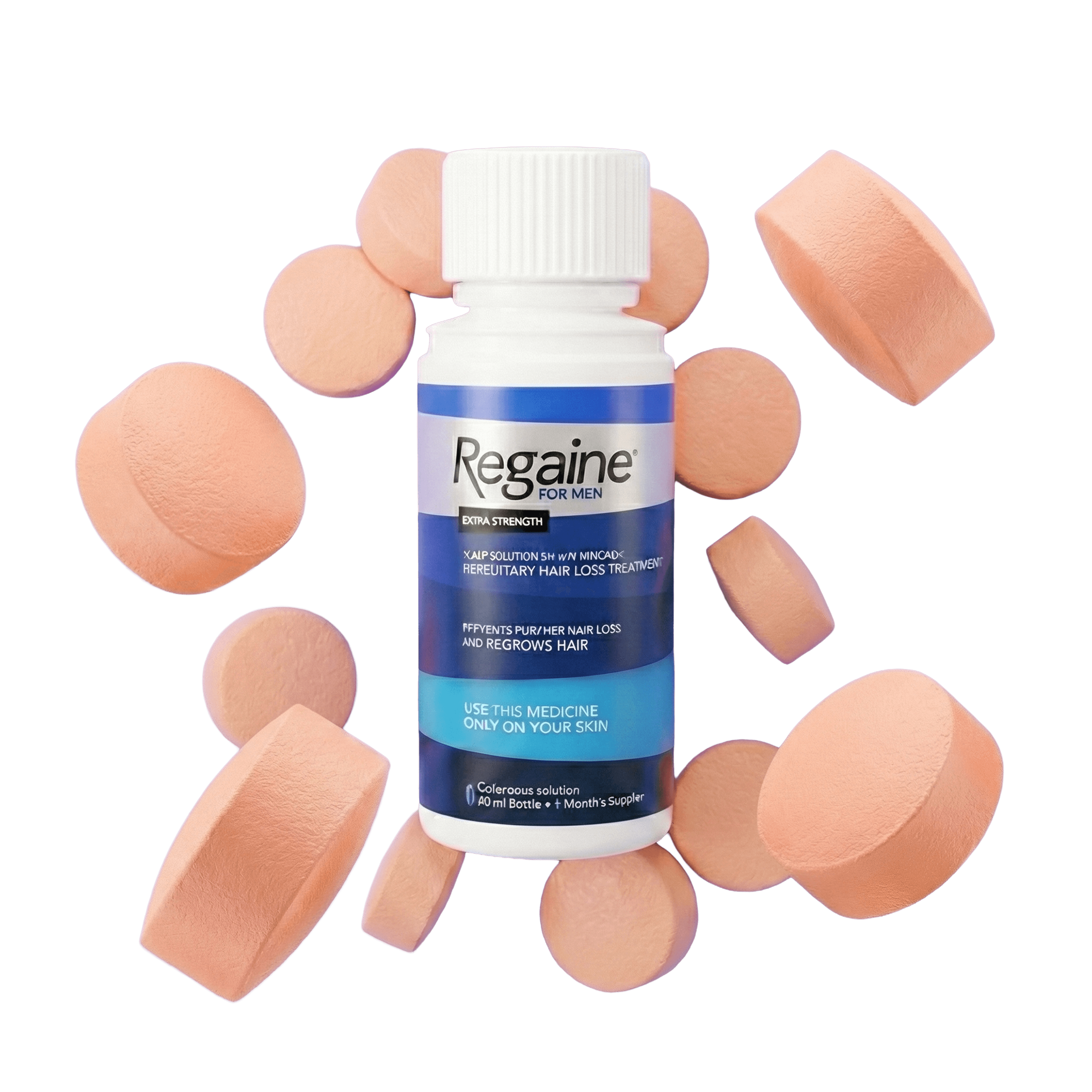
Research suggests oral minoxidil may produce results slightly faster than topical formulations, though both are similarly effective long-term. Oral minoxidil achieves higher concentrations in hair follicles, potentially explaining the quicker response.
However, oral minoxidil requires a prescription from your GP and carries a higher risk of systemic side effects, including:
- Ankle swelling
- Unwanted hair growth on face or body
- Heart palpitations
- Dizziness or lightheadedness
Topical minoxidil, available without prescription from Totiva and other UK pharmacies, typically causes only localised scalp irritation in some users.
Combining Minoxidil with Finasteride#
Using minoxidil alongside finasteride can accelerate results and improve overall effectiveness. These medications work through different mechanisms:
- Minoxidil stimulates blood flow to hair follicles, promoting growth
- Finasteride blocks DHT (dihydrotestosterone), the hormone responsible for male pattern baldness
Combination therapy often produces noticeable improvements within 3-4 months rather than the typical 4-6 months for minoxidil alone. However, finasteride requires a prescription and isn't suitable for everyone due to potential sexual side effects.
Factors That Affect Your Timeline#
Several factors influence how quickly minoxidil works for you:
Age and Hair Loss Stage Younger men with recent hair loss typically respond faster than those with advanced balding. Minoxidil works best on active hair follicles rather than completely dormant ones.
Application Consistency Using minoxidil "most days" isn't enough. Twice-daily application (for topical forms) maintains steady drug levels in your scalp tissue.
Scalp Health Dandruff, seborrheic dermatitis, or excessive oil can interfere with absorption. Address scalp conditions before starting treatment for optimal results.
Overall Health Nutritional deficiencies (particularly iron, protein, and B vitamins) can slow hair growth regardless of medication. A balanced diet supports your treatment efforts.
Got questions? Speak to a pharmacist on WhatsApp now
Prefer to browse first? View treatments
What If Minoxidil Isn't Working?#
If you've used minoxidil consistently for 6-12 months without improvement, consider these options:
- Speak to your GP about oral minoxidil if you've only tried topical
- Add finasteride to your regimen (prescription required)
- Check for underlying conditions like thyroid disorders or nutritional deficiencies
- Consider hair transplant consultation through NHS referral if pattern baldness is advanced
Remember, minoxidil works for about 60-70% of men with androgenetic alopecia. Non-responders aren't doing anything wrong - genetic factors play a significant role in treatment success.
Maximising Your Results#
To get the best from minoxidil treatment:
- Apply to a clean, dry scalp for optimal absorption
- Wait at least 4 hours before washing your hair
- Don't double-dose if you miss an application - just continue with your normal schedule
- Be patient - hair growth is inherently slow
- Take progress photos monthly rather than daily mirror checks
Consistency trumps everything else when it comes to minoxidil success. Stick with your routine for at least 6-12 months before evaluating effectiveness.
Medical Information: This article is for informational purposes only and does not constitute medical advice. Always consult a qualified healthcare professional before starting, stopping, or changing any treatment.