Porn-Induced Erectile Dysfunction: Understanding PIED and Recovery Options
PIED affects growing numbers of young men. Learn the science behind porn-induced ED and evidence-based approaches to recovery and treatment.
Written and medically reviewed by:

Key Takeaways
PIED may result from excessive pornography affecting brain reward pathways and creating unrealistic expectations. Recovery typically involves reducing pornography use, professional counselling, and sometimes medical treatment.
What is Porn-Induced Erectile Dysfunction?#
Porn-induced erectile dysfunction (PIED) describes difficulty achieving or maintaining erections due to excessive pornography consumption. While not formally recognised as a medical diagnosis, PIED has gained attention as more young men report erectile dysfunction without obvious physical causes.
Unlike age-related ED, which typically stems from cardiovascular or hormonal issues, PIED primarily affects men under 40 who've developed sexual response patterns linked to pornographic content rather than real-world intimacy.
How Pornography May Affect Sexual Function#
Research suggests several mechanisms by which excessive pornography use might contribute to erectile dysfunction:
Dopamine Dysregulation#
Pornography triggers intense dopamine release in the brain's reward pathways. A 2016 review in Behavioural Sciences found that repeated exposure to pornographic content may desensitise these pathways, potentially requiring increasingly intense stimulation to achieve arousal.
This neurochemical adaptation might explain why some men struggle with arousal during partnered sex, which naturally provides less intense visual stimulation than pornography.
Performance Anxiety and Unrealistic Expectations#
Pornography often presents unrealistic depictions of bodies, performance, and sexual scenarios. Men who've primarily learned about sex through pornographic content may develop:
- Performance anxiety when real encounters don't match pornographic expectations
- Body image concerns comparing themselves to performers
- Difficulty focusing on physical sensations rather than visual stimulation
Conditioning Responses#
Some researchers propose that frequent pornography use alongside masturbation may condition arousal responses to specific visual cues, potentially making it harder to become aroused without these stimuli.
The Evidence Behind PIED#
While research specifically on PIED remains limited, several studies provide insight into the relationship between pornography use and sexual function:
A 2016 study in JAMA Psychiatry of 64 healthy men found associations between pornography consumption and reduced brain activity in reward-related regions. However, the study couldn't establish whether pornography use caused these changes or whether men with different brain patterns were more likely to use pornography.
Clinical reports describe cases where reducing pornography use improved erectile function, though controlled trials remain scarce. A 2019 systematic review in The Journal of Sexual Medicine noted that while many young men report PIED symptoms, more rigorous research is needed to establish causation.
Not sure which treatment is right for you?
Recovery Approaches and Timelines#
Men experiencing suspected PIED often benefit from a multi-faceted approach:
Medical Assessment#
First, consult your GP to rule out physical causes. Blood tests can check hormone levels, while cardiovascular assessment ensures adequate blood flow. The NHS provides erectile dysfunction services through GP practices, with referral to specialist services if needed.
Behavioural Changes#
Many men report improvement through:
Abstinence periods: Some choose temporary breaks from both pornography and masturbation, typically 30-90 days, allowing sensitivity to reset.
Gradual reintroduction: After abstinence, some reintroduce masturbation without pornographic content, focusing on physical sensations rather than visual stimuli.
Mindfulness during intimacy: Concentrating on physical sensations, emotional connection, and partner interaction rather than performance.
Professional Support#
The Faculty of Sexual and Reproductive Healthcare recommends psychosexual counselling for ED with psychological components. Relate offers relationship counselling, while the British Association for Counselling and Psychotherapy can help locate qualified therapists.
Cognitive behavioural therapy (CBT) may help address performance anxiety and unrealistic expectations contributing to sexual difficulties.
Treatment Options#
While addressing underlying pornography use is important, medical treatments can provide support during recovery:
PDE5 Inhibitors#
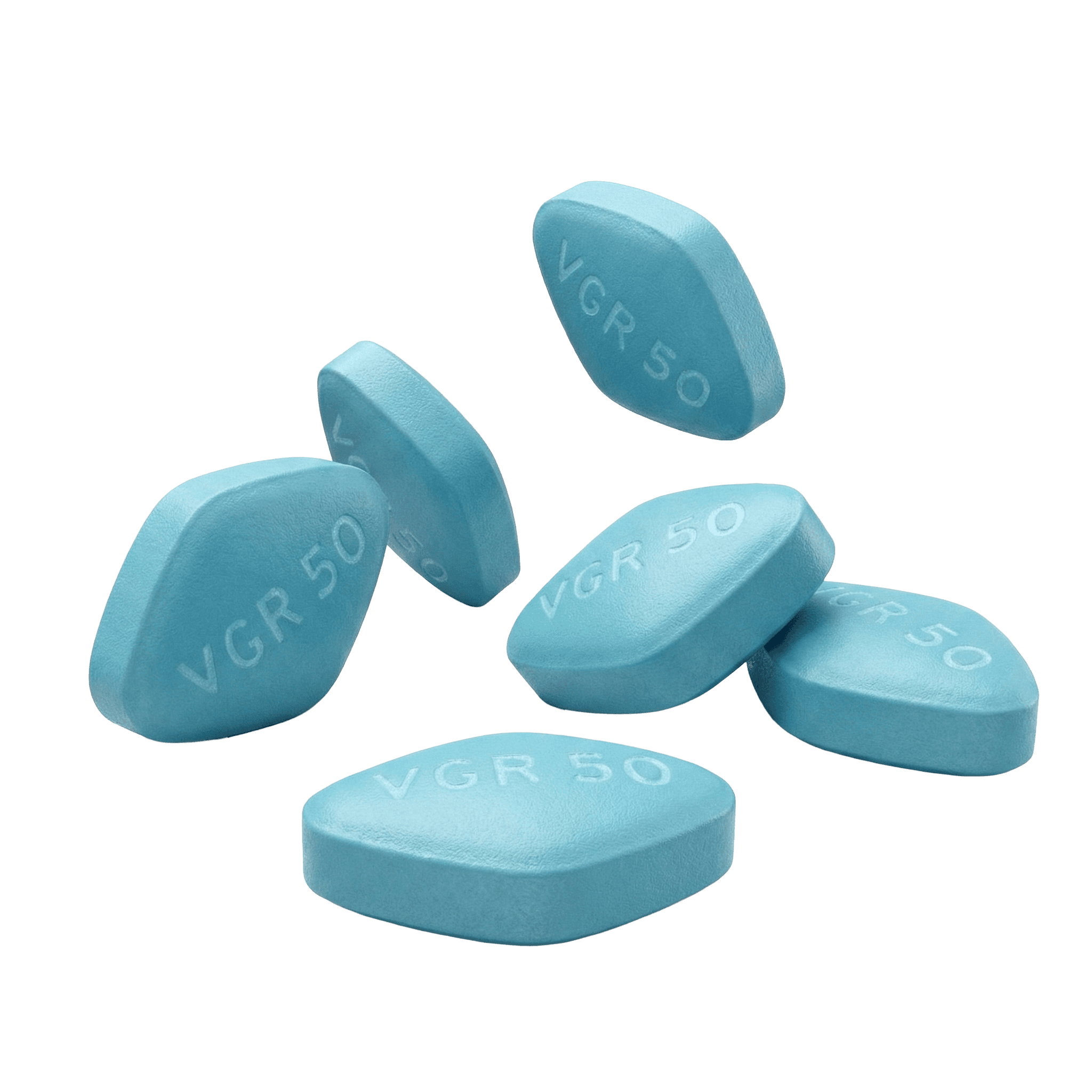
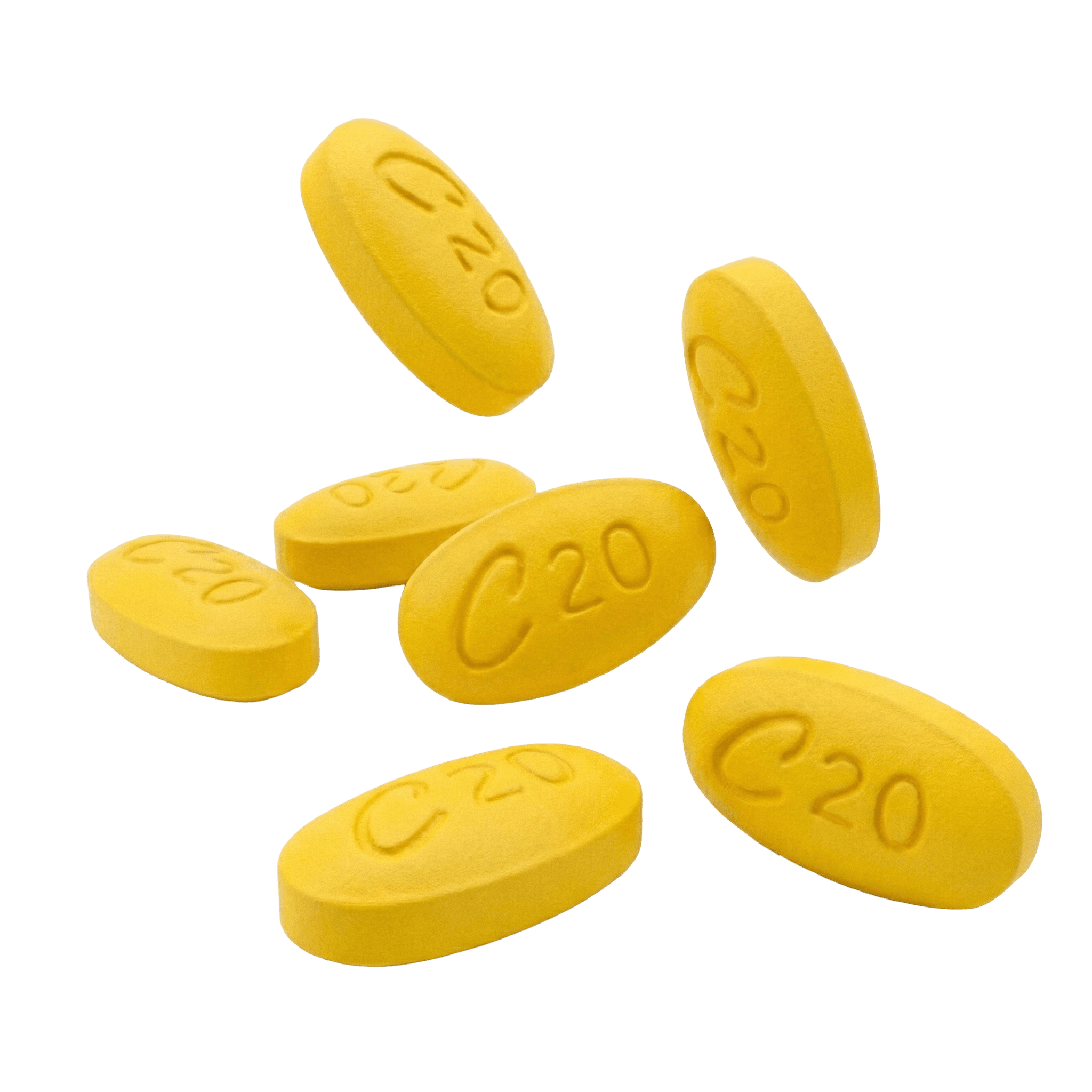
Medications like sildenafil (Viagra) or tadalafil (Cialis) can help achieve erections regardless of the underlying cause. These don't address PIED's root causes but may reduce performance anxiety and restore confidence.
Totiva offers these treatments following online consultation, though discussing suspected PIED with a healthcare provider ensures comprehensive care.
Psychological Interventions#
Sex therapy specifically addresses sexual concerns through techniques like:
- Sensate focus exercises
- Communication skills training
- Anxiety management strategies
- Gradual exposure to partnered intimacy
Recovery Timeline and Expectations#
Recovery experiences vary significantly. Some men report improvements within weeks, while others require months of consistent effort. Factors affecting recovery include:
- Duration and intensity of pornography use
- Age when use began
- Overall physical and mental health
- Relationship quality and partner support
- Commitment to behavioural changes
It's important to maintain realistic expectations and seek professional support when needed.
Got questions? Speak to a pharmacist on WhatsApp now
Prefer to browse first? View treatments
When to Seek Help#
Consider professional help if:
- Erectile difficulties persist despite reducing pornography use
- The situation is causing significant distress or relationship problems
- You're struggling to control pornography consumption
- Depression or anxiety are present
The NHS provides confidential sexual health services, while organisations like Sex Addiction Help offer specialised support.
Moving Forward#
PIED represents a complex interaction between neurological, psychological, and behavioural factors. While research continues to evolve, many men report improvements through comprehensive approaches addressing both pornography use and underlying sexual health.
Recovery often requires patience, professional guidance, and sometimes medical support. The combination of behavioural changes, professional counselling, and appropriate medical treatment when needed offers the best prospects for restored sexual function and satisfaction.
Not sure which treatment is right for you?
Medical Information: This article is for informational purposes only and does not constitute medical advice. Always consult a qualified healthcare professional before starting, stopping, or changing any treatment.