Retatrutide Dosage: Starting Doses and Schedules for Weight Loss
Learn about retatrutide starting doses, escalation schedules, and how this promising triple-hormone treatment compares to current weight loss medications.
Written and medically reviewed by:

Key Takeaways
Retatrutide trials used 2mg starting doses, escalating every 4 weeks to 4-12mg maintenance doses.
What You Should Know About Retatrutide Dosage#
Retatrutide is showing remarkable promise in clinical trials, with participants losing up to 28.7% of their body weight - that's almost double what we typically see with current treatments like Wegovy. But while these results are impressive, retatrutide isn't available in the UK yet.
The dosing schedules tested in clinical trials give us valuable insight into how this medication might work once it's approved. Most people started on 2mg weekly, gradually increasing every four weeks to reach maintenance doses between 4mg and 12mg weekly.
Unlike current weight loss injections that target one or two hormones, retatrutide activates three: GLP-1, GIP, and glucagon. This triple action appears to make it more potent, which is why the gradual dose escalation is so important for managing side effects.
Understanding Retatrutide: How It Works#
Retatrutide belongs to a new generation of weight loss medications that work by mimicking hormones your body naturally produces to control appetite and blood sugar. What sets it apart is its triple mechanism of action.
Current medications like Wegovy (semaglutide) target just the GLP-1 receptor, while Mounjaro (tirzepatide) targets both GLP-1 and GIP receptors. Retatrutide goes further by also activating glucagon receptors, creating what researchers call a "triple agonist" effect.
This broader hormonal impact appears to produce superior weight loss results. In phase 2 trials, people taking the highest dose (12mg) lost an average of 24.2% of their body weight over 48 weeks. The most recent phase 3 data shows even better results, with some participants losing over 28% of their starting weight.
The medication works by slowing gastric emptying (how quickly food leaves your stomach), reducing appetite, and improving how your body processes glucose and fat. You feel fuller for longer and naturally eat less without the constant hunger that often derails weight loss efforts.
Starting Doses: What the Research Shows#
Clinical trials have tested several different starting approaches for retatrutide, each designed to balance effectiveness with tolerability.
2mg Weekly Starting Dose
This was the most common starting point in trials, particularly for people assigned to higher target doses. Starting at 2mg gives your digestive system time to adapt before moving to stronger doses, which significantly reduces nausea and other gastrointestinal side effects.
Most participants who started at 2mg followed this escalation:
- Weeks 1-4: 2mg weekly
- Weeks 5-8: 4mg weekly
- Weeks 9-12: 8mg weekly
- Week 13+: Target dose (8mg, 9mg, or 12mg)
4mg Weekly Starting Dose
Some trial participants began at 4mg weekly. This approach was used either as a fixed dose (staying at 4mg throughout treatment) or as a faster route to 8mg weekly. While this gets you to therapeutic doses quicker, it can increase the risk of side effects during the first few weeks.
Lower Starting Doses (0.5mg-1mg)
Phase 2 trials tested very low starting doses of 0.5mg and 1mg weekly, typically as fixed doses without escalation. These produced modest but meaningful weight loss (around 5-7% of body weight) with minimal side effects. They might be options for people who are particularly sensitive to medications or have other health conditions.
Want to hear when Retatrutide is available?
Dose Escalation: The Step-Up Process#
The gradual increase in retatrutide dose isn't just about following a protocol - it's essential for treatment success and your comfort during the process.
Why Escalation Matters
Starting on a high dose of retatrutide would likely cause severe nausea, vomiting, and diarrhoea that could force you to stop treatment entirely. The step-up approach allows your digestive system to adapt gradually, making side effects much more manageable.
Think of it like training for a marathon. You wouldn't attempt to run 26 miles on your first day - you'd build up your endurance gradually over months. Retatrutide dosing works the same way.
Standard Escalation Timeline
Most clinical trials followed a 4-week escalation schedule:
- Every 4 weeks, the dose increases by 2-4mg
- Each dose level is maintained for a full month
- Side effects typically peak in the first week after an increase
- Most people adapt to each new dose within 2-3 weeks
Flexible Dosing in Practice
While trials followed rigid schedules, real-world prescribing will be much more flexible. Your healthcare provider might:
- Keep you at your current dose longer if you're experiencing side effects
- Slow down the escalation if you're particularly sensitive
- Temporarily step back to a lower dose if needed
- Skip doses levels if you're tolerating treatment very well
The goal is finding your personal "sweet spot" - the highest dose you can tolerate comfortably while achieving meaningful weight loss.
Maintenance Dosing: Finding Your Target#
Once you've completed the escalation phase, you'll settle on a maintenance dose that you'll likely continue long-term. Clinical trials tested several maintenance dose options:
12mg Weekly (Maximum Tested Dose)
This produced the most dramatic weight loss in trials - up to 28.7% of body weight over 68 weeks. However, it also caused the most side effects. Not everyone can tolerate this dose, and that's perfectly normal.
8-9mg Weekly (High-Moderate Dose)
Many trial participants did very well on 8mg or 9mg weekly, losing 15-20% of their starting weight with manageable side effects. This range might be the "sweet spot" for many people.
4mg Weekly (Moderate Dose)
Even at 4mg weekly, people typically lost 10-15% of their body weight - still clinically significant results. This might be the right dose for people who are sensitive to medications or have other health considerations.
Personalised Approach
Your ideal maintenance dose depends on several factors:
- How well you tolerate side effects
- How much weight you need to lose
- Your other medications and health conditions
- Your weight loss goals and timeline
Some people achieve their goals on lower doses, while others need the full 12mg to see meaningful results. There's no "one size fits all" approach.
Managing Side Effects During Dose Changes#
The most common side effects with retatrutide are gastrointestinal: nausea, vomiting, diarrhoea, and constipation. These typically occur when starting treatment or increasing doses.
Timeline of Side Effects
Side effects usually follow a predictable pattern:
- Peak intensity: 1-3 days after dose increase
- Gradual improvement: Over 7-14 days
- Resolution: Most people adapt within 2-3 weeks
Practical Management Strategies
While we don't have official guidance yet, lessons from similar medications suggest:
- Eat smaller, more frequent meals
- Avoid high-fat or greasy foods
- Stay well-hydrated
- Take the injection at bedtime to sleep through peak side effects
- Consider anti-nausea medication if needed
When to Slow Down
Your healthcare provider might recommend slowing escalation if you experience:
- Persistent vomiting that prevents eating or drinking
- Severe diarrhoea lasting more than a few days
- Signs of dehydration
- Unable to maintain basic nutrition
Got questions about Retatrutide? Speak to a pharmacist on WhatsApp
Prefer to browse first? View treatments
Retatrutide vs Current Weight Loss Medications#
Understanding how retatrutide dosing compares to existing treatments helps put things in perspective.
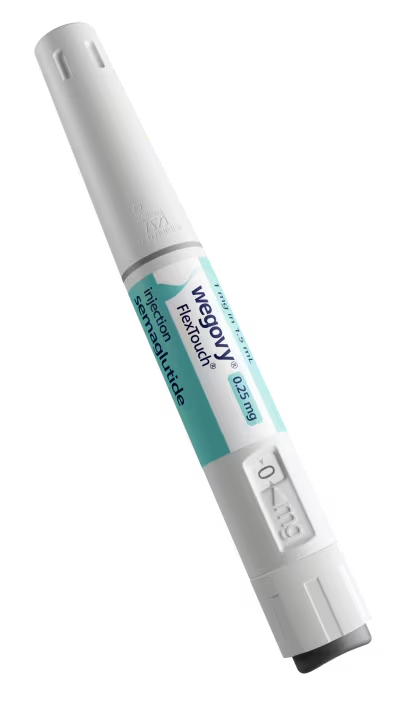
Wegovy (Semaglutide) Comparison
Wegovy follows a similar escalation approach:
- Starting dose: 0.25mg weekly
- Maximum dose: 2.4mg weekly
- Escalation period: 16-20 weeks
Retatrutide's doses are numerically higher, but you can't directly compare milligram-to-milligram because they're different molecules with different potencies.
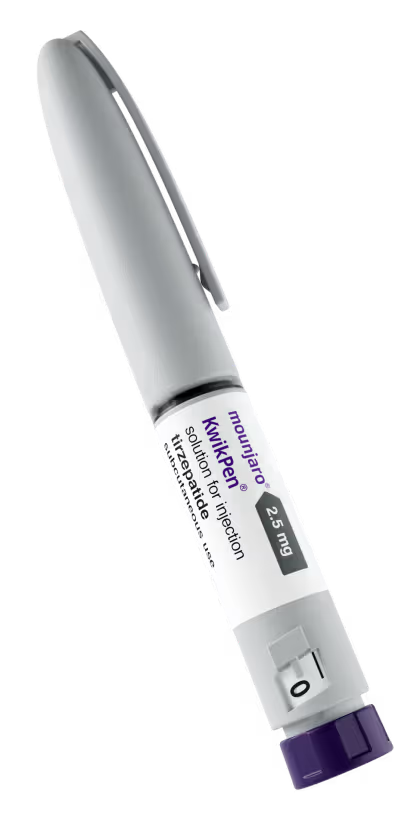
Mounjaro (Tirzepatide) Comparison
Mounjaro escalation:
- Starting dose: 2.5mg weekly
- Maximum dose: 15mg weekly
- Escalation period: 12-16 weeks
Retatrutide's escalation timeline is similar to Mounjaro's, which makes sense given both are multi-hormone agonists.
Effectiveness Comparison
Based on clinical trial data:
- Wegovy: 10-15% average weight loss
- Mounjaro: 15-20% average weight loss
- Retatrutide: 20-28% average weight loss
These numbers aren't from head-to-head trials, so we can't make definitive comparisons yet.
UK Availability and What Comes Next#
Retatrutide is still in phase 3 clinical trials and isn't expected to be available in the UK until at least mid-2026. Here's what needs to happen first:
Regulatory Approval Process
- Complete phase 3 trials (ongoing through 2025)
- Submit application to MHRA for marketing authorisation
- MHRA review process (typically 12-18 months)
- NICE evaluation for NHS use (if approved)
- Launch in UK market
What We Don't Know Yet
- Which doses will be commercially available
- Official prescribing guidelines and contraindications
- Cost for private prescriptions
- NHS eligibility criteria
- Long-term safety data beyond current trial periods
Clinical Trial Opportunities
If you're interested in accessing retatrutide before it's approved, clinical trials might be an option. Search the UK Clinical Trials Gateway or speak with your GP about potential opportunities.
Current Alternatives While We Wait#
While retatrutide shows impressive results, proven weight loss medications are available now that could help you start your journey.
Established Options
Wegovy (semaglutide) and Mounjaro (tirzepatide) are both available in the UK as injections and show excellent results in clinical practice. Many people achieve 10-20% weight loss with these medications, which is life-changing for most. Oral tablet options are also available: Wegovy tablets (oral semaglutide) and Foundayo tablets (oral semaglutide) offer an alternative for those who prefer not to use injections.
Getting Started Today
At Totiva, we provide comprehensive weight loss consultations and can prescribe current medications where appropriate. Our pharmacists work with you to:
- Assess your suitability for weight loss medication
- Start on the right dose and monitor your progress
- Provide ongoing support throughout your journey
- Adjust treatment as needed
Don't wait for retatrutide if you're ready to start losing weight now. The best weight loss medication is the one you can access and use safely today.
Want to hear when Retatrutide is available?
Looking Ahead: The Future of Weight Loss Treatment#
Retatrutide represents an exciting step forward in obesity treatment. Its triple-hormone approach could offer hope for people who haven't achieved their goals with current medications.
The impressive trial results suggest we're entering a new era where 25-30% weight loss might become achievable for many people. This could transform not just individual lives, but public health outcomes across the UK.
However, it's important to remember that no medication works in isolation. Successful weight loss still requires commitment to lifestyle changes, ongoing medical support, and realistic expectations about the journey ahead.
Whether you choose to wait for retatrutide or start with current options, the most important step is beginning your weight loss journey with professional medical guidance.
Want to hear when Retatrutide is available?
Medical Information: This article is for informational purposes only and does not constitute medical advice. Always consult a qualified healthcare professional before starting, stopping, or changing any treatment.