Retatrutide side effects: everything the research tells us
Clinical trials show retatrutide causes digestive side effects in most patients, plus potential heart rate changes. Here's what UK patients need to know.
Written and medically reviewed by:

Key Takeaways
Retatrutide causes digestive side effects in most users, particularly nausea and diarrhoea. These typically improve within 4-8 weeks and are manageable with proper support.
Retatrutide side effects: everything the research tells us#
Retatrutide, the promising triple-hormone weight loss injection, causes side effects in most people who take it. Clinical trials show around 85% of participants experience at least one side effect, with digestive issues being the most common.
The good news? Most side effects are mild to moderate and improve over time as your body adjusts to the medication. Here's what the research tells us about what to expect.
Quick summary: Retatrutide causes nausea, diarrhoea and vomiting in most people, similar to other GLP-1 medications. Side effects are dose-dependent and typically improve after the first few weeks.
What is retatrutide?#
Retatrutide is a once-weekly injection that targets three hormone pathways simultaneously - GLP-1, GIP, and glucagon receptors. This "triple action" approach has shown remarkable results in clinical trials, with participants losing up to 24% of their body weight over 48 weeks.
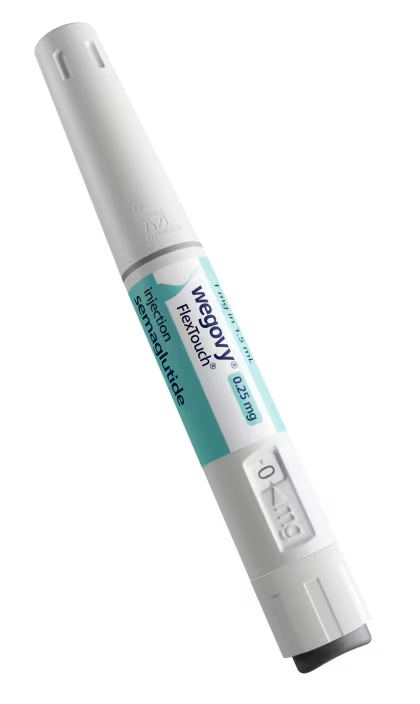
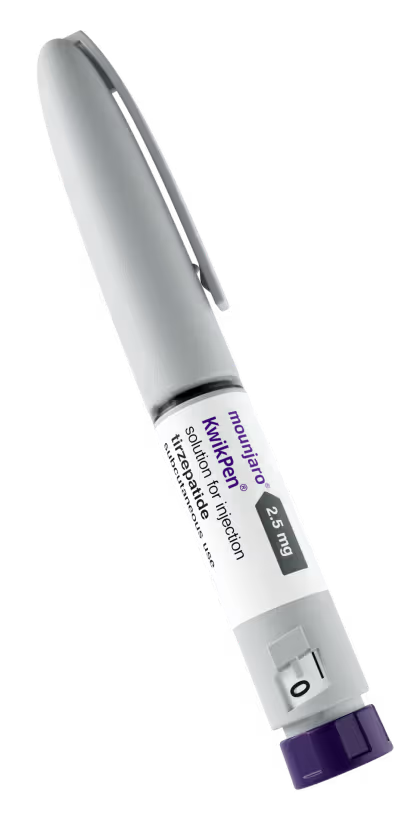
Unlike Wegovy (semaglutide) which targets one hormone pathway, or Mounjaro (tirzepatide) which targets two, retatrutide's broader mechanism appears to deliver superior weight loss results. However, this enhanced effectiveness comes with a familiar pattern of side effects.
Most common retatrutide side effects#
The phase 2 SURMOUNT trial data reveals a clear picture of retatrutide's side effect profile:
Digestive side effects (affecting 60-85% of participants):
- Nausea (most common, especially in first 4-6 weeks)
- Diarrhoea
- Vomiting
- Constipation
- Abdominal pain
- Decreased appetite
Less common side effects (5-15% of participants):
- Fatigue
- Headache
- Dizziness
- Injection site reactions
- Skin sensitivity
These percentages increased with higher doses. At the maximum 12mg dose, nearly 90% of participants experienced gastrointestinal side effects during the first month.
Want to hear when Retatrutide is available?
Heart-related effects#
Retatrutide can affect your heart rate, particularly at higher doses. In clinical trials, participants taking 12mg experienced an average increase of 6.7 beats per minute at 24 weeks. This increase was temporary - heart rates returned closer to baseline by weeks 36-48.
A small number of participants (less than 5%) experienced mild heart rhythm changes (arrhythmias). However, no serious cardiovascular events were attributed to retatrutide in the trials.
Interestingly, retatrutide also showed cardiovascular benefits. Participants saw improvements in:
- Blood pressure (40% were able to reduce blood pressure medications)
- Cholesterol levels
- Blood sugar control
- Insulin sensitivity
Can retatrutide cause hair loss?#
There's no direct evidence that retatrutide causes hair loss. However, rapid weight loss from any cause can trigger temporary hair thinning (telogen effluvium).
When you lose weight quickly - as many retatrutide users do - your body may respond to this "stress" by temporarily slowing hair growth. This affects around 3-6% of people taking GLP-1 medications, based on data from similar drugs like Wegovy and Mounjaro.
If you do experience hair thinning, it's typically temporary and resolves within 3-6 months as your weight stabilises.
Duration and management of side effects#
Most retatrutide side effects follow a predictable pattern:
Weeks 1-4: Peak intensity, especially nausea and digestive issues Weeks 4-8: Gradual improvement as your body adjusts Week 8+: Most side effects significantly reduced or resolved
Side effects typically worsen when increasing doses, then improve again at the stable dose. The titration schedule used in trials helped minimise this effect by gradually increasing doses every 4 weeks.
Managing common side effects:
- Eat smaller, more frequent meals
- Avoid high-fat or spicy foods
- Stay well hydrated
- Take the injection at bedtime to sleep through peak nausea
- Consider anti-nausea medication if symptoms are severe
Got questions about Retatrutide? Speak to a pharmacist on WhatsApp
Prefer to browse first? View treatments
Who shouldn't use retatrutide?#
Based on exclusion criteria from clinical trials and restrictions for similar medications, retatrutide likely won't be suitable if you:
- Are pregnant or breastfeeding
- Have a personal or family history of medullary thyroid cancer
- Have multiple endocrine neoplasia syndrome type 2
- Have severe gastrointestinal disease
- Have a history of pancreatitis
- Have diabetic retinopathy (eye complications from diabetes)
- Are under 18 years old
Always discuss your full medical history with a healthcare provider before starting any new medication.
UK availability and alternatives#
Retatrutide isn't available in the UK yet. It's currently in phase 3 trials, with potential approval expected around 2026-2027 if trials continue to show positive results.
The MHRA (Medicines and Healthcare products Regulatory Agency) will need to evaluate safety and efficacy data before considering approval. Even then, NICE will need to assess cost-effectiveness before recommending NHS funding.
Available alternatives through Totiva:
If you're looking for effective weight loss treatment now, Totiva offers clinically proven alternatives including Wegovy and Mounjaro. These GLP-1 medications have similar side effect profiles but are available today through our regulated online pharmacy service.
Our clinical team can help you choose the most suitable option and provide ongoing support to manage any side effects effectively.
The bottom line#
Retatrutide's side effects are well-documented and generally manageable. While most people experience digestive issues initially, these typically improve significantly within 4-8 weeks.
The medication's impressive weight loss results in trials suggest it could become a valuable option when it reaches the UK market. In the meantime, proven alternatives are available through regulated channels like Totiva.
Remember, any weight loss medication should be part of a comprehensive approach including dietary changes and increased physical activity. Professional medical supervision is essential for safe and effective treatment.
Want to hear when Retatrutide is available?
Medical Information: This article is for informational purposes only and does not constitute medical advice. Always consult a qualified healthcare professional before starting, stopping, or changing any treatment.