Weight Loss Supplements That Actually Work: A UK Pharmacist's Guide
Discover which weight loss supplements have scientific backing and are regulated in the UK, plus what to avoid from a GPhC-registered pharmacist.
Written and medically reviewed by:

Key Takeaways
Only a few weight loss supplements have solid evidence: magnesium (if deficient), caffeine, green tea extract, protein, and fibre. Most products are poorly regulated and overhyped.
Weight Loss Supplements That Actually Work: A UK Pharmacist's Guide#
Walk into any high street shop and you'll find shelves packed with weight loss supplements promising miraculous results. The reality? Most are poorly regulated and lack solid scientific evidence. As a GPhC-registered pharmacy, we see the confusion firsthand – people spending money on products that simply don't deliver.
However, a handful of supplements do show genuine promise when combined with a balanced diet and regular exercise. Let's explore what actually works, what's worth avoiding, and how to make informed choices about weight loss supplements in the UK.
The UK Supplement Landscape: What You Need to Know#
Unlike prescription medicines, most weight loss supplements in the UK aren't regulated by the MHRA as medicinal products. This creates a wild west situation where manufacturers can make bold claims with limited oversight.
The exceptions are products making specific medical claims or containing certain active ingredients. These must meet stricter standards, but they're the minority. For everything else, you're largely relying on the manufacturer's integrity and third-party testing.
This regulatory gap means you need to be particularly careful about quality, dosing, and potential interactions with any medications you're taking.
Magnesium: The Overlooked Mineral#
Magnesium deficiency affects over half the UK population, yet it's rarely discussed in weight management. This essential mineral plays crucial roles in protein synthesis, blood pressure regulation, and blood sugar control – all factors that influence weight.
Research shows a clear inverse relationship between magnesium levels and body fat. A 2023 study of 1,000 participants found that lower magnesium levels correlated with higher fat mass, particularly in people who got adequate sleep and didn't have chronic conditions like diabetes.
The weight loss benefits appear most pronounced in specific groups. A comprehensive 2020 meta-analysis of 32 studies found that magnesium supplementation significantly reduced BMI, with the greatest benefits seen in:
- People with obesity
- Those with high blood pressure
- Individuals with insulin resistance
- People with existing magnesium deficiency
For women, magnesium supplementation may be particularly beneficial. Conditions like PCOS can impair magnesium absorption, while pregnancy increases magnesium requirements.
Typical dosage: 200-400mg daily, taken with food to improve absorption and reduce the risk of digestive upset.
Who might benefit: Women, particularly those with PCOS, people with obesity, high blood pressure, or poor sleep quality.
Caffeine: More Than Just Energy#
Your morning coffee might be doing more than keeping you awake. Caffeine acts as both an appetite suppressant and a thermogenic compound, increasing your body's heat production and fat oxidation.
A 2018 meta-analysis of 13 randomised controlled trials involving over 600 participants concluded that caffeine intake promoted reductions in weight, BMI, and body fat. However, the studies were relatively short-term, and many used caffeine in combination with other compounds.
The weight loss effects aren't permanent – your body develops tolerance over time. Starting with lower doses and cycling usage may help maintain effectiveness.
Typical dosage: 100-400mg daily, equivalent to 1-4 cups of coffee. Avoid taking within 6 hours of bedtime.
Who should avoid: People with anxiety disorders, heart conditions, or those sensitive to stimulants.
Green Tea Extract: Beyond the Hype#
Green tea contains both caffeine and catechins, compounds that may boost metabolism and promote fat burning. While the effects are modest, the research is reasonably consistent.
Multiple meta-analyses show small but statistically significant reductions in body weight and BMI with green tea supplementation. A 2020 review found the most benefits when supplements were taken for 12 weeks at doses under 500mg daily.
Beyond weight loss, green tea offers broader health benefits including anti-inflammatory and antioxidant properties. However, high-dose extracts have been linked to liver damage in rare cases.
Typical dosage: 300-500mg daily, containing 50-100mg of EGCG (the main active catechin).
Safety note: Choose supplements that specify EGCG content and avoid taking on an empty stomach.
Protein Supplements: The Muscle Preservers#
Protein isn't just for bodybuilders. When you're losing weight, adequate protein intake helps preserve muscle mass while promoting fat loss. The recommended daily allowance (0.8g per kg body weight) may be insufficient for people actively trying to lose weight.
Research consistently shows that higher protein intakes (1.2-1.6g per kg body weight) can:
- Increase satiety and reduce overall calorie intake
- Preserve lean muscle mass during weight loss
- Boost metabolism through the thermic effect of food
- Help maintain weight loss long-term
A small 2011 study found that consuming 20g of protein before meals led to reduced food intake compared to drinking water. Casein and pea protein were more effective than whey at promoting feelings of fullness.
Protein supplements are particularly valuable for vegetarians, vegans, or anyone struggling to meet their protein needs through food alone.
Typical dosage: 20-30g per serving, 1-2 times daily between meals or post-workout.
Best for: People with inadequate dietary protein, those doing resistance training, or anyone wanting to preserve muscle during weight loss.
Got questions? Speak to a pharmacist on WhatsApp now
Prefer to browse first? View treatments
Fibre Supplements: The Gut Health Heroes#
Fibre plays multiple roles in weight management, from promoting satiety to supporting healthy gut bacteria. Most UK adults consume only about 60% of the recommended 30g daily intake.
Soluble fibre supplements show particular promise. A 2017 meta-analysis of 12 studies found that soluble fibre supplementation led to:
- Average weight loss of 2.5kg
- Reduction in body fat percentage
- Improved blood sugar and insulin levels
The effects are gradual and work best when combined with increased water intake. Start slowly to avoid digestive discomfort.
Typical dosage: 5-10g daily, gradually increased over 2-3 weeks. Always take with plenty of water.
Best sources: Psyllium husk, glucomannan, or methylcellulose-based supplements.
Vitamin B12: The Deficiency Factor#
Vitamin B12 deficiency is more common than you might think, particularly among vegetarians, vegans, and people taking metformin for diabetes or PCOS. Research shows a clear inverse relationship between B12 levels and BMI.
A 2013 study of nearly 1,000 participants found significantly lower B12 levels in people with overweight and obesity compared to those with healthy weight. While correlation doesn't prove causation, correcting deficiency may support weight management efforts.
B12 plays crucial roles in energy metabolism and nervous system function. If you're deficient, supplementation may improve energy levels and metabolic function.
Who needs it: Vegetarians, vegans, people over 50, those taking metformin, or anyone with diagnosed B12 deficiency.
Typical dosage: 10-25 micrograms daily for maintenance, or higher doses if deficient (consult a healthcare provider).
What to Look for When Buying Supplements#
Not all supplements are created equal. Here's what to prioritise:
Third-party testing: Look for certifications from organisations like Informed Sport or NSF International.
Clear labelling: Avoid products with proprietary blends that hide individual ingredient amounts.
Realistic claims: Be sceptical of supplements promising dramatic weight loss without diet or exercise changes.
UK-compliant: Choose products that comply with UK/EU regulations and are sold through reputable retailers.
Avoid: Products containing banned substances, unlicensed pharmaceuticals, or ingredients with serious safety concerns.
Ready to see if treatment could work for you?
Safety Considerations and Drug Interactions#
Supplements can interact with medications and medical conditions. Key considerations include:
- Caffeine-based supplements may interfere with anxiety medications or blood pressure drugs
- Fibre supplements can reduce absorption of certain medications if taken simultaneously
- Magnesium may interact with antibiotics and some heart medications
- High-dose vitamins can be problematic for people with certain medical conditions
Always space supplements and medications apart by at least 2 hours, and consult a pharmacist about potential interactions.
The Reality Check: Supplements Aren't Magic#
Even the best weight loss supplements produce modest effects. Realistic expectations include:
- Magnesium: May support 1-2kg additional weight loss over 3-6 months
- Green tea extract: Typically 1-3kg additional weight loss over 12 weeks
- Protein supplements: Primarily help preserve muscle and promote satiety rather than directly burning fat
These benefits only occur alongside a calorie-controlled diet and regular physical activity. There's no supplement that replaces fundamental lifestyle changes.
When to Seek Professional Help#
Consider speaking to a healthcare professional if:
- You have underlying health conditions
- You're taking multiple medications
- You've struggled with weight loss despite consistent efforts
- You're considering supplements with stimulants
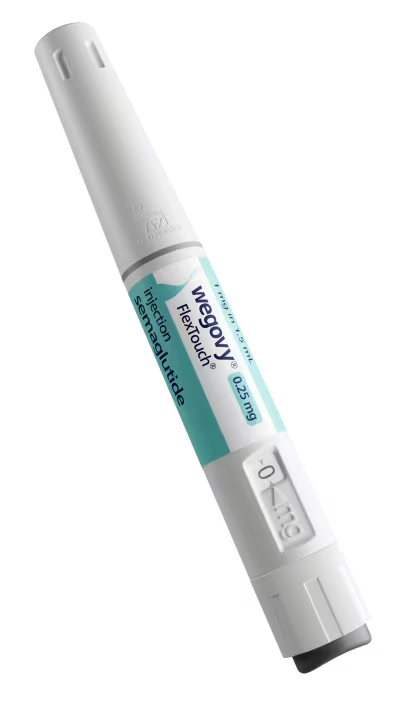
The NHS offers various weight management services, and your GP can assess whether you might benefit from prescription weight loss medications like orlistat or newer options like semaglutide.
Making Informed Choices#
Weight loss supplements can play a supporting role in your journey, but they work best as part of a comprehensive approach. Focus on evidence-based options like magnesium (if deficient), moderate caffeine intake, adequate protein, and sufficient fibre.
Remember that the supplement industry thrives on hope and frustration. By understanding what actually works – and what doesn't – you can make choices that support your health goals without wasting money on false promises.
The most effective "supplement" to any weight loss plan remains a balanced diet, regular exercise, adequate sleep, and stress management. Everything else is just supporting the main event.
Medical Information: This article is for informational purposes only and does not constitute medical advice. Always consult a qualified healthcare professional before starting, stopping, or changing any treatment.