UK Weight Loss Diet Plan: Evidence-Based Meal Planning for Sustainable Results
Get a practical 7-day meal plan designed for UK dieters, plus shopping lists, prep tips, and evidence-based advice from registered pharmacists.
Written and medically reviewed by:

Key Takeaways
This 7-day UK meal plan provides 1,400-1,600 calories daily with practical shopping lists and meal prep tips. Focus on whole foods, adequate protein, and creating sustainable habits rather than restrictive dieting.
UK Weight Loss Diet Plan: Evidence-Based Meal Planning for Sustainable Results#
Choosing the right weight loss diet plan doesn't have to feel overwhelming. While there's no single "perfect" approach that works for everyone, having a structured meal plan can provide the guidance and consistency you need to start your weight loss journey successfully.
This practical guide offers a complete 7-day meal plan tailored for UK preferences, along with shopping lists, meal prep strategies, and evidence-based advice to help you make informed decisions about sustainable weight loss.
Understanding Effective Weight Loss Planning#
Successful weight loss fundamentally comes down to creating a calorie deficit – consuming fewer calories than your body burns. However, the quality of those calories matters enormously for satiety, energy levels, and long-term success.
The NHS Eatwell Guide recommends that a healthy diet should comprise:
- At least 5 portions of fruit and vegetables daily
- Base meals on higher fibre starchy carbohydrates
- Include protein from various sources
- Choose unsaturated oils and spreads
- Drink 6-8 glasses of fluid daily
Research consistently shows that diets higher in protein and fibre tend to be more effective for weight loss, as these nutrients increase satiety and help preserve lean muscle mass during calorie restriction.
Your 7-Day UK Weight Loss Meal Plan#
This meal plan focuses on whole foods readily available in UK supermarkets, with portion guidance based on average adult needs. Each day provides approximately 1,400-1,600 calories, suitable for gradual weight loss in most adults.
Day 1: Monday#
Breakfast (350 calories) Porridge made with 40g rolled oats, 200ml semi-skimmed milk, topped with 80g mixed berries and 1 tbsp chopped walnuts
Lunch (400 calories) Grilled chicken salad: 100g chicken breast, mixed leaves, cherry tomatoes, cucumber, 1/4 avocado, 1 tbsp olive oil dressing, with 1 small wholemeal pitta
Dinner (450 calories) Baked salmon fillet (120g) with 150g roasted sweet potato and steamed broccoli, finished with lemon and herbs
Snacks (300 calories)
- Apple with 1 tbsp almond butter
- 150g Greek yoghurt with cinnamon
Day 2: Tuesday#
Breakfast (340 calories) Two-egg omelette with spinach, mushrooms, and 30g reduced-fat cheese, served with 1 slice wholemeal toast
Lunch (420 calories) Lentil soup (homemade or low-sodium tinned) with 40g wholemeal roll, plus a side salad with balsamic dressing
Dinner (480 calories) Turkey meatballs (made with 120g lean turkey mince) in tomato sauce, served with 60g wholewheat pasta and steamed green beans
Snacks (280 calories)
- Carrot and cucumber sticks with 2 tbsp hummus
- 1 small banana
Day 3: Wednesday#
Breakfast (360 calories) Smoothie made with 150g Greek yoghurt, 80g frozen mixed berries, 1 tbsp ground flaxseed, and 100ml unsweetened almond milk
Lunch (400 calories) Jacket potato (200g) topped with 100g tinned tuna in spring water, sweetcorn, and mixed salad leaves
Dinner (470 calories) Chicken and vegetable stir-fry with 100g chicken breast, mixed peppers, pak choi, and mangetout, served with 60g brown rice
Snacks (290 calories)
- 30g mixed nuts
- 1 pear
Day 4: Thursday#
Breakfast (350 calories) Overnight oats: 40g oats soaked in 150ml skimmed milk with 1 tsp honey and 80g raspberries
Lunch (430 calories) Wholewheat wrap filled with 80g grilled halloumi, roasted vegetables (courgette, peppers, red onion), and rocket leaves
Dinner (460 calories) Lean beef casserole (100g lean beef) with root vegetables, served with 100g boiled new potatoes
Snacks (270 calories)
- 2 oatcakes with 1 tbsp peanut butter
- 150g fresh fruit salad
Day 5: Friday#
Breakfast (340 calories) Scrambled eggs (2 eggs) with grilled tomatoes and mushrooms, plus 1 slice wholemeal toast
Lunch (410 calories) Quinoa salad with chickpeas, cucumber, tomatoes, red onion, fresh herbs, and olive oil dressing
Dinner (480 calories) Baked cod fillet (130g) with roasted Mediterranean vegetables and 150g new potatoes
Snacks (290 calories)
- Apple and 20g almonds
- 125g low-fat natural yoghurt
Day 6: Saturday#
Breakfast (370 calories) Wholemeal toast (2 slices) topped with 1/2 mashed avocado, sliced tomato, and a sprinkle of seeds
Lunch (420 calories) Homemade vegetable soup with 100g cooked chicken breast added, served with 1 wholemeal roll
Dinner (450 calories) Grilled pork tenderloin (120g) with roasted root vegetables and steamed cabbage
Snacks (280 calories)
- Greek yoghurt with berries
- Small handful of grapes
Day 7: Sunday#
Breakfast (360 calories) Weekend pancakes: 2 small wholemeal pancakes topped with Greek yoghurt and fresh berries
Lunch (400 calories) Sunday roast chicken (100g) with plenty of vegetables and 100g roasted potatoes (using minimal oil)
Dinner (460 calories) Vegetarian chilli made with mixed beans, served with 50g brown rice and a side salad
Snacks (300 calories)
- Trail mix (20g nuts, 10g dried fruit)
- 1 orange
Essential Shopping List for the Week#
Proteins#
- Chicken breasts (600g)
- Salmon fillets (250g)
- Lean turkey mince (150g)
- Cod fillets (260g)
- Pork tenderloin (120g)
- Eggs (12 large)
- Greek yoghurt (1kg)
- Reduced-fat cheese (200g)
- Halloumi (80g)
- Tinned tuna in spring water (2 tins)
Carbohydrates#
- Rolled oats (500g)
- Wholemeal bread (1 loaf)
- Wholewheat pasta (500g)
- Brown rice (500g)
- Quinoa (300g)
- New potatoes (1kg)
- Sweet potatoes (500g)
- Wholemeal pitta breads
- Oatcakes
Fruits & Vegetables#
- Mixed berries (fresh/frozen - 500g)
- Apples (4)
- Bananas (3)
- Pears (2)
- Oranges (2)
- Avocados (2)
- Spinach (200g)
- Broccoli (300g)
- Mixed salad leaves (300g)
- Cherry tomatoes (300g)
- Cucumbers (2)
- Mixed peppers (6)
- Mushrooms (300g)
- Green beans (200g)
- Pak choi (2 heads)
Pantry Essentials#
- Olive oil
- Nuts and seeds
- Dried herbs and spices
- Tinned beans and lentils
- Low-sodium stock cubes
Meal Prep Strategies for Success#
Effective meal preparation can make the difference between sticking to your plan and reaching for convenient but less healthy options.
Sunday Prep Session (2-3 hours):
- Cook grains in bulk: Prepare brown rice and quinoa for the week
- Wash and chop vegetables: Store in airtight containers
- Batch cook proteins: Grill chicken breasts, bake salmon portions
- Prepare overnight oats for 3-4 days
- Make homemade soup in large batches
Daily Prep (10-15 minutes):
- Assemble salads in mason jars (dressing at bottom)
- Pre-portion snacks into small containers
- Marinate proteins the night before cooking
Storage Tips:
- Cooked grains last 4-5 days in the fridge
- Pre-cut vegetables stay fresh for 3-4 days
- Batch-cooked proteins can be frozen in individual portions
Choosing the Right Approach for You#
While structured meal plans provide excellent guidance, the most effective weight loss diet is one you can maintain long-term. Consider these evidence-based approaches:
Mediterranean-Style Eating#
Extensive research supports the Mediterranean diet for both weight loss and overall health. This approach emphasises olive oil, fish, nuts, legumes, and plenty of vegetables. A 2020 systematic review found Mediterranean-style diets led to greater weight loss compared to low-fat diets.
Intermittent Fasting#
Time-restricted eating patterns, such as 16:8 intermittent fasting, can be effective for some people. However, the key is still creating a calorie deficit – the timing may simply help you achieve this more easily.
Higher Protein Approaches#
Diets providing 25-30% of calories from protein can enhance satiety and preserve muscle mass during weight loss. This aligns with current research showing protein intakes of 1.2-1.6g per kg body weight support weight management.
Got questions? Speak to a pharmacist on WhatsApp now
Prefer to browse first? View treatments
Beyond Diet: Supporting Your Weight Loss Journey#
Hydration and Weight Loss#
Proper hydration supports weight loss in several ways. Drinking water before meals can increase satiety, and adequate fluid intake supports optimal metabolism. The European Food Safety Authority recommends 2.5 litres daily for men and 2 litres for women.
Sleep and Weight Management#
Poor sleep disrupts hormones controlling hunger and satiety. Adults getting less than 7 hours of sleep nightly show increased risks of weight gain. Prioritising 7-9 hours of quality sleep supports your dietary efforts.
Physical Activity Guidelines#
The NHS recommends at least 150 minutes of moderate-intensity activity weekly, plus strength training twice per week. This doesn't require gym membership – brisk walking, home workouts, and daily movement all contribute.
When to Consider Additional Support#
Sometimes diet and lifestyle changes alone aren't sufficient for achieving healthy weight loss. If you have a BMI over 30 (or over 27 with health conditions), you might benefit from additional support.
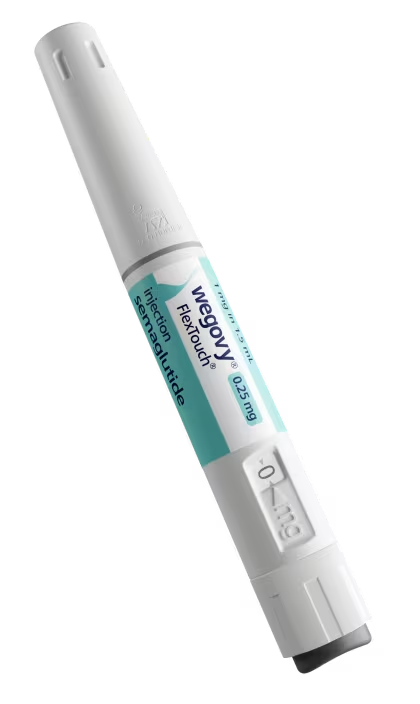
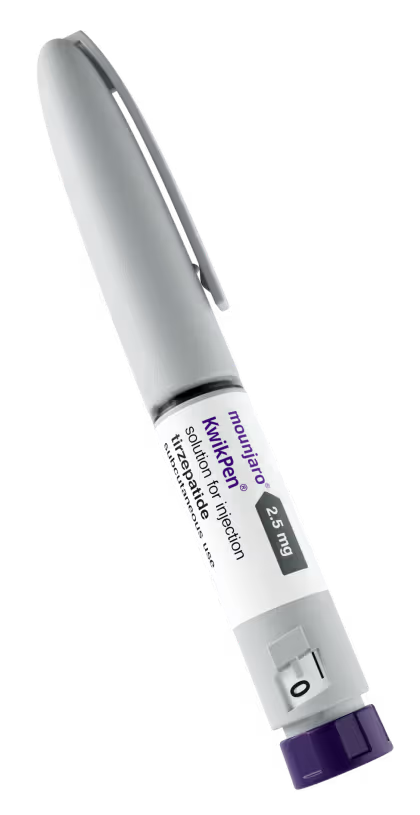
Totiva, as a registered UK online pharmacy, offers access to clinically proven weight loss medications like Wegovy and Mounjaro when appropriate. These treatments work alongside dietary changes to reduce appetite and support sustainable weight loss.
Our qualified pharmacists can assess your suitability for these treatments through our online consultation service, ensuring you receive personalised guidance based on your individual health profile.
Making Your Plan Sustainable#
The most effective weight loss diet plan is one that becomes a lifestyle rather than a temporary restriction. Focus on:
- Gradual changes: Implement 1-2 changes weekly rather than overhauling everything at once
- Flexibility: Allow for social occasions and preferences while maintaining overall healthy patterns
- Education: Understanding why certain foods support your goals helps with long-term adherence
- Professional support: Consider consulting a registered dietitian for personalised advice
Ready to see if treatment could work for you?
Getting Started Today#
Begin with small, manageable changes rather than attempting to follow every aspect perfectly from day one. Choose 3-4 meals from this plan that appeal to you, shop for those ingredients, and gradually expand your repertoire.
Remember, sustainable weight loss typically occurs at 0.5-1kg per week. Rapid weight loss often leads to muscle loss and nutritional deficiencies, making long-term maintenance more difficult.
Track your progress through measurements, energy levels, and how your clothes fit rather than relying solely on scales, which can fluctuate due to various factors unrelated to fat loss.
By combining evidence-based nutrition principles with practical meal planning and appropriate professional support when needed, you can achieve sustainable weight loss that improves both your health and quality of life.
Medical Information: This article is for informational purposes only and does not constitute medical advice. Always consult a qualified healthcare professional before starting, stopping, or changing any treatment.