GLP-1 Medications and Vision: Separating Fact from the Headlines
Seen alarming headlines about Wegovy or Mounjaro and your eyesight? Here's what the research actually shows, and when to seek help.
Written and medically reviewed by:

Key Takeaways
Serious eye side effects from Wegovy and Mounjaro are rare. Temporary blurred vision in the first few weeks is common and usually harmless. Sudden vision loss needs same-day emergency attention.
Serious eye side effects from GLP-1 medications like Wegovy and Mounjaro are rare. That's the honest summary. But because the nuance matters, and because some of the headlines circulating in 2025 have been genuinely alarming, it's worth unpacking what the research actually shows, who faces any real risk, and what symptoms should prompt urgent action.
What's driving the concern?#
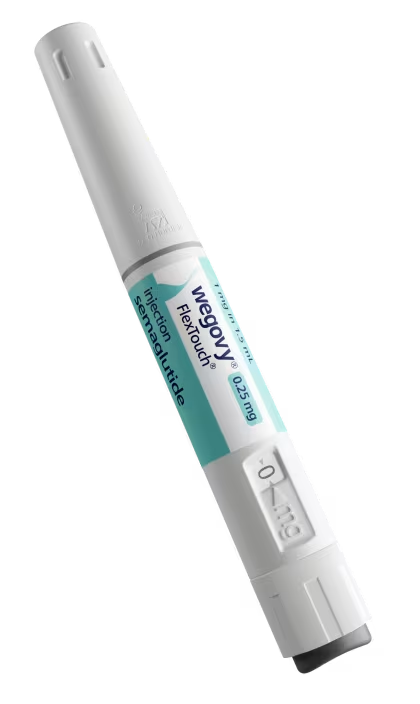
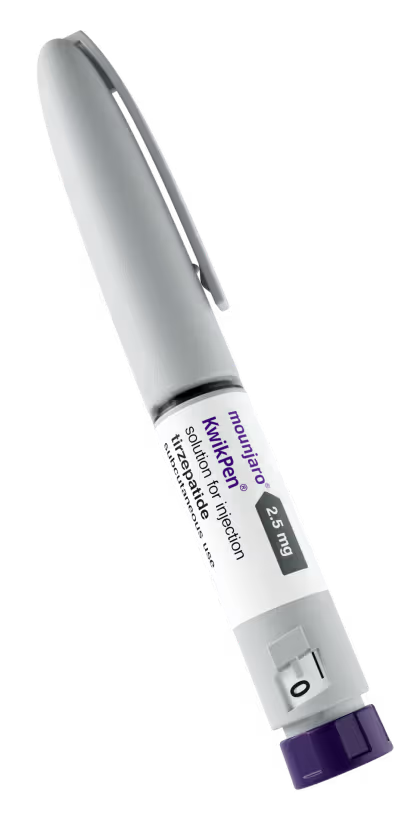
GLP-1 receptor agonists (semaglutide in Wegovy and Ozempic, tirzepatide in Mounjaro) are now among the most widely prescribed medications in the UK. With that scale of use comes greater pharmacovigilance, and researchers are understandably paying close attention to any signals that emerge.
Several studies published in 2024 and 2025 investigated possible links between GLP-1 medications and specific eye conditions. Regulatory bodies including the European Medicines Agency (EMA) and the World Health Organization (WHO) have weighed in. None of them recommended stopping these treatments, but the topic is now firmly on the radar.
If you're currently taking Wegovy, Mounjaro, or Ozempic, or considering starting a weight loss injection, here is what you actually need to understand.
Temporary blurred vision in the early weeks#
The most common eye-related complaint among GLP-1 users is temporary blurred vision in the first few weeks of treatment. This is nearly always benign and has two straightforward explanations.
First, GLP-1 medications lower blood sugar, and rapid changes in glucose levels can temporarily alter the shape of the lens inside your eye. This affects focus and can cause mild blurring. It settles as your blood sugar stabilises, usually within a few weeks.
Second, GLP-1s reduce your appetite and, less obviously, your sense of thirst. Many people on these medications drink less than they realise. Dehydration dries the ocular surface, leading to blurry or fluctuating vision. Aiming for around 2 litres of fluid per day and keeping preservative-free lubricating eye drops to hand can help considerably. If you wear contact lenses, this is particularly worth noting: dry eye affects lens comfort and vision quality more noticeably, so you may want to switch to glasses during the adjustment period.
Three eye conditions researchers have been studying#
Diabetic retinopathy#
Diabetic retinopathy is damage to the tiny blood vessels at the back of the eye caused by chronically elevated blood sugar. It affects people with diabetes, not the general population.
What can happen when blood sugar improves rapidly (as it does with effective diabetes treatment, including GLP-1s) is a paradoxical short-term worsening of retinopathy. The mechanism is thought to involve sudden shifts in blood flow and metabolic stress on already-compromised retinal vessels. This isn't unique to GLP-1s. It has been documented with insulin and other effective glucose-lowering therapies.
In the SUSTAIN-6 trial of semaglutide in people with type 2 diabetes, diabetic retinopathy complications were reported in 4.0% of the semaglutide group versus 2.7% of the placebo group. Wegovy's prescribing information classifies diabetic retinopathy as a common side effect in people with type 2 diabetes, meaning it can affect at least 1 in 100 diabetic users.
For Mounjaro (tirzepatide), new retinopathy events in the SURPASS trials were at or below 1%, though people with moderate or severe pre-existing retinopathy were largely excluded from those studies.
The practical implication: if you have type 2 diabetes and are starting a GLP-1, tell your GP and make sure you are enrolled in the NHS diabetic eye screening programme, which offers annual retinal photography. If you already have retinopathy, speak to your eye specialist before starting treatment. They may want a baseline examination and more frequent check-ins in the first six months.
NAION (non-arteritic anterior ischaemic optic neuropathy)#
NAION is a condition where reduced blood flow to the optic nerve causes sudden, usually painless vision loss in one eye. It is rare in the general population and can affect anyone with certain vascular risk factors (high blood pressure, diabetes, obstructive sleep apnoea, smoking).
In June 2025, the EMA's Pharmacovigilance Risk Assessment Committee concluded that NAION is a very rare side effect of semaglutide (covering Ozempic, Rybelsus, and Wegovy). The WHO issued a parallel statement the same month. The MHRA, which regulates medicines in the UK post-Brexit, monitors these EMA decisions and would act independently if it identified additional UK-specific concerns.
So what does the evidence actually show?
A specialist eye clinic study found more NAION cases in people prescribed semaglutide compared with matched patients on other medications. However, these were already referred patients, which skews the numbers significantly.
A larger study of 159,398 people with type 2 diabetes found NAION in 0.04% of GLP-1 users versus 0.02% in those on other diabetes medications over two years. That doubled relative risk sounds dramatic, but in absolute terms it represents a tiny difference.
The largest analysis to date, published in the British Journal of Ophthalmology in 2025, examined 31,774 semaglutide reports globally. Only 85 involved any optic nerve condition. Importantly, Wegovy showed a stronger association than Ozempic, which researchers believe relates to Wegovy's higher dose (2.4mg versus up to 2mg for Ozempic). Mounjaro (tirzepatide) showed no increased risk of NAION.
Wegovy's licensed dose recently increased to a maximum of 7.2mg via a new titration schedule, but data on whether this affects NAION risk is not yet available.
For non-diabetic users: your absolute risk of NAION remains very low. You do not need additional eye appointments beyond your usual routine checks. If you have known risk factors such as high blood pressure, a small optic disc (a structural factor your optician can identify), or a personal history of vascular conditions, it is worth mentioning to your prescriber.
Wet AMD (neovascular age-related macular degeneration)#
Wet AMD is a condition where abnormal blood vessels grow under the retina and leak, damaging central vision. It primarily affects people over 65.
A 2025 study of 139,002 older adults with diabetes found wet AMD in 0.2% of GLP-1 users compared with 0.1% of non-users. As a retrospective observational study, it cannot prove causation. The absolute difference amounts to roughly 1 extra case per 1,000 people, and there may be confounding factors that explain the difference. Wet AMD is treatable with anti-VEGF injections when caught early, which is another reason routine eye checks matter.
What to tell your optician#
This is a practical question many people on GLP-1s haven't thought to ask. Yes, you should tell your optician at your next routine eye test that you are on a GLP-1 medication. Mention the specific drug name (Wegovy, Mounjaro, Ozempic) and how long you have been taking it.
Your optician can check your optic disc appearance (relevant to NAION risk), assess dry eye and ocular surface health, and flag any early changes to the retina. High-street opticians including those at Specsavers or Vision Express offer NHS-funded eye tests to eligible patients and can be an accessible first port of call for non-emergency concerns, without needing an urgent GP or A&E visit.
If you are diabetic and take Mounjaro through a private prescription (which is common in the UK given Mounjaro's current availability through private and online routes), do not assume that your NHS diabetic eye screening will automatically be flagged. Make sure your GP is aware you are taking a GLP-1 so your screening record is properly maintained.
Symptoms that need urgent attention#
Knowing which symptoms are genuinely urgent matters. Do not wait for a routine appointment if you experience any of the following.
Seek same-day emergency care (Eye Emergency Department or NHS 111, also available via the online symptom checker at 111.nhs.uk):
- Sudden loss of vision in one or both eyes
- A dark shadow or curtain across part of your vision
- A sudden shower of new floaters, especially with flashing lights
- Severe eye pain, particularly if combined with headache or nausea
Book an urgent appointment within 24-48 hours (optician or eye clinic):
- Persistent new blurring that has not settled after a few days
- Vision that is gradually worsening over hours or days
- Noticeably worse night vision that is new for you
Once you have arranged eye care, contact whoever prescribed your GLP-1. If you obtained Wegovy or Mounjaro through an online pharmacy without a regular GP relationship, this matters: you should still have access to a prescribing clinician who can advise whether to pause further doses while your eyes are assessed.
Got questions? Speak to a pharmacist on WhatsApp now
Prefer to browse first? View treatments
A note on driving#
This is a specifically UK concern that is rarely mentioned in general coverage of GLP-1 eye risks. If you experience sudden vision loss or a significant change in vision while taking a GLP-1, you have a legal obligation under DVLA rules not to drive until you have been formally assessed and cleared. The DVLA requires drivers to notify them of any condition that affects their vision. A sudden, unexplained loss of vision in one eye falls under this requirement. If you are unsure whether your vision meets the required standard, stop driving and seek assessment.
The Mounjaro picture specifically#
Given that Mounjaro is currently the dominant weight loss injection in the UK, with significant demand through both NHS pilots and private prescribing, it is worth being direct about its eye risk profile. Based on current evidence, tirzepatide (Mounjaro) does not appear to carry the same NAION association as semaglutide. The large global pharmacovigilance analysis found no increased risk. The diabetic retinopathy picture is similar to other effective glucose-lowering treatments. This is reassuring data, though longer-term post-market studies are still ongoing.
Is GLP-1 treatment still the right choice?#
For the overwhelming majority of people, yes. The benefits of these medications in terms of weight reduction, cardiovascular risk reduction, and blood sugar management are well-established and substantial. The eye risks, while real and worth monitoring, remain rare in absolute terms.
The important thing is that you are monitored properly, that you mention your medication to your optician and GP, and that you know which symptoms require urgent action.
If you are considering starting a GLP-1 treatment and have pre-existing eye conditions or significant vascular risk factors, a thorough consultation before starting is genuinely worthwhile. At Totiva, consultations are led by UK-registered pharmacists and clinicians who can review your medical history, discuss your individual risk profile, and help you decide whether Wegovy or Mounjaro is appropriate for you. If you are ready to explore your options, you can start a weight loss consultation here.
Medical Information: This article is for informational purposes only and does not constitute medical advice. Always consult a qualified healthcare professional before starting, stopping, or changing any treatment.