Weight Loss Injection Side Effects: A Dose-by-Dose Timeline
Nausea, bloating, fatigue - what actually happens when you start Wegovy or Mounjaro, and how side effects change as your dose increases.
Written and medically reviewed by:

Key Takeaways
Most side effects from Wegovy or Mounjaro are digestive and peak during dose increases, then settle. Hair shedding is usually from rapid weight loss, not the medication itself. Severe abdominal pain or mood changes need prompt medical attention.
Starting a weight loss injection like Wegovy or Mounjaro raises a lot of questions, and side effects are usually top of the list. The good news is that most people tolerate these medications well once they get through the initial adjustment period. But understanding what to expect at each stage of treatment makes that adjustment considerably easier.
This guide focuses specifically on the GLP-1 and dual GLP-1/GIP injectable treatments licensed in the UK for weight management: semaglutide (Wegovy) and tirzepatide (Mounjaro). It covers what side effects typically occur, when they tend to peak, how they change as your dose increases, and what to do if something feels more serious.
How these medications cause side effects#
Both Wegovy and Mounjaro work by mimicking gut hormones that signal fullness to the brain and slow gastric emptying, meaning food moves through your stomach more slowly than usual. This is exactly what makes them effective for weight loss, but it is also why most of the side effects are digestive in nature.
When your stomach empties more slowly, you feel full sooner, eat less, and lose weight. The flip side is that food sitting in your stomach longer can cause nausea, bloating, reflux, and constipation. These effects are not a sign that something has gone wrong; they are a direct consequence of the mechanism working as intended.
As your body adapts to each dose, these symptoms usually ease. That is why the dose escalation schedule for both medications is gradual: starting low and stepping up every four weeks gives your digestive system time to adjust.
Week 1 to Month 1: The adjustment phase#
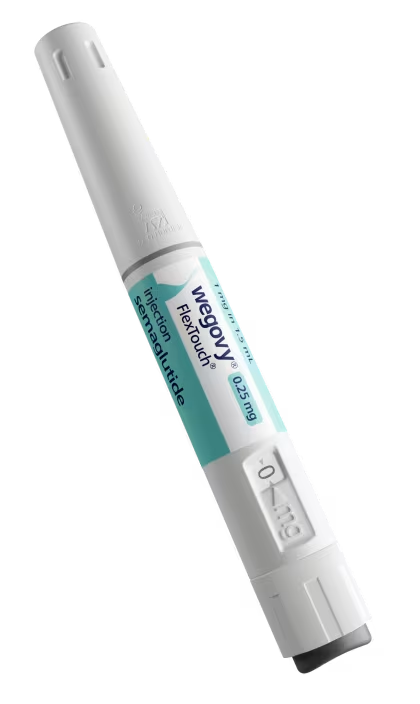
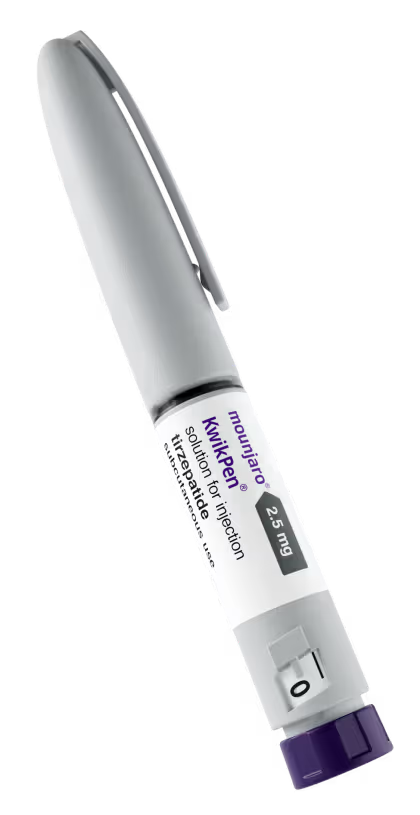
The first few weeks are typically when side effects are most noticeable. Most people starting Wegovy begin on 0.25mg weekly, and Mounjaro starts at 2.5mg weekly. These are sub-therapeutic doses, meaning they are not expected to produce significant weight loss yet. Their purpose is to let your body get used to the medication before moving to a higher dose.
Even so, some people experience symptoms from day one. The most commonly reported effects during this phase include:
- Nausea: The most frequent complaint. Clinical trials found that around 44% of people on semaglutide experienced nausea, and just over 20% of those on tirzepatide reported it. It is usually worst in the first couple of days after each injection and tends to ease by day three or four.
- Reduced appetite: This is partly the intended effect, but it can feel uncomfortable at first, particularly if you have been used to eating larger meals.
- Fatigue: Some people feel unusually tired during the first week or two. This may partly be related to eating less and your body adjusting to lower calorie intake.
- Mild digestive changes: Loose stools, constipation, or general bloating are all common. These symptoms vary considerably between individuals.
Practical tip: Eating smaller meals, avoiding fatty or spicy foods, and not lying down immediately after eating can significantly reduce nausea during this phase. Keeping meals bland and low in fat, particularly in the first few days after each injection, tends to help.
Month 1 to Month 3: Dose escalation#
After four weeks, most people move to a higher dose. For Wegovy, this means stepping up from 0.25mg to 0.5mg. For Mounjaro, from 2.5mg to 5mg. This is often where side effects resurface, even if the first month felt manageable.
Each dose increase can trigger a fresh wave of digestive symptoms as the body adjusts again. This is expected and does not mean you are intolerant to the medication. However, it is worth being prepared for it.
Common experiences during this phase include:
- Return of nausea: Usually milder than the initial phase, but still present for some people in the first week after each dose increase.
- Constipation becoming more pronounced: As doses increase, gastric emptying slows further. Staying hydrated and maintaining fibre intake is important. Soluble fibre from oats, lentils, and vegetables can help without worsening bloating.
- Injection site reactions: Redness, bruising, mild swelling, or itching at the injection site are not uncommon. Rotating between different sites on your abdomen, thighs, or upper arms reduces the chance of localised reactions. If you notice a firm lump that does not resolve, speak to a pharmacist.
- Reflux or heartburn: Delayed gastric emptying increases pressure in the stomach, which can push acid into the oesophagus. Avoiding large meals, eating slowly, and raising the head of your bed slightly can help.
Most people are on a maintenance dose (typically 2.4mg for Wegovy or between 5mg and 15mg for Mounjaro) by around month five or six, depending on their individual response and tolerability.
Month 3 to Month 6: Finding your maintenance dose#
By this stage, many people find their side effects have settled considerably. The body has had time to adapt, and the gastrointestinal disruption of the early months is usually much reduced. Weight loss is often most noticeable during this window, which can bring its own set of secondary effects.
One side effect that sometimes appears at this stage, and is frequently searched online, is hair shedding. This is not caused by the medication directly. It is most likely a condition called telogen effluvium, where physical or nutritional stress triggers a temporary shift in the hair growth cycle. Rapid weight loss, insufficient protein intake, or micronutrient deficiencies (particularly iron and zinc) are the usual culprits. Hair typically regrows within three to six months once weight stabilises and nutrition is adequate.
Other things people notice during this phase:
- Muscle loss alongside fat loss: This is a real concern with rapid weight loss from any cause. Getting enough protein (most guidelines suggest at least 1.2g per kilogram of body weight) and doing resistance exercise helps preserve muscle mass.
- Changes in appetite patterns: Some people describe food aversion or a general disinterest in eating. If this is affecting your nutrition significantly, it is worth raising with your prescriber.
- Mood changes: Emerging evidence, including a 2023 review by the European Medicines Agency, prompted a safety review into reports of mood disturbances and suicidal ideation in people taking GLP-1 medications. The review concluded that the available data did not confirm a causal link, but patients experiencing significant changes in mood should speak to a clinician promptly.
Rare but serious side effects to know about#
The majority of people taking Wegovy or Mounjaro will only experience digestive symptoms. But there are rarer effects that warrant attention.
Pancreatitis: Both semaglutide and tirzepatide carry a warning about a possible increased risk of acute pancreatitis. Symptoms include severe, persistent pain in the upper abdomen that may radiate to the back, often accompanied by nausea and vomiting. This requires emergency medical attention.
Gallbladder problems: Rapid weight loss of any kind increases the risk of gallstones, and GLP-1 medications may add to this. Upper right abdominal pain, especially after eating fatty meals, can be a sign and should be assessed by a doctor.
Tachycardia: Some people notice their heart rate is elevated, particularly early in treatment. This is usually mild, but if you experience a persistently fast or irregular heartbeat, seek medical advice.
Allergic reactions: Rare, but any swelling of the face, lips, or throat, or difficulty breathing, requires immediate attention.
Got questions? Speak to a pharmacist on WhatsApp now
Prefer to browse first? View treatments
When to push through versus when to stop#
This is one of the most anxious gaps in patient information, and it deserves a direct answer.
Generally safe to push through with support:
- Mild to moderate nausea that improves within a few days of each dose
- Constipation or loose stools that respond to dietary adjustments and hydration
- Fatigue in the first week after a dose increase
- Injection site redness or bruising that resolves within a few days
- Mild heartburn managed with dietary changes
Speak to your prescriber before continuing:
- Nausea severe enough to prevent you eating or drinking adequately
- Vomiting that persists for more than 24-48 hours
- Side effects that have not improved after four weeks on the same dose
- Hair loss causing visible thinning (rule out nutritional deficiencies)
- Any mood changes, including persistent low mood or anxiety
Stop and seek medical attention:
- Severe upper abdominal pain (possible pancreatitis)
- Signs of an allergic reaction
- Persistent rapid or irregular heartbeat
- Any symptoms that feel serious or that you are uncertain about
If you are unsure whether what you are experiencing warrants pausing your medication, a pharmacist can often give you useful guidance quickly, particularly outside GP hours.
What happens when you stop#
Weight regain after stopping GLP-1 medications is a real and well-documented phenomenon. Without the hormonal signalling these drugs provide, appetite typically returns to baseline levels. Studies following patients after stopping semaglutide found that most regained a significant proportion of the weight lost within a year.
This does not mean stopping is always the wrong decision, but it does highlight that these medications work best as part of a broader lifestyle approach rather than as a short-term fix. Pairing them with a sustainable diet and regular physical activity, particularly strength training, gives you the best chance of maintaining results after the medication ends.
Abrupt stopping due to supply issues, which has affected both Wegovy and Ozempic in the UK in recent years, can cause rapid return of appetite. If you are in this position, speak to your prescriber rather than simply stopping without a plan.
Reporting side effects in the UK#
The MHRA's Yellow Card scheme is the official mechanism for reporting suspected side effects from any medication in the UK. You can report directly as a patient at yellowcard.mhra.gov.uk. It takes around ten minutes and contributes to ongoing post-market safety surveillance. Reporting unusual or unexpected symptoms, even if you are not sure they are related to the medication, is genuinely useful.
Ready to see if treatment could work for you?
Getting started with weight loss treatment#
If you are considering Wegovy or Mounjaro and want to understand whether they are suitable for you, Totiva offers pharmacist-led online consultations for weight loss treatment. The process starts with a free consultation, and because these are injectable GLP-1 medications, a short video call with a clinician is required before your first prescription. This is a UK regulatory requirement designed to ensure the treatment is appropriate for you.
You only pay if you are approved for treatment, and there is no subscription commitment. If you are ready to take the next step, you can start a weight loss consultation with Totiva at a time that suits you.
Medical Information: This article is for informational purposes only and does not constitute medical advice. Always consult a qualified healthcare professional before starting, stopping, or changing any treatment.