Eating on Weight Loss Injections During a Heatwave
Too hot to cook and your appetite has vanished on Wegovy or Mounjaro? Here's how to protect your muscles and stay safe this summer.
Written and medically reviewed by:

Key Takeaways
Heat suppresses appetite further on GLP-1 medications like Wegovy and Mounjaro. Focus on cold, no-cook high-protein foods, stay properly hydrated, and keep your injection pens stored below 30°C.
If you're on Wegovy or Mounjaro and the temperature has climbed above 25°C, there's a good chance you've stopped feeling hungry altogether. That's not unusual. GLP-1 medications already suppress appetite significantly, and heat tends to suppress it further. The risk is that you end up barely eating for days at a stretch, and while that might sound like a shortcut, it can quietly cost you muscle mass you'll struggle to rebuild.
The good news is that eating well during a heatwave on weight loss jabs doesn't mean forcing down hot meals. It means being smarter about what you eat, not how much.
Why protein matters more than ever in hot weather#
When you're eating less overall, which is the whole point of GLP-1 medications like semaglutide (Wegovy) and tirzepatide (Mounjaro), your body needs enough protein to preserve lean muscle. Without it, weight loss can include muscle breakdown alongside fat loss. That matters because muscle is what keeps your metabolism ticking over, your energy levels stable, and your body strong enough to stay active.
Research consistently shows that higher protein intake during calorie restriction helps preserve lean mass. A commonly cited target for people on GLP-1 medications is around 1.2–1.6g of protein per kilogram of body weight per day. So if you weigh 90kg, you're aiming for roughly 108–144g of protein daily, ideally spread across several small meals rather than one big one.
Heat doesn't change that target. If anything, it makes it harder to hit, because the last thing most people want on a sweltering afternoon is a chicken breast or a bowl of lentils.
If you're exploring weight loss treatment options or already on a GLP-1 medication, Totiva's weight loss service includes pharmacist-led consultations to help you get the most from your treatment, including practical guidance on nutrition.
No-cook, high-protein foods that actually work in summer#
The key is building meals from foods that require zero cooking, come straight from the fridge, and still deliver a decent protein hit. Here are some practical options:
- Greek yoghurt (0% fat, plain): around 10g protein per 100g. Eat it with berries or a spoonful of nut butter.
- Cottage cheese: roughly 11–12g protein per 100g. Works well with cucumber, cherry tomatoes, or oatcakes.
- Tinned tuna or salmon: around 24–25g protein per 100g drained. Mix with a little olive oil and lemon juice, serve on lettuce leaves.
- Hard-boiled eggs: 6g protein per egg. Batch-cook them in the evening when it's cooler and keep them in the fridge all week.
- Cooked prawns: about 20g protein per 100g. Eat cold with avocado or a light dressing.
- Edamame: around 11g protein per 100g. Buy them frozen, defrost, and eat with a pinch of sea salt.
- Skyr or high-protein yoghurt pouches: convenient, require no preparation, and can be frozen into lollies if even eating feels like too much effort.
If you can manage a cold smoothie, blending a scoop of unflavoured protein powder with frozen berries, milk (or a plant-based alternative), and a banana is a straightforward way to get 20–30g of protein without touching the hob.
Hydration risks for GLP-1 users in hot weather#
This is where things get genuinely important from a safety perspective. GLP-1 medications slow gastric emptying and can reduce how much you eat and drink without you noticing. In warm weather, that creates a real dehydration risk.
The NHS recommends drinking at least 6–8 glasses of fluid a day under normal conditions. In hot weather, that needs to go up. Water-rich foods like melon, cucumber, strawberries and grapes all contribute, but they won't replace adequate fluid intake on their own.
A few things worth knowing:
- Alcohol dehydrates you. On a GLP-1, when your fluid intake from food is already lower than normal, drinking alcohol in hot weather is particularly risky. It's not just about calories.
- Caffeinated drinks have a mild diuretic effect. They count towards fluid intake but are not as effective as water.
- Sugar-free electrolyte drinks (look for ones with sodium, potassium and magnesium) can help if you've been sweating a lot or feeling lightheaded.
If you're feeling dizzy, have a dry mouth, or notice dark urine, drink water immediately and rest in a cool space. These can be signs of dehydration that may be worsened by your medication.
Got questions? Speak to a pharmacist on WhatsApp now
Prefer to browse first? View treatments
Storing your Wegovy or Mounjaro pen safely in summer#
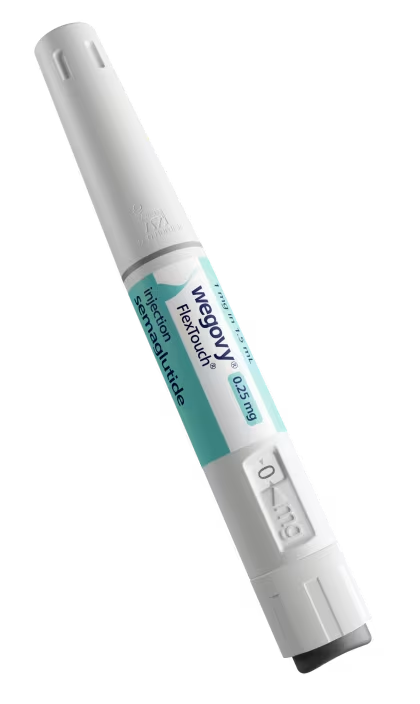
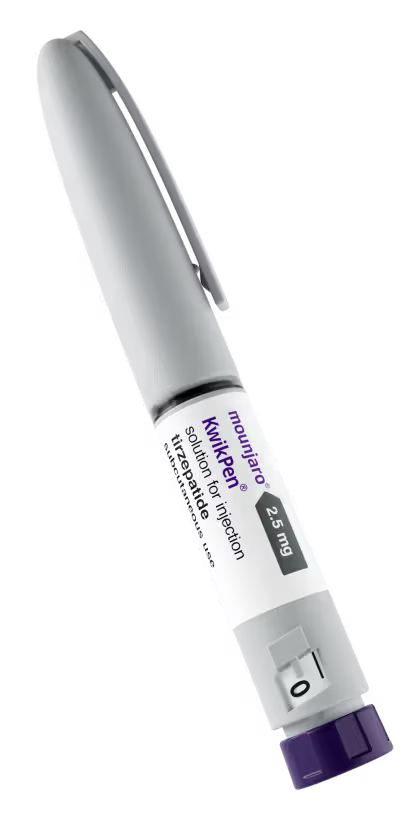
This is a point that rarely gets mentioned, and it should. Both Wegovy and Mounjaro pens must be stored below 30°C. In a UK heatwave, that threshold is easier to breach than you'd think, particularly in cars, south-facing rooms, or anywhere near a window.
If a pen has been exposed to temperatures above 30°C, it may have degraded, even if it looks fine. The MHRA recommends storing injectable GLP-1 medications in a refrigerator (2–8°C) until first use, after which Wegovy can be kept at room temperature below 30°C for up to 28 days, and Mounjaro similarly.
During a heatwave:
- Keep pens in the fridge if your home is consistently above 25°C.
- Never leave them in a car, even briefly.
- Avoid the bathroom cabinet, which can get warm and humid.
- If you're unsure whether a pen has been heat-damaged, contact your prescribing pharmacy before using it.
When to get advice#
Most people manage a heatwave on GLP-1 medications without any serious problems, provided they stay hydrated and keep protein intake up. But there are situations where it's worth contacting a healthcare professional:
- Nausea that is significantly worse than usual and preventing you from drinking fluids
- Vomiting that lasts more than 24 hours
- Dizziness, fainting, or confusion
- Signs of dehydration that don't resolve after rehydrating
Nausea can be amplified by heat, particularly in the early weeks of treatment when your body is still adjusting to the medication. If side effects feel unmanageable, your prescribing clinician may be able to adjust your dose or offer advice on timing your injection differently.
At Totiva, our pharmacist-led consultations are available online, so you don't need to wait for a GP appointment if something doesn't feel right. You can start a weight loss consultation and get clinical support from a UK-registered pharmacist at a time that suits you.
Medical Information: This article is for informational purposes only and does not constitute medical advice. Always consult a qualified healthcare professional before starting, stopping, or changing any treatment.