The Real Cons of Taking Ozempic: Side Effects, Risks and Who Should Avoid It
Ozempic works well for type 2 diabetes and weight loss, but it comes with real downsides. Here's an honest look at the side effects, risks and limitations.
Written and medically reviewed by:

Key Takeaways
Ozempic commonly causes nausea, vomiting and diarrhoea, particularly early on. Serious but rare risks include pancreatitis, retinopathy complications and kidney problems. It's not suitable during pregnancy, for type 1 diabetes, or for people with certain thyroid conditions.
Ozempic gets a lot of attention, and for good reason. The clinical evidence behind semaglutide is genuinely impressive, with meaningful reductions in HbA1c, significant weight loss, and cardiovascular benefits for people with type 2 diabetes. But no medication is without its drawbacks, and Ozempic is no exception.
If you're weighing up whether Ozempic is right for you, understanding the full picture matters. Here's an honest breakdown of the cons, covering everything from everyday side effects to serious risks and who shouldn't be taking it at all.
How Ozempic Works (Briefly)#
Ozempic contains semaglutide, a GLP-1 receptor agonist. It mimics a hormone your gut naturally releases after eating, which stimulates insulin secretion, suppresses glucagon, and slows down how quickly your stomach empties. The net effect is better blood sugar control and, in most people, reduced appetite.
It's given as a once-weekly subcutaneous injection, starting at 0.25 mg for four weeks (purely to help your body adjust), then stepping up to 0.5 mg, and potentially to 1 mg or 2 mg depending on your response and tolerability.
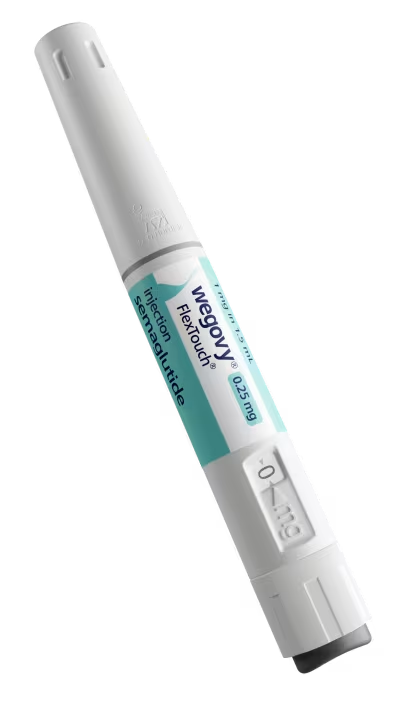
One important distinction worth flagging: Ozempic is licensed in the UK specifically for type 2 diabetes, not for weight loss. Wegovy (semaglutide at a higher 2.4 mg dose) is the product licensed for weight management. Many people don't realise this, and it matters for NHS eligibility.
The Most Common Side Effects#
The side effects you're most likely to experience with Ozempic are gastrointestinal. Nausea is the most frequently reported, affecting roughly 15-20% of patients in clinical trials. Vomiting, diarrhoea, constipation, abdominal discomfort, and bloating are also common, particularly in the first few weeks or when the dose is increased.
For most people, these symptoms are temporary. They tend to peak during dose escalation and settle down over a few weeks as your body adapts. The gradual dose titration schedule built into the prescribing guidance exists precisely to reduce this discomfort.
That said, for some patients the nausea is persistent and genuinely debilitating. It can affect appetite to the point where eating properly becomes difficult, which creates its own problems. If you're struggling, there are practical strategies that help:
- Eating smaller meals and avoiding fatty or spicy food
- Having lighter meals in the evening if you inject at night
- Staying well hydrated, especially if you're experiencing vomiting or diarrhoea
- Giving it several weeks before deciding whether the side effects are manageable
Injection site reactions (redness, mild soreness, itching) also occur in some people. Rotating your injection sites between the abdomen, thigh, and upper arm reduces this risk. Headaches and fatigue are reported too, though less commonly.
What About Hair Loss?#
Hair shedding is a concern that comes up frequently with Ozempic and other GLP-1 medications. The hair loss associated with these drugs is typically telogen effluvium, a temporary shedding triggered by rapid weight loss or significant physiological change rather than a direct drug effect. Hair usually regrows once weight stabilises, but it can be distressing in the meantime. If this is something you're worried about, it's worth discussing with your prescriber before starting treatment.
Psychological Side Effects#
This is an area that's received serious regulatory attention. The MHRA and the European Medicines Agency (EMA) both conducted safety reviews into reports of suicidal ideation and self-harm thoughts in patients taking GLP-1 receptor agonists including semaglutide. As of the EMA's 2024 review, no causal link was established, though the review concluded that monitoring remains appropriate. If you have a history of depression, anxiety, or mental health difficulties, this is something to discuss with your GP before starting Ozempic.
Serious Risks Worth Knowing About#
Beyond the common side effects, there are several serious but less frequent risks associated with Ozempic.
Pancreatitis#
Acute pancreatitis has been reported with GLP-1 receptor agonists as a class. The absolute risk is low, but the condition is serious. Symptoms include severe, persistent abdominal pain that may radiate to the back, often accompanied by nausea and vomiting. If you experience this, stop taking Ozempic and seek urgent medical attention. Anyone with a history of pancreatitis needs a careful risk-benefit discussion before starting this medication.
Diabetic Retinopathy Complications#
The SUSTAIN-6 cardiovascular outcomes trial found a higher rate of retinopathy complications in the semaglutide group compared to placebo. This is thought to be related to rapid improvements in blood glucose levels, which can paradoxically stress the retinal blood vessels in people with pre-existing eye disease. If you have diabetic retinopathy, your prescriber should arrange ophthalmological monitoring before and during treatment.
Thyroid Concerns#
Animal studies showed an increased incidence of thyroid C-cell tumours in rodents given semaglutide. Whether this translates to humans remains unclear, but the Ozempic SmPC carries a warning as a precaution. Ozempic is contraindicated in anyone with a personal or family history of medullary thyroid carcinoma or Multiple Endocrine Neoplasia type 2 (MEN 2). Any new lump in the neck, persistent hoarseness, or difficulty swallowing should be reported to your GP.
Kidney Problems#
Acute kidney injury has been reported, usually as a secondary effect of severe dehydration caused by vomiting or diarrhoea rather than a direct effect on the kidneys. People with existing renal impairment (particularly eGFR below 15 mL/min/1.73m²) need close monitoring, especially during periods of significant gastrointestinal upset.
Gallbladder Issues#
Gallstones and gallbladder inflammation occur more frequently in people on GLP-1 medications. This is largely attributed to rapid weight loss rather than the drug itself, but it's a risk to be aware of. Symptoms include sudden, severe pain in the upper right abdomen, sometimes radiating to the right shoulder.
Hypoglycaemia Risk with Other Medications#
Ozempic on its own has a low risk of causing hypoglycaemia because it stimulates insulin in a glucose-dependent way. However, if you're also taking insulin or a sulfonylurea (such as gliclazide), the combination significantly increases that risk. Dose reductions of those other medications are usually needed when starting semaglutide.
A Note on Gastroparesis#
Because Ozempic slows gastric emptying, there are emerging concerns about its use in people who already have delayed gastric emptying (gastroparesis). If this applies to you, Ozempic is generally not recommended.
Who Shouldn't Take Ozempic#
Ozempic is not suitable for everyone, and these aren't just cautious disclaimers. The contraindications are clinically significant.
Pregnancy and breastfeeding: Ozempic should not be used during pregnancy or while breastfeeding. Women of childbearing potential are advised to use effective contraception throughout treatment and to stop semaglutide at least two months before trying to conceive, given the drug's long half-life.
Type 1 diabetes: Ozempic is not licensed for type 1 diabetes and should not be used for it.
Under 18s: Safety and efficacy in children and adolescents has not been established.
Severe gastrointestinal disease: Including inflammatory bowel disease or confirmed gastroparesis, as Ozempic is likely to worsen symptoms.
History of medullary thyroid carcinoma or MEN 2: Contraindicated due to the thyroid C-cell tumour findings in animal studies.
Severe allergic reaction to semaglutide: Any prior hypersensitivity to semaglutide or any ingredient in the formulation.
Elderly patients over 75 aren't strictly contraindicated, but clinical trial data in this age group is limited. The risk of dehydration and renal complications from gastrointestinal side effects may be higher, so more careful monitoring is warranted.
If you're on warfarin, it's worth knowing that semaglutide may affect how your body handles the drug. INR monitoring is recommended when starting or changing the dose.
The Ozempic Shortage in the UK#
This is a practical issue that affects real patients. Demand for semaglutide has dramatically outpaced supply globally, and the UK has been significantly affected. The MHRA and NHS England issued guidance restricting new Ozempic prescriptions for weight management (as opposed to type 2 diabetes) during periods of shortage, precisely because off-label use was displacing supply from people who needed it for their diabetes.
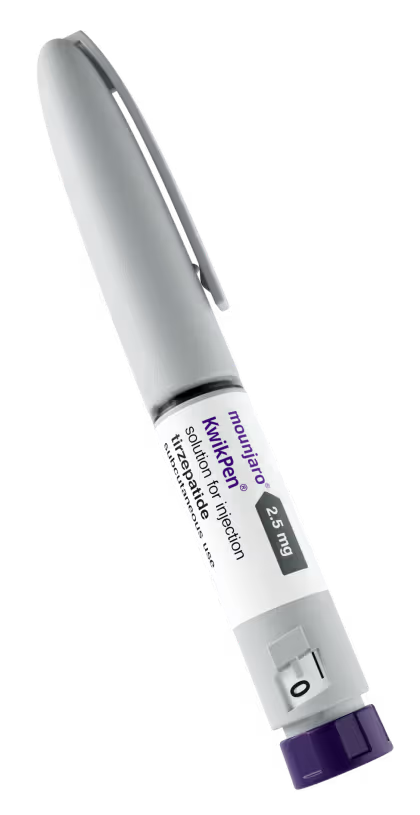
If you're currently prescribed Ozempic and struggling to get it, it's worth speaking to your pharmacist or GP about alternatives. Other GLP-1 medications licensed for type 2 diabetes in the UK include liraglutide (Victoza) and dulaglutide (Trulicity). For weight management specifically, Wegovy (semaglutide 2.4 mg) and Mounjaro (tirzepatide) are both now available through appropriate prescribing routes. You can find out more about the weight loss treatments Totiva offers at /services/weight-loss.
Got questions? Speak to a pharmacist on WhatsApp now
Prefer to browse first? View treatments
What Happens When You Stop Ozempic?#
This is one of the most commonly searched questions about semaglutide, and the honest answer is that most of the weight lost tends to come back after stopping. Research from the STEP 4 trial showed that patients who discontinued semaglutide regained a substantial proportion of the weight they had lost within a year. Blood sugar control also typically worsens again in people with type 2 diabetes.
This doesn't mean Ozempic isn't worth taking. But it does mean going in with realistic expectations. It's an ongoing treatment, not a short course.
Balancing the Pros and Cons#
For people with type 2 diabetes who meet NICE NG28 criteria, the benefits of Ozempic are well-documented. HbA1c reductions of 1.0-1.5% or more, meaningful weight loss, and cardiovascular protection (as shown in the SUSTAIN-6 trial) are clinically significant outcomes. The side effect profile, whilst real, is manageable for most people with good support and a gradual titration approach.
That said, this isn't a decision to take lightly. The gastrointestinal side effects put some people off entirely, the injection element doesn't suit everyone, and the serious risks (pancreatitis, retinopathy complications, thyroid concerns) require proper assessment of your individual history before starting.
Shared decision-making with a clinician who knows your full medical picture is essential. A 10-minute GP appointment often doesn't allow for this properly, which is where a pharmacist-led consultation can fill the gap.
If you're considering semaglutide for weight management and want to understand your options properly, Totiva's pharmacist-led consultations are a good starting point. The team can walk through your history, explain which treatments you're likely eligible for, and help you make an informed choice. You can start a weight loss consultation here.
Reporting Side Effects#
If you experience any side effects on Ozempic, you can report them directly to the MHRA via the Yellow Card scheme at yellowcard.mhra.gov.uk. This is especially important for serious or unexpected reactions, and helps build the UK's pharmacovigilance data on these medications.
Medical Information: This article is for informational purposes only and does not constitute medical advice. Always consult a qualified healthcare professional before starting, stopping, or changing any treatment.