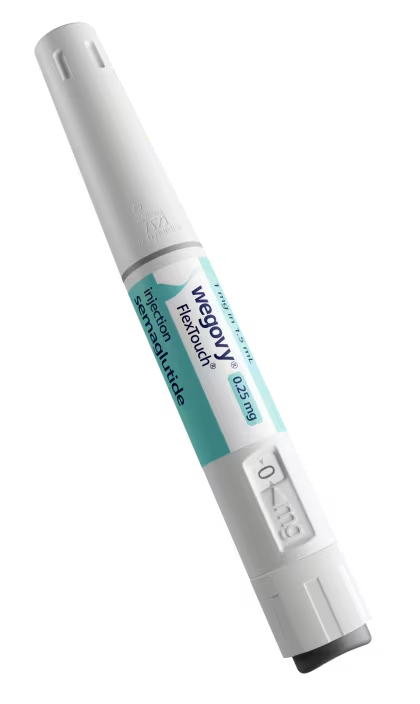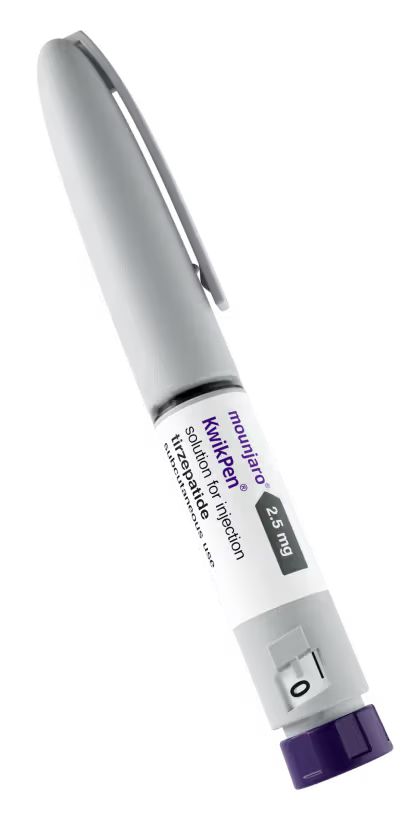
Best Fibre Supplements for GLP-1 Medications: Managing Constipation on Ozempic, Wegovy and Mounjaro
Constipation affects up to 46% of GLP-1 users. Discover which fibre supplements work best with Ozempic, Wegovy, and Mounjaro - plus safe dosing advice.
Written and medically reviewed by:

Key Takeaways
Psyllium husk works best for GLP-1 users, taken 2-3 hours away from injections. Start with half doses and increase gradually.
Best Fibre Supplements for GLP-1 Medications: Managing Constipation on Ozempic, Wegovy and Mounjaro#
Constipation is one of the most common side effects of GLP-1 medications, affecting up to 46% of people taking drugs like Ozempic, Wegovy, and Mounjaro. The right fibre supplement can make a significant difference, but not all types work equally well with these medications.
Psyllium husk supplements generally work best for GLP-1 users, offering gentle, sustained relief without interfering with the medication's blood sugar benefits. Methylcellulose-based options like Celevac are also effective and well-tolerated. However, timing and dosage matter - taking fibre supplements too close to your GLP-1 injection can reduce absorption.
Why GLP-1 Medications Cause Digestive Issues#
GLP-1 receptor agonists slow gastric emptying - the rate at which food moves from your stomach to your small intestine. This mechanism helps with weight loss and blood sugar control, but it also creates a perfect storm for digestive problems.
When food moves more slowly through your digestive system, more water gets absorbed from waste material in your colon. This leads to harder, drier stools that are difficult to pass. The effect is particularly pronounced during the first 8-12 weeks of treatment as your body adjusts to the medication.
Research published in Diabetes, Obesity and Metabolism found that constipation rates vary by GLP-1 medication:
- Semaglutide (Ozempic/Wegovy): 20-24% experience constipation
- Tirzepatide (Mounjaro): 19-22% report digestive issues
- Liraglutide (Saxenda): 26-29% develop constipation
The good news? These rates typically decrease after the initial adjustment period, especially with proper fibre management.
Types of Fibre Supplements That Work Best#
Soluble Fibre Supplements#
Psyllium Husk (Recommended)
Psyllium husk tops the list for GLP-1 users because it forms a gel-like consistency when mixed with water. This creates softer, easier-to-pass stools while also helping maintain stable blood sugar levels.
- Dosage: Start with 3.5g once daily, increase to twice daily if needed
- Timing: Take 2-3 hours before or after your GLP-1 medication
- UK brands: Fybogel, Ispagel, generic psyllium preparations
Methylcellulose
Methylcellulose supplements like Celevac work differently than psyllium. They don't ferment in the gut, making them gentler on sensitive stomachs - particularly useful if you're already dealing with GLP-1-related nausea.
- Dosage: 2-6 tablets daily with plenty of water
- Benefits: Less gas and bloating compared to other fibre types
- Timing: Can be taken closer to GLP-1 medications than psyllium
Insoluble Fibre Options#
Sterculia (Normacol)
Sterculia provides bulk without significant fermentation, making it another good option for those with sensitive digestion.
- Dosage: 1-2 sachets twice daily
- Best for: People who find psyllium too "heavy" or gas-producing
What to Avoid#
High-Fermentation Fibres
Avoid supplements high in fructo-oligosaccharides (FOS) or inulin if you're experiencing GLP-1-related nausea. These can increase gas production and worsen digestive discomfort.
Stimulant Laxatives
While not technically fibre supplements, avoid relying on stimulant laxatives like senna or bisacodyl. These can interfere with your natural bowel function and may worsen long-term digestive health.
Safe Dosing Guidelines#
Starting Protocol#
- Week 1-2: Begin with half the recommended dose
- Week 3-4: Increase to full recommended dose if well-tolerated
- Ongoing: Adjust based on response and bowel movement frequency
Hydration Requirements#
Fibre supplements require adequate water intake to work properly. Aim for:
- 250ml water per dose of psyllium or methylcellulose
- Additional 500ml throughout the day
- Monitor urine colour - aim for pale yellow
Timing Considerations#
For Weekly Injections (Ozempic, Wegovy, Mounjaro)
- Take fibre supplements at least 2 hours before or 4 hours after injection
- Maintain consistent daily timing regardless of injection day
For Daily Medications
- Space fibre supplements at least 2 hours from other medications
- Consider morning fibre dose if taking evening GLP-1 medication
Managing Side Effects and Interactions#
Common Initial Side Effects#
Gas and Bloating Normal during the first 1-2 weeks as your gut bacteria adjust. This typically resolves without intervention.
Mild Cramping Usually indicates too rapid an increase in fibre intake. Reduce dose temporarily and increase more gradually.
When to Seek Medical Advice#
- No bowel movement for more than 5 days
- Severe abdominal pain or cramping
- Blood in stool
- Persistent nausea or vomiting
- Signs of bowel obstruction
As a GPhC-registered pharmacy, Totiva can provide personalised advice about fibre supplements and potential interactions with your specific medications.
Medication Interactions#
Fibre supplements can affect the absorption of certain medications:
- Warfarin: Monitor INR more closely
- Digoxin: May need dose adjustments
- Thyroid medications: Take at least 4 hours apart
- Antibiotics: Space doses appropriately
Beyond Supplements: Dietary Fibre Sources#
While supplements provide targeted relief, incorporating natural fibre sources supports overall digestive health:
High-Fibre Foods That Work Well with GLP-1s#
- Berries: Lower in sugar, high in fibre
- Avocados: Healthy fats plus fibre
- Chia seeds: Add to yoghurt or smoothies
- Vegetables: Broccoli, Brussels sprouts, artichokes
Foods to Approach Cautiously#
- Beans and legumes: May increase gas production initially
- Prunes: High natural sugar content
- High-FODMAP vegetables: May worsen digestive symptoms
Got questions? Speak to a pharmacist on WhatsApp now
Prefer to browse first? View treatments
Monitoring Your Progress#
What to Track#
- Bowel movement frequency: Aim for every 1-2 days minimum
- Stool consistency: Use Bristol Stool Chart as reference
- Associated symptoms: Cramping, gas, nausea levels
- Blood sugar impact: Monitor if using glucose meter
Signs of Success#
- Regular bowel movements without straining
- Reduced bloating and discomfort
- Maintained blood sugar control
- Improved overall digestive comfort
UK-Specific Guidance and Availability#
NHS Recommendations#
The NHS generally recommends lifestyle modifications before medications for constipation. Their guidance suggests:
- Increased fluid intake
- Regular physical activity
- Gradual increase in dietary fibre
- Considering bulk-forming laxatives (fibre supplements) as first-line treatment
Prescription vs Over-the-Counter#
Most fibre supplements are available without prescription in the UK. However, some may be prescribed by your GP if:
- You have underlying digestive conditions
- Cost is a barrier to consistent use
- You need specific formulations not readily available OTC
Cost Considerations#
Generic psyllium preparations offer the best value, typically costing £3-8 per month. Branded options like Fybogel cost more but may be more palatable. Consider:
- Generic psyllium: Most cost-effective
- Fybogel sachets: Convenient, flavoured options
- Celevac tablets: No mixing required
Special Populations#
Diabetes Management#
For people using GLP-1s for type 2 diabetes, fibre supplements offer additional benefits:
- Improved post-meal blood sugar control
- Enhanced insulin sensitivity
- Reduced cardiovascular risk markers
Weight Loss Goals#
If you're using Wegovy or off-label Ozempic for weight management, proper fibre intake supports:
- Sustained satiety between meals
- Reduced food cravings
- Better adherence to calorie-controlled diets
Elderly Patients#
Older adults on GLP-1 medications need extra attention to:
- Adequate hydration (reduced thirst sensation)
- Drug interactions (often on multiple medications)
- Slower dose escalation to prevent complications
Ready to see if treatment could work for you?
Long-Term Management Strategies#
Successful long-term management involves more than just taking supplements:
Creating Sustainable Habits#
- Routine timing: Take supplements at the same time daily
- Meal planning: Include natural fibre sources in weekly menus
- Hydration tracking: Use apps or marked water bottles
- Regular review: Assess needs as GLP-1 doses change
Adjusting Over Time#
Your fibre needs may change as:
- GLP-1 doses increase or decrease
- Your body adapts to the medication
- Seasonal dietary changes occur
- Other health conditions develop
When Fibre Supplements Aren't Enough#
Sometimes additional interventions are needed:
Osmotic Laxatives#
Movicol or lactulose may be recommended alongside fibre if:
- Constipation persists despite adequate fibre intake
- Stools remain very hard
- You're at risk of faecal impaction
Prokinetic Medications#
In severe cases, medications that enhance gut motility might be prescribed, though this requires careful consideration of interactions with GLP-1 therapy.
Lifestyle Modifications#
- Physical activity: Even light walking aids digestion
- Stress management: Stress affects gut function
- Sleep hygiene: Poor sleep worsens digestive issues
The key to successfully managing constipation while on GLP-1 medications lies in finding the right combination of fibre type, timing, and dosage for your individual needs. Start conservatively, stay well-hydrated, and don't hesitate to seek professional guidance when needed.
Medical Information: This article is for informational purposes only and does not constitute medical advice. Always consult a qualified healthcare professional before starting, stopping, or changing any treatment.