Does Smoking Increase Testosterone? The Science Behind Nicotine and Hormone Health
Smokers sometimes show higher testosterone readings, but the full picture is more complicated. Here's what the research actually says about nicotine and your hormones.
Written by:

Medically reviewed by Callum Armstrong, MPharm, Independent Prescriber (IP)
Key Takeaways
Smoking doesn't boost testosterone in any useful way. It damages the cells and enzymes that produce testosterone, worsens erectile function through vascular harm, and elevated readings in smokers reflect a measurement quirk rather than genuine hormonal health. Quitting is the best intervention.
Smoking raises testosterone. It's one of those claims that circulates on fitness forums and gets repeated enough that it starts to sound credible. There's even a real study behind it. But like most oversimplified health claims, the headline doesn't tell the whole story.
The short answer is no: smoking does not increase testosterone in any way that benefits your health. In fact, the evidence points firmly in the opposite direction. Nicotine, whether from cigarettes, vapes, pouches, or patches, actively disrupts the systems your body uses to produce and use testosterone.
Here's a proper look at what the research actually shows.
Why Some Studies Show Smokers Have Higher Testosterone#
A cross-sectional study of 2,021 Chinese men found that smokers had significantly higher total testosterone (TT) and free testosterone (FT) levels compared to non-smokers, even after adjusting for age, BMI, and alcohol intake. On the surface, that sounds like good news for smokers.
But look closer and two things stand out. First, both total and free testosterone levels were negatively correlated with the amount of tobacco smoked. In other words, the heavier the smoker, the lower the testosterone. Second, the study itself called for more research to understand the biological mechanisms, because the associations didn't follow a straightforward pattern.
So why might lighter smokers show elevated testosterone readings? One explanation involves sex hormone-binding globulin (SHBG), a protein that binds to testosterone in the bloodstream, making it unavailable for the body to use. Nicotine appears to raise SHBG levels over time. When SHBG rises, total testosterone can appear higher on a blood test, but the bioavailable portion (the testosterone your cells can actually respond to) may be reduced.
In short: the number on the lab report looks better, but the functional hormonal picture is worse.
How Nicotine Damages Testosterone Production#
Beyond the SHBG effect, there are well-documented mechanisms through which nicotine directly harms testosterone production at a cellular level.
Leydig Cell Damage#
Testosterone is produced primarily in the Leydig cells of the testes. Laboratory studies have shown that nicotine and cotinine (the main metabolite of nicotine) can reduce testosterone output from Leydig cells by 50 to 70%. These aren't minor disruptions; they represent significant impairment of the body's primary testosterone-producing machinery.
Disrupted Enzyme Pathways#
Testosterone synthesis depends on a chain of enzymes that convert cholesterol into the hormone. Chronic nicotine exposure reduces the activity of several of these enzymes, including StAR (steroidogenic acute regulatory protein), 3beta-HSD, and CYP11A. These aren't obscure backups; they are essential steps in the steroidogenesis pathway. Reduce them, and testosterone production falls.
Autophagy and Cell Signalling#
Nicotine has also been shown to trigger autophagy (essentially programmed self-destruction) in Leydig cells, and to interfere with the TCL1-mTOR signalling pathway, which plays a role in hormone regulation. Both effects reduce the number of functional testosterone-producing cells over time.
Oxidative Stress in Testicular Tissue#
Smoking significantly increases oxidative stress throughout the body, including in the testes. This oxidative damage lowers intratesticular testosterone concentrations, harms sperm development, and degrades the overall environment in which testosterone production occurs.
Taken together, these four mechanisms paint a consistent picture. The occasional study showing higher testosterone in smokers reflects a measurement artefact (elevated SHBG skewing total testosterone readings) rather than any genuine hormonal benefit.
Not sure which treatment is right for you?
What About Different Nicotine Products?#
Most of the research on nicotine and testosterone focuses on cigarette smoking. The picture with other delivery methods is less clear, but there are some reasonable inferences to draw.
Vaping: E-cigarettes deliver nicotine without combustion products like carbon monoxide, but the nicotine itself still reaches the bloodstream. Given that nicotine is the primary agent causing Leydig cell damage and enzyme suppression, vaping is unlikely to be significantly safer for testosterone than smoking. Research in this area is still emerging.
Nicotine pouches and gum: These also deliver nicotine systemically. They avoid the respiratory harms of smoking, but the hormonal mechanisms described above (SHBG elevation, enzyme disruption, oxidative stress) are driven by nicotine itself, not by inhaled smoke.
Nicotine patches (NRT): Patches deliver a steadier, lower dose of nicotine than smoking. The same concerns apply in principle, though the reduced peak concentrations may mean less acute impact on Leydig cell function. NRT is still far preferable to continued smoking for overall health, and NHS Stop Smoking Services actively recommend it as part of a supported quit programme.
The takeaway here is that quitting nicotine entirely is the goal. But if you're using NRT to quit smoking, the hormonal downside is minimal compared to the benefits of stopping cigarettes.
Nicotine, Blood Flow, and Erectile Function#
Testosterone is only part of the picture when it comes to sexual health. Erections depend heavily on vascular function, and this is where smoking does some of its most direct damage.
Nicotine causes vasoconstriction, narrowing blood vessels and reducing blood flow throughout the body, including to the penis. The mechanism for achieving and maintaining an erection requires good endothelial function and sufficient blood flow. Chronic smoking accelerates endothelial dysfunction, damages arterial walls, and raises the risk of atherosclerosis, all of which directly impair erectile function.
A man who smokes may therefore experience erectile difficulties through two separate pathways: reduced bioavailable testosterone affecting libido and performance, and vascular damage reducing the physical capacity for erection.
This is relevant if you're considering treatments like tadalafil or sildenafil. These PDE5 inhibitors work by enhancing blood flow to the penis, which is effective for vasculogenic ED. But they don't address the underlying hormonal component if low testosterone is also a factor. Understanding which issue (or combination of issues) is driving your symptoms is important for getting the right treatment.
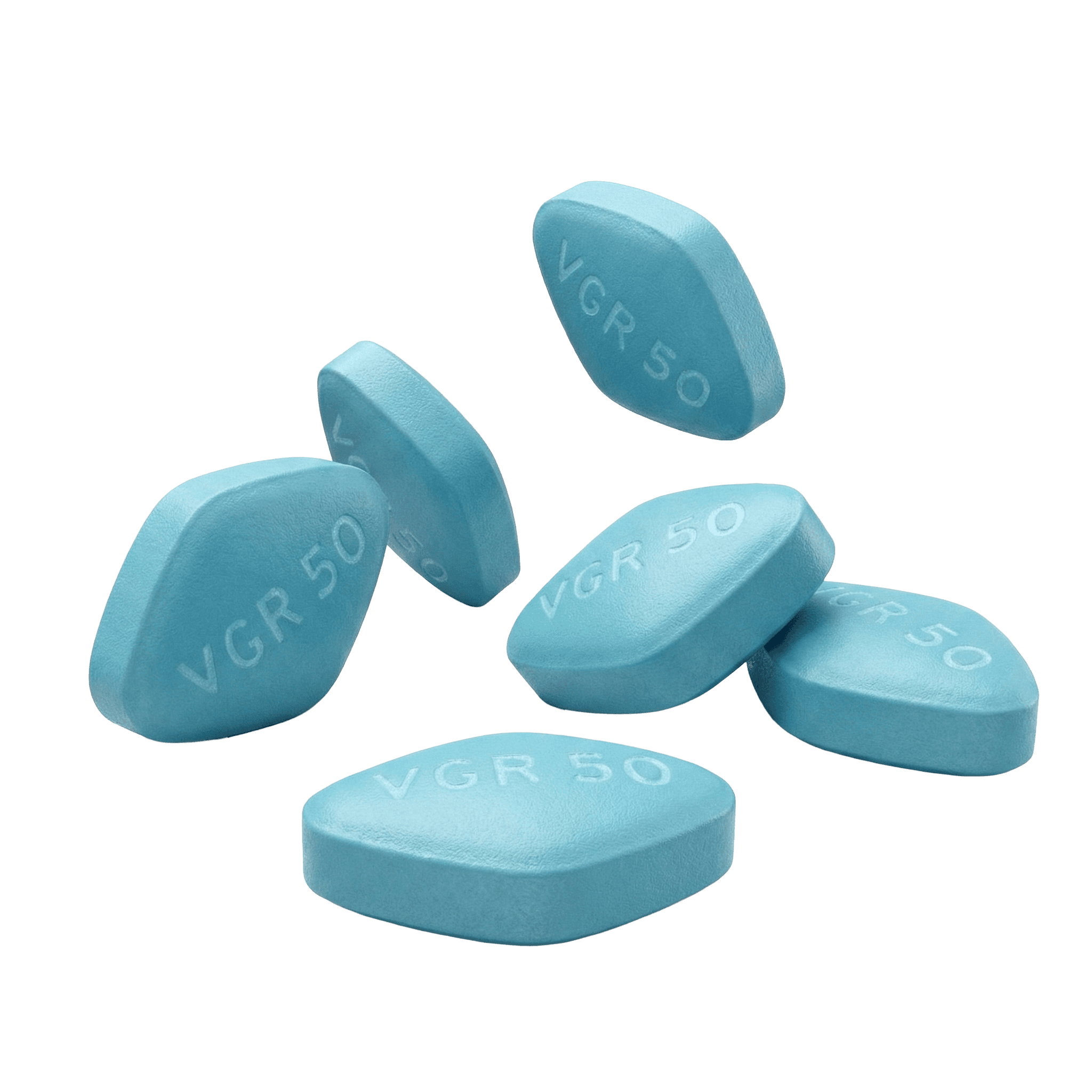
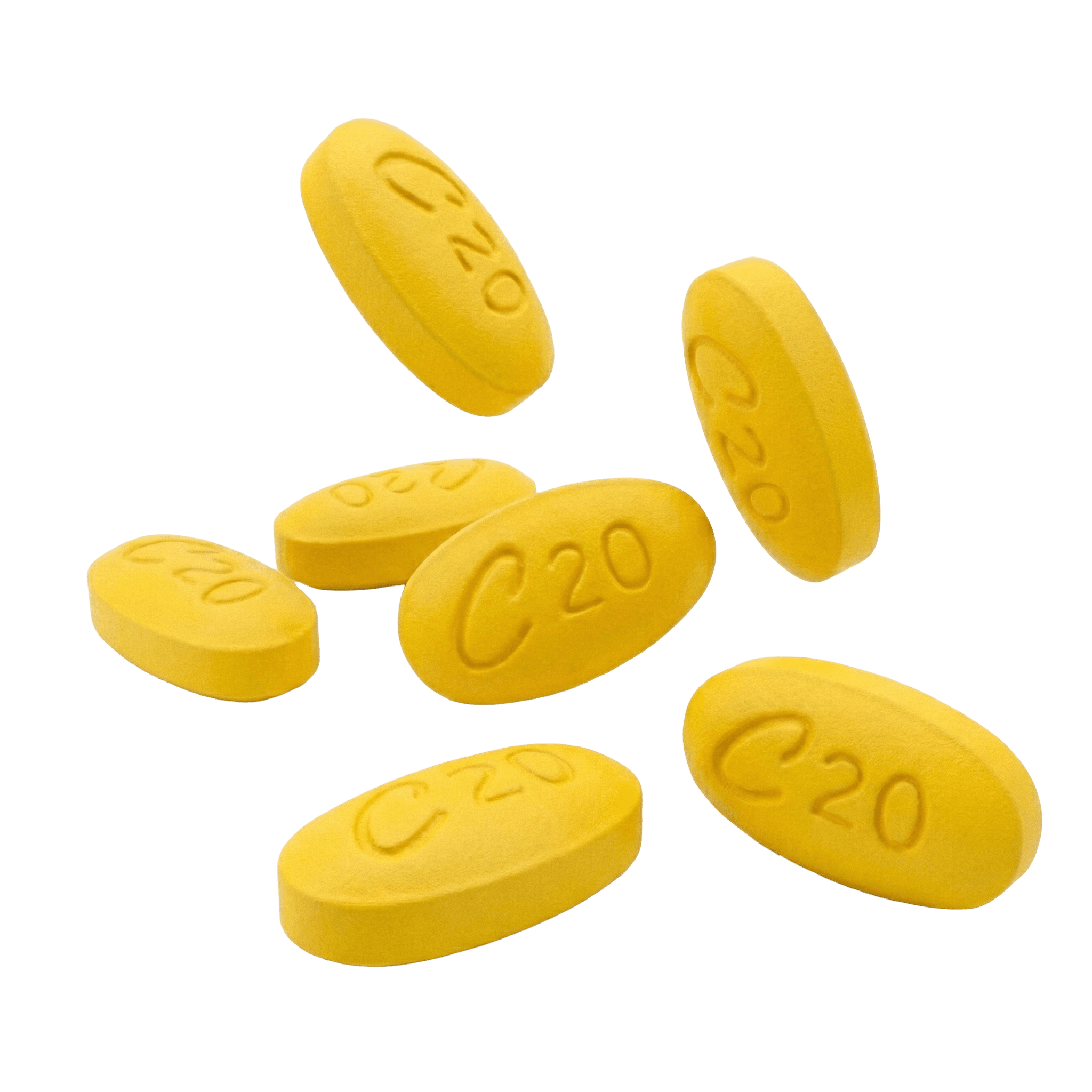
If you're experiencing erectile difficulties and want to explore your options, Totiva's ED treatment service offers a pharmacist-reviewed online consultation. Treatments including tadalafil (from £9.99 for 28 tablets) and sildenafil are available following approval, with no upfront cost for the consultation itself.
Does Tadalafil Affect Testosterone?#
This question comes up regularly, often because men dealing with ED are also experiencing symptoms that overlap with low testosterone: fatigue, reduced libido, difficulty maintaining erections. Tadalafil doesn't increase testosterone levels.
Tadalafil is a PDE5 inhibitor. It works by blocking the enzyme that breaks down cyclic guanosine monophosphate (cGMP) in smooth muscle cells, allowing blood vessels to stay dilated and improving erectile response. Its mechanism operates entirely within the vascular system and has no documented interaction with the hypothalamic-pituitary-gonadal (HPG) axis, which is the hormonal pathway responsible for testosterone production.
The SmPC (Summary of Product Characteristics) for tadalafil does not list any effects on testosterone levels, and tadalafil is not licensed as a hormone treatment.
Some studies have explored whether daily low-dose tadalafil (2.5mg or 5mg) has any indirect hormonal effects through improved sexual activity, confidence, and wellbeing, but no reliable evidence shows meaningful testosterone changes from tadalafil use. If anything, the research suggests that men with clinically low testosterone who use tadalafil may have a reduced response to the medication, and that combining TRT with PDE5 inhibitors can improve outcomes in hypogonadal men with ED.
In other words: if you have both ED and low testosterone, you may need both treatments rather than hoping one will fix the other.
Got questions? Speak to a pharmacist on WhatsApp now
Prefer to browse first? View treatments
Testosterone Recovery After Quitting Smoking#
One of the most searched follow-on questions from this topic is how long testosterone takes to recover after quitting. The honest answer is that research is limited, but there are reasonable expectations based on what we know about nicotine's mechanisms.
- Weeks 1-4: Acute nicotine withdrawal passes. Cotinine clears from the system within a week or two. Leydig cell function begins recovering as the ongoing chemical insult reduces.
- Month 3: Oxidative stress levels in testicular tissue begin to fall. Sperm parameters, which are commonly disrupted by smoking, typically show measurable improvement within three months (roughly one spermatogenesis cycle).
- Month 6 and beyond: Endothelial function improves significantly. Vascular health, which directly affects erectile function, continues to recover over months to years.
There's no precise timeline for testosterone normalisation after quitting, partly because the degree of damage varies with how long and how heavily someone has smoked. But the trend is consistently positive. Quitting removes the ongoing suppression of the steroidogenesis pathway and allows the body's natural regulatory systems to reassert themselves.
Supporting Testosterone Naturally During Recovery#
While the body recovers from nicotine's effects, there are well-evidenced lifestyle factors that support healthy testosterone levels:
- Sleep: Testosterone is primarily produced during sleep. Getting 7-9 hours of quality sleep per night has a direct, measurable effect on morning testosterone levels.
- Resistance exercise: Compound movements like squats and deadlifts are consistently associated with higher testosterone in men.
- Vitamin D: Deficiency is common in the UK and associated with lower testosterone. A daily supplement of 10 micrograms (400 IU) is recommended by the NHS for most adults during autumn and winter.
- Zinc: Found in red meat, shellfish, nuts and seeds. Adequate zinc is necessary for Leydig cell function.
- Weight management: Excess body fat, particularly visceral fat, increases aromatase activity, which converts testosterone to oestrogen. Reducing body fat supports the testosterone-to-oestrogen ratio.
- Limiting alcohol: Heavy alcohol consumption suppresses testosterone directly.
None of these are a substitute for addressing clinically low testosterone through medical pathways, but they support recovery and general hormonal health.
When to Consider a Testosterone Assessment#
If you're experiencing persistent symptoms of low testosterone, such as reduced libido, unexplained fatigue, difficulty concentrating, mood changes, or loss of muscle mass, it's worth getting your levels checked. The NHS recommends testing total testosterone with a morning blood sample (taken between 7am and 11am when levels peak), and often repeating the test if the first result is borderline.
GP referral pathways for TRT vary across England depending on your ICB, and waiting times can be lengthy. Private assessment is an option for men who want faster answers.
For men whose primary concern is erectile dysfunction rather than diagnosed hypogonadism, Totiva offers a straightforward pharmacist-reviewed online consultation. You can start a free ED consultation here and, if approved, choose from a range of licensed treatments including daily tadalafil and on-demand sildenafil. There's no subscription and no upfront payment until treatment is approved.
The Bottom Line#
Smoking does not increase testosterone in any meaningful sense. The studies that appear to show higher testosterone in smokers reflect the confounding effect of SHBG elevation rather than genuine hormonal benefit. At a cellular level, nicotine damages Leydig cells, suppresses the enzymes needed for testosterone synthesis, disrupts hormone signalling, and increases oxidative stress in testicular tissue.
The same nicotine also narrows blood vessels, raising the risk of erectile dysfunction through a separate vascular mechanism.
Tadalafil, meanwhile, is a well-evidenced treatment for vasculogenic ED, but it doesn't influence testosterone production. If symptoms of low testosterone and ED coexist, both issues usually need to be addressed separately.
The most effective thing a smoker can do for his testosterone and his sexual health is to quit. NHS Stop Smoking Services offer free, evidence-based support, and the body's hormonal systems do recover over time once the ongoing nicotine insult is removed.
Not sure which treatment is right for you?
Medical Information: This article is for informational purposes only and does not constitute medical advice. Always consult a qualified healthcare professional before starting, stopping, or changing any treatment.