Does Tadalafil Increase Testosterone? And What About Zinc and Ashwagandha?
Tadalafil won't raise your testosterone. But zinc and ashwagandha might help in certain situations. Here's what the evidence actually shows.
Written by:

Medically reviewed by Chris Armstrong, MPharm
Key Takeaways
Tadalafil improves erections through blood flow, not hormones. Zinc and ashwagandha may modestly support testosterone in deficient or stressed men, but neither is a substitute for medical treatment if your levels are genuinely low.
The Short Answer on Tadalafil and Testosterone#
Tadalafil does not increase testosterone. Full stop. It is a phosphodiesterase type 5 (PDE5) inhibitor, which means it works by relaxing smooth muscle and improving blood flow to the penis. It does not interact with the hypothalamic-pituitary-gonadal axis, which is the hormonal pathway responsible for testosterone production. Its Summary of Product Characteristics makes no mention of any effect on testosterone levels.
This question comes up regularly, and it is easy to understand why. Many men experiencing erectile dysfunction (ED) also have low testosterone (hypogonadism), so the conditions overlap. Tadalafil clearly helps with erections, so it is natural to wonder whether it is doing something hormonal. But the mechanism is vascular, not endocrine. Tadalafil prevents the breakdown of cyclic guanosine monophosphate (cGMP) in blood vessel walls, keeping them dilated. That is the beginning and end of its relevant action for ED.
That said, the relationship between testosterone and erectile function is real and worth understanding properly.
Why Low Testosterone Can Cause Erectile Dysfunction#
Testosterone does not cause erections directly, but it plays an important supporting role. It maintains libido, contributes to the sensitivity of penile tissue, and helps regulate the nitric oxide pathways that PDE5 inhibitors like tadalafil depend on. When testosterone is very low, some men find that PDE5 inhibitors are less effective than expected, not because of the medication, but because the underlying hormonal environment is working against it.
Research has shown that men with hypogonadism who do not respond well to tadalafil alone sometimes show significant improvement when testosterone replacement therapy (TRT) is added. This does not mean tadalafil affects testosterone. It means the two systems interact, and fixing one without addressing the other can limit your results.
If you are taking tadalafil and not getting the results you hoped for, and you also have symptoms like low libido, persistent fatigue, mood changes, reduced muscle mass, or morning erections that have become infrequent, it is worth asking your GP about a testosterone blood test. In the UK, these are typically taken between 7am and 11am when levels are naturally at their peak, and a diagnosis of hypogonadism usually requires two low readings alongside clinical symptoms.
For most men, though, ED and low testosterone are separate problems. Tadalafil works well for ED regardless of hormone levels, and for a large proportion of men the issue is purely vascular rather than hormonal. You can explore Totiva's ED consultation at /services/ed if you are weighing up your options.
Does Zinc Actually Boost Testosterone?#
Zinc is an essential mineral that your body cannot produce on its own. You get it through food, primarily from meat, shellfish, legumes, and seeds. It plays a role in immune function, wound healing, cell division, and crucially, the male reproductive system. The research here is more nuanced than supplement marketing tends to suggest.
The honest answer is: zinc can support testosterone levels if you are deficient in it, but it is unlikely to raise your testosterone above normal if your levels are already sufficient.
Severe and moderate zinc deficiency are both associated with hypogonadism. A landmark 1996 study in the journal Nutrition found a clear link between zinc status and serum testosterone in healthy adults, with deficient men showing significantly lower testosterone. When zinc was restored to normal levels, testosterone followed. A more recent review confirmed that therapeutic zinc supplementation may be a useful coadjutant in men with documented deficiency alongside low testosterone.
Where the evidence gets weaker is in men who are not deficient. There is no strong, consistent evidence that adding extra zinc to an already-sufficient diet will push testosterone higher than your natural set point. Some studies show small positive associations, but the effect size is modest and the populations studied are often athletes under specific physiological stress.
What form of zinc is best?#
If you are going to supplement, the form matters. Zinc gluconate, zinc citrate, and zinc picolinate all have reasonably good absorption, with picolinate sometimes cited as having a slight edge in comparative studies. Zinc oxide, which appears in cheaper supplements, is less well absorbed. The tolerable upper intake level for adults is 40mg per day. Above that, you risk interfering with copper absorption and iron metabolism, neither of which is desirable.
For most people eating a varied diet in the UK, zinc deficiency is uncommon. It is more likely in men who avoid animal products, elderly men with reduced dietary variety, or men with certain gastrointestinal conditions affecting absorption. If you are in one of those groups, a standard 10-25mg zinc supplement taken with food is a low-risk, evidence-supported step.
Not sure which treatment is right for you?
Does Ashwagandha Increase Testosterone?#
Ashwagandha (Withania somnifera) has had a significant moment on social media and men's health forums in recent years. The claims range from modest stress relief to dramatic hormone optimisation. The reality sits somewhere in between, and it depends enormously on who is taking it.
Ashwagandha is classified as an adaptogen, meaning it is thought to help the body manage physiological stress. Modern concentrated extracts, particularly KSM-66 and Sensoril, have been the focus of most of the clinical research.
The evidence suggests ashwagandha can produce modest increases in testosterone, primarily in men who are stressed, have fertility concerns, or are experiencing some degree of physical fatigue. For healthy young men with normal testosterone levels, the effects tend to be smaller and less consistent.
A double-blind, placebo-controlled trial published in 2019 found that men taking 600mg of KSM-66 ashwagandha daily for 8 weeks experienced modest increases in testosterone alongside reductions in cortisol. An earlier study in men with infertility found that 5g of ashwagandha root powder daily for 3 months improved sperm parameters and raised testosterone levels. A further study linked ashwagandha supplementation to improvements in muscle strength and workout performance compared to placebo.
How does it work?#
Ashwagandha does not directly stimulate testosterone production. Its effects appear to work through several indirect pathways:
Cortisol reduction. Chronic stress elevates cortisol, which suppresses the hypothalamic-pituitary-gonadal axis and reduces testosterone output. Ashwagandha consistently lowers cortisol in clinical trials, which may allow testosterone to recover toward its natural level.
Sleep improvement. Testosterone is produced primarily during deep sleep. Ashwagandha has demonstrated improvements in sleep quality in several studies, which could support healthier hormone rhythms.
Antioxidant effects on testicular tissue. Some research suggests ashwagandha's antioxidant compounds may reduce oxidative stress in reproductive cells, supporting normal hormone synthesis.
What dose is typically used?#
Clinical trials have used doses ranging from 300mg to 600mg of root extract daily, with the 600mg dose of KSM-66 appearing most frequently in positive studies. Effects on testosterone were generally observed after 8-12 weeks of consistent use. Lower doses (300mg) have shown benefits for sleep and stress without always demonstrating clear hormonal effects.
Are there any concerns?#
Ashwagandha is generally well tolerated at these doses. Reported side effects include digestive discomfort, drowsiness, and, less commonly, mild liver enzyme elevations with prolonged high-dose use. Men with thyroid conditions should use caution, as ashwagandha can influence thyroid hormone levels. It is also worth noting that ashwagandha is not regulated as a medicine by the MHRA in the UK. It is sold as a food supplement under the Food Supplements (England) Regulations 2003, which means manufacturers cannot make medicinal claims and quality control between products varies considerably. If you are taking thyroid medication, antidepressants, or immunosuppressants, speak to a pharmacist before starting.
The bottom line: ashwagandha is unlikely to cause dramatic hormonal shifts in men with normal testosterone. It is more likely to help if you are under significant stress, sleeping poorly, or have some degree of fertility-related hormonal disruption. It is not a substitute for medical treatment if your testosterone is genuinely low.
How Is Low Testosterone Diagnosed in the UK?#
If you are reading this article because you suspect your testosterone is low rather than simply researching supplements, it is worth understanding how the NHS approaches this.
GPs will typically measure total serum testosterone using a morning blood sample (7-11am). UK NHS labs generally consider the normal reference range to be approximately 8-30 nmol/L, though thresholds for diagnosis vary slightly between labs. A single low result is rarely acted on immediately. Current clinical guidance recommends confirming with a second morning sample, alongside measurement of LH and FSH to distinguish primary from secondary hypogonadism. Sex hormone binding globulin (SHBG) levels are also relevant, since high SHBG can leave testosterone bound and biologically unavailable even when total levels appear adequate.
If hypogonadism is confirmed, NHS treatment options include injectable testosterone (Nebido, Sustanon), transdermal gels (Tostran, Testogel), and in some cases referral to endocrinology. Waiting times for specialist referral through the NHS can be substantial, which is why many men explore private pathways.
Importantly, if your primary problem is erectile dysfunction rather than confirmed low testosterone, addressing the ED directly is often the right first step. PDE5 inhibitors like tadalafil and sildenafil are well-evidenced, widely available, and work for most men regardless of whether their testosterone is in the normal range or at the lower end.
Comparing Your Options: Zinc, Ashwagandha, Lifestyle, and Medical Treatment#
Here is a practical summary of where different interventions sit on the evidence spectrum:
Testosterone replacement therapy (TRT): The most effective medical intervention for confirmed hypogonadism. Produces significant, consistent increases in testosterone. Requires prescription and ongoing monitoring. Not appropriate without a diagnosis.
Resistance training and exercise: Among the strongest evidence-based lifestyle interventions for maintaining testosterone levels. Regular weight-bearing exercise, particularly compound movements, consistently supports hormonal health and is recommended as a first-line measure.
Weight loss: Excess body fat, particularly visceral fat, is associated with lower testosterone through increased aromatase activity converting testosterone to oestrogen. Even modest weight loss in overweight men can meaningfully improve testosterone levels.
Sleep optimisation: Testosterone production is heavily concentrated in slow-wave sleep. Men sleeping under 5 hours per night show significantly reduced testosterone compared to those sleeping 7-8 hours. This is one of the highest-leverage lifestyle factors and costs nothing.
Zinc supplementation: Useful if you are deficient. Low impact if you are not. Cheap, safe at recommended doses, and worth addressing if your diet is restricted.
Ashwagandha: Modest evidence for testosterone support in stressed or subfertile men. Better evidence for cortisol reduction and sleep quality. Not regulated as a medicine, so product quality varies.
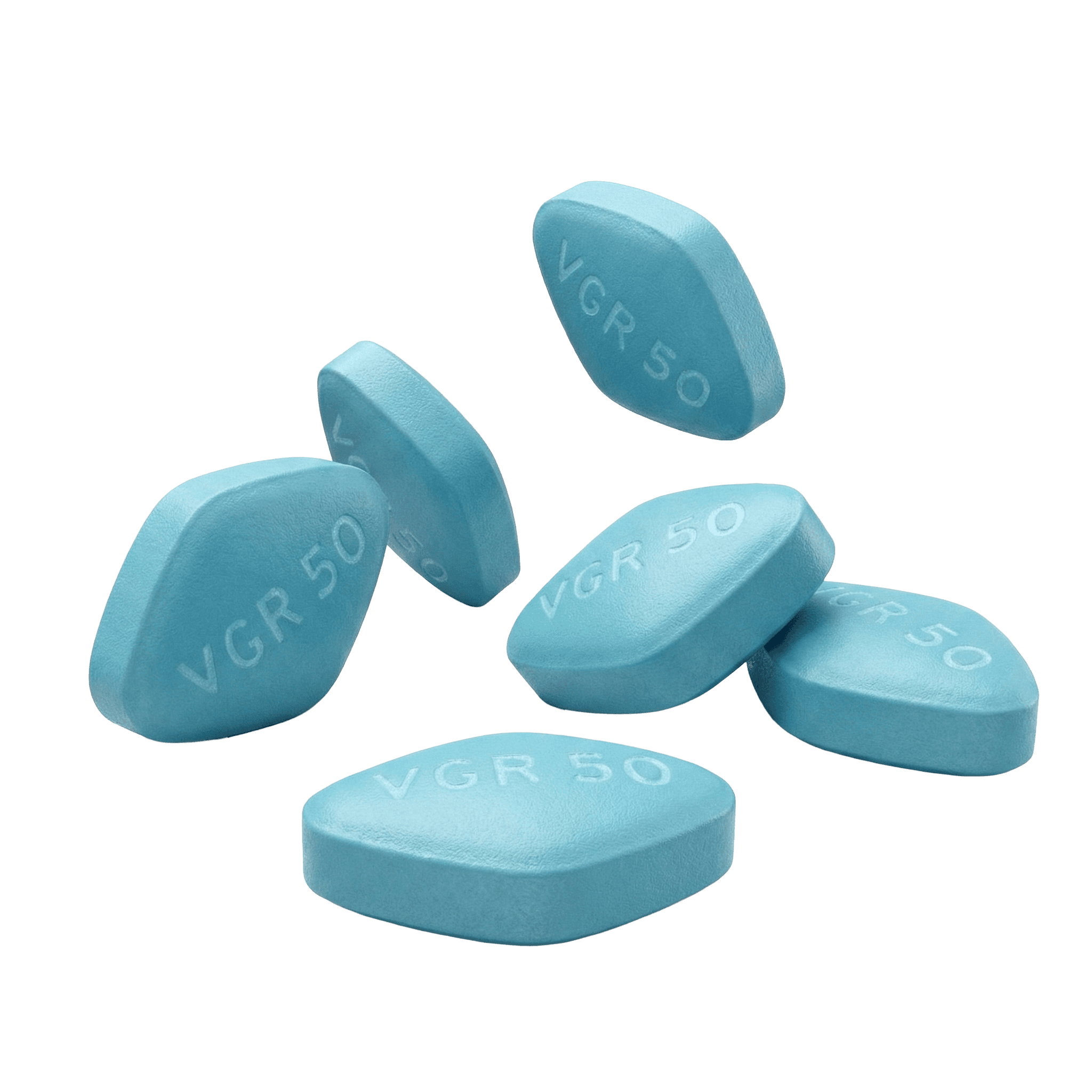
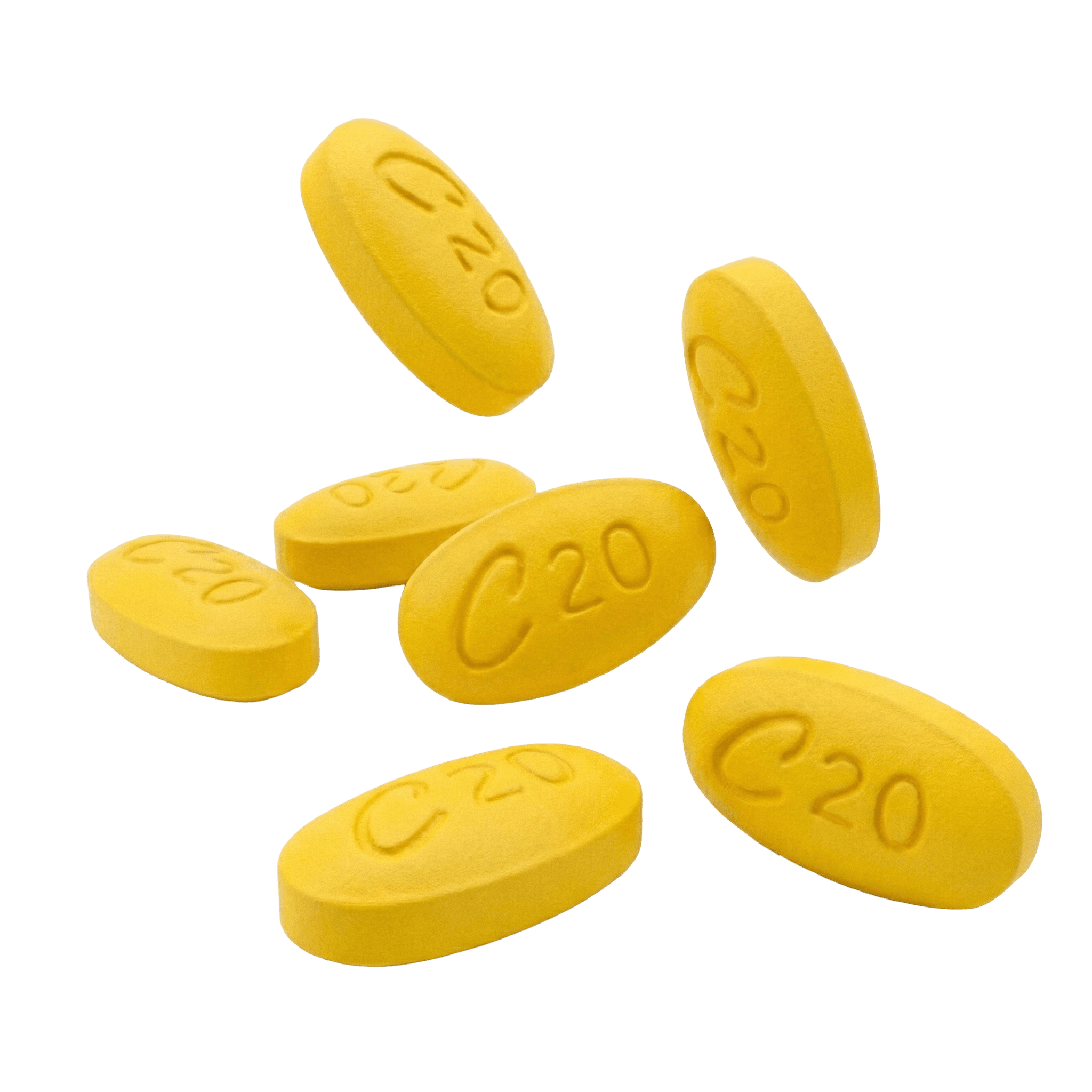
Tadalafil and sildenafil: Highly effective for erectile dysfunction. No direct effect on testosterone. If ED is your primary concern, these are the starting point.
If you are dealing with ED and want to explore treatment options, Totiva offers a free pharmacist-led online consultation with no upfront payment required. Treatments are approved by UK clinicians and delivered discreetly. You can start a consultation at Totiva and find out which option suits your situation, whether that is daily tadalafil, as-needed tadalafil, or sildenafil.
Got questions? Speak to a pharmacist on WhatsApp now
Prefer to browse first? View treatments
A Practical Decision Framework#
Not sure where to start? This rough guide might help:
- ED with no other symptoms: Try a PDE5 inhibitor first. This addresses the most likely cause (vascular) effectively and quickly.
- ED plus low libido, fatigue, mood changes: Worth getting testosterone tested via your GP before or alongside ED treatment.
- Wanting to optimise hormones without a diagnosis: Prioritise sleep, exercise, and weight management. Zinc if your diet is restricted. Ashwagandha if stress is a significant factor.
- Confirmed low testosterone: Discuss TRT with your GP or a private men's health clinic. Supplements are not a substitute.
- Supplements not regulated as medicines: Treat them accordingly. They can support health; they cannot treat a medical condition.
For ED specifically, Totiva's erectile dysfunction service covers sildenafil, daily and as-needed tadalafil, Viagra Connect, and Cialis Together, with prices starting from under £2 per tablet for generic options. The consultation is free and you only pay if treatment is approved.
Not sure which treatment is right for you?
Medical Information: This article is for informational purposes only and does not constitute medical advice. Always consult a qualified healthcare professional before starting, stopping, or changing any treatment.