Does Boron Increase Testosterone and Help with Erectile Dysfunction?
Boron is popular in natural ED circles, but does the evidence stack up? We look at what the research actually says and what treatments genuinely work.
Written by:

Medically reviewed by Callum Armstrong, MPharm, Independent Prescriber (IP)
Key Takeaways
Boron may slightly raise free testosterone, but there's no evidence it treats erectile dysfunction. Lifestyle changes and PDE5 inhibitors like sildenafil are the evidence-based options. Alcohol is a well-proven cause of ED, both short-term and long-term.
Boron has developed a quiet following among men searching for natural ways to boost testosterone and improve their erections. Walk into any health food shop and you'll find it stacked alongside zinc and ashwagandha, often marketed with bold claims. But does the evidence actually support it? The short answer is: not really, at least not for erectile dysfunction.
Boron does appear to have some influence on hormone metabolism, including testosterone, but the leap from 'may affect hormone levels' to 'treats erectile dysfunction' is a significant one, and the clinical evidence simply hasn't made that jump yet.
What Is Boron and What Does It Actually Do?#
Boron is a trace mineral found naturally in foods like almonds, raisins, avocados, and leafy green vegetables. It's not classified as an essential nutrient in the UK, and there's no recognised deficiency syndrome in humans. The average person in the UK gets roughly 1–3mg of boron per day through food alone.
In the body, boron is thought to influence several metabolic pathways. It appears to play a role in bone mineralisation, vitamin D metabolism, and the regulation of certain hormones, particularly those involved in steroid hormone metabolism. It's absorbed efficiently in the gut and excreted through urine, so the body doesn't store much of it.
The interest in boron for testosterone specifically comes from a small number of studies. One frequently cited piece of research by Naghii et al. (2011) found that supplementing with 10mg of boron per day for one week increased free testosterone levels in healthy male volunteers. Free testosterone is the fraction not bound to proteins in the blood, and it's the biologically active form.
That sounds promising on the surface. But one small, short-term study in healthy men is a long way from proof that boron can meaningfully improve testosterone levels in men with ED, let alone resolve the underlying erectile dysfunction itself.
Does Boron Help with Erectile Dysfunction?#
Here's where the evidence gets thin. There are no randomised controlled trials (RCTs) examining boron supplementation specifically as a treatment for erectile dysfunction. The Naghii study showed raised free testosterone levels, not improved erectile function, and it involved a very small number of participants over just one week.
It's also worth noting that low testosterone is not the primary driver of most ED cases. The main physiological mechanism behind an erection involves nitric oxide signalling and blood flow to the penile tissue. Many men with ED have perfectly normal testosterone levels. So even if boron did meaningfully raise testosterone, that alone wouldn't necessarily translate into better erections.
In the UK, no boron supplement holds a marketing authorisation from the MHRA for treating erectile dysfunction. Supplements can't legally claim to treat any medical condition in the UK without that authorisation, which means any product suggesting it will 'fix' your erections is making claims it's not permitted to make.
If you're weighing up boron against properly studied treatments, the difference in evidence quality is stark. PDE5 inhibitors like sildenafil and tadalafil have success rates of roughly 60–80% across large RCTs, work by directly enhancing the nitric oxide pathway responsible for erections, and are licensed medicines prescribed according to NICE guidance. Boron has no RCTs, no licensed indication, and no mechanistic evidence linking it directly to erectile function.
Not sure which treatment is right for you?
How Does Boron Compare to Other Natural Supplements for ED?#
Boron isn't the only supplement men turn to when looking for natural approaches. Here's an honest look at the evidence for some common alternatives:
L-arginine: An amino acid that acts as a precursor to nitric oxide. There's slightly more clinical data here than for boron, with some small trials suggesting modest benefit in men with mild ED, particularly when combined with other compounds. The effect size is generally much smaller than PDE5 inhibitors.
Zinc: Often marketed for testosterone support. Zinc deficiency is associated with lower testosterone, so supplementation makes sense if you're genuinely deficient. For men with normal zinc levels, additional supplementation is unlikely to make a meaningful difference.
Ashwagandha: An adaptogenic herb with some evidence for reducing cortisol and modest effects on testosterone in stressed or subfertile men. Like boron, the jump from 'influences hormones' to 'treats ED' hasn't been made in clinical research.
Ginseng (particularly Korean red ginseng): Probably the best-evidenced natural supplement for ED, with a Cochrane-reviewed meta-analysis showing some benefit over placebo. But even ginseng's evidence is considered low-to-moderate quality, and it doesn't come close to the evidence base for licensed medications.
None of these supplements are recommended by NICE for the management of erectile dysfunction. That's not a criticism of them as compounds, it's just the current state of the evidence.
Alcohol and Erectile Dysfunction: What's Actually Happening#
While natural supplements rarely get the credit they're claimed to deserve, one cause of ED that genuinely is backed by strong evidence is alcohol. The NHS lists alcohol as one of the most common causes of erectile difficulties, and the mechanisms are well understood.
After a heavy night of drinking, most men have experienced the frustrating paradox: feeling in the mood but physically unable to perform. This is sometimes called 'whisky dick', though as many men will confirm, the type of alcohol is largely irrelevant.
Short-term effects: Alcohol is a central nervous system depressant. Even moderate amounts slow nerve signalling, which reduces genital sensitivity and dampens the reflex pathways needed to initiate and maintain an erection. Alcohol also causes dehydration, which reduces blood volume and can lower blood pressure. Since erections depend entirely on adequate blood flow to the penile tissue, both of these effects work against you.
A practical guide: the NHS recommends drinking no more than 14 units of alcohol per week, spread over at least three days. That's roughly six pints of average-strength lager or ten small glasses of wine. Occasional mild drinking within these limits is unlikely to cause persistent ED. Regularly exceeding them significantly raises your risk.
Long-term effects: Chronic heavy drinking causes more lasting damage. Alcohol can impair nerve function over time, affecting the autonomic nervous system pathways that control erections. It also disrupts hormonal balance, including reducing testosterone production and increasing oestrogen conversion. Long-term alcohol misuse is associated with a much higher prevalence of persistent ED.
The good news is that alcohol-related ED is often reversible. Research suggests that reducing alcohol intake significantly can lead to noticeable improvements in erectile function within weeks to months, depending on how long the pattern of heavy drinking has persisted and whether any permanent nerve damage has occurred. This isn't a guaranteed timeline, and men with long-standing alcohol problems should speak to their GP rather than assuming things will resolve on their own.
If alcohol is a concern, the NHS operates a free confidential helpline called Drinkline (0300 123 1110) and the NHS Better Health programme also provides online support tools.
Evidence-Based Treatments for Erectile Dysfunction#
For most men with ED, the treatments that reliably work are PDE5 inhibitors. These are licensed medicines that enhance the natural mechanism behind erections by blocking an enzyme (phosphodiesterase type 5) that would otherwise restrict blood flow to the penis.
The main options available in the UK are:
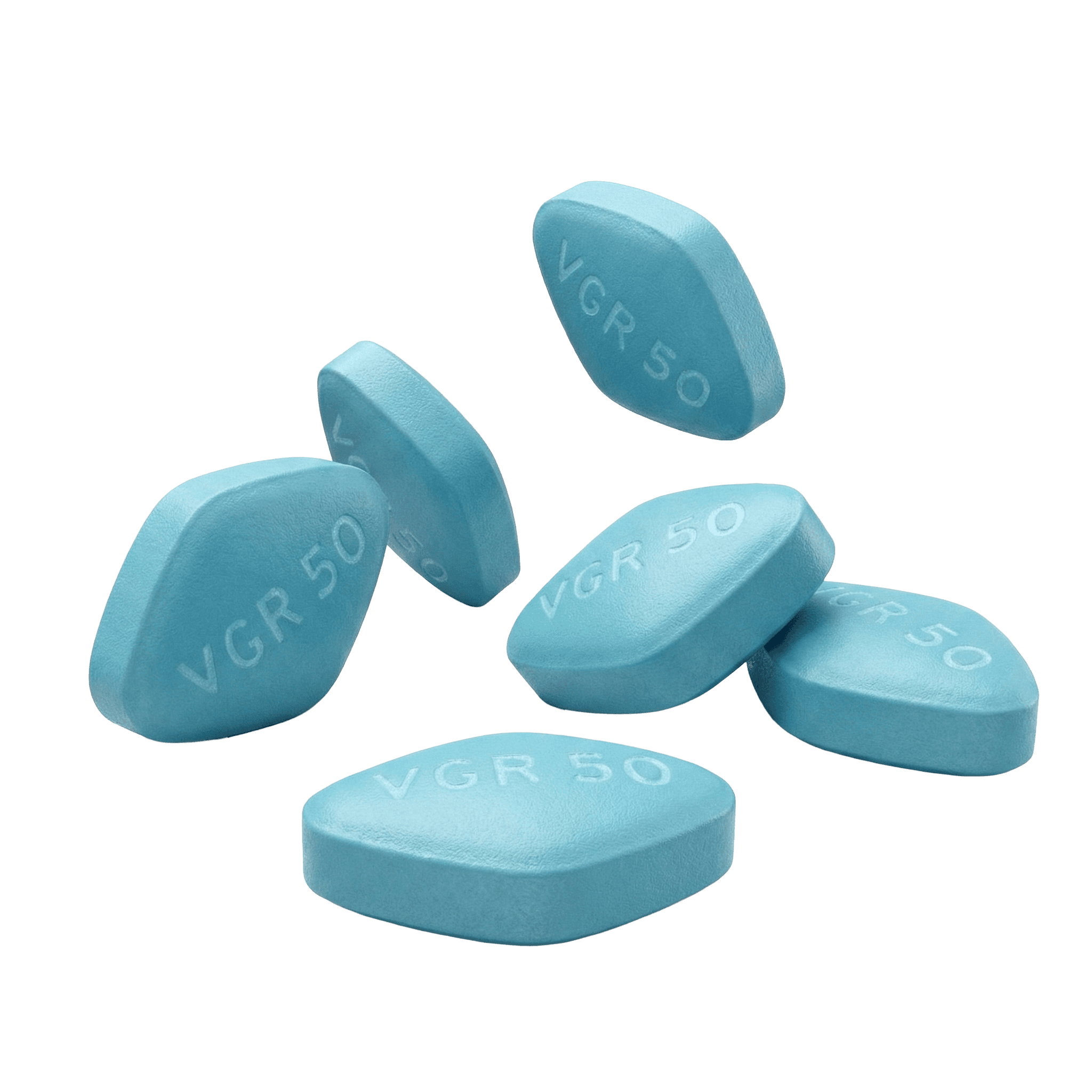
Sildenafil: The active ingredient in Viagra, now widely available as a generic. It's taken 30–60 minutes before sex and the effects last around 4–5 hours. Since 2018, it has been available over the counter from UK pharmacies without a prescription (as Viagra Connect). Totiva offers sildenafil starting from £4.99 for a pack of four 50mg tablets, making it accessible without the expense sometimes associated with branded options. You can find the full range through Totiva's ED service.
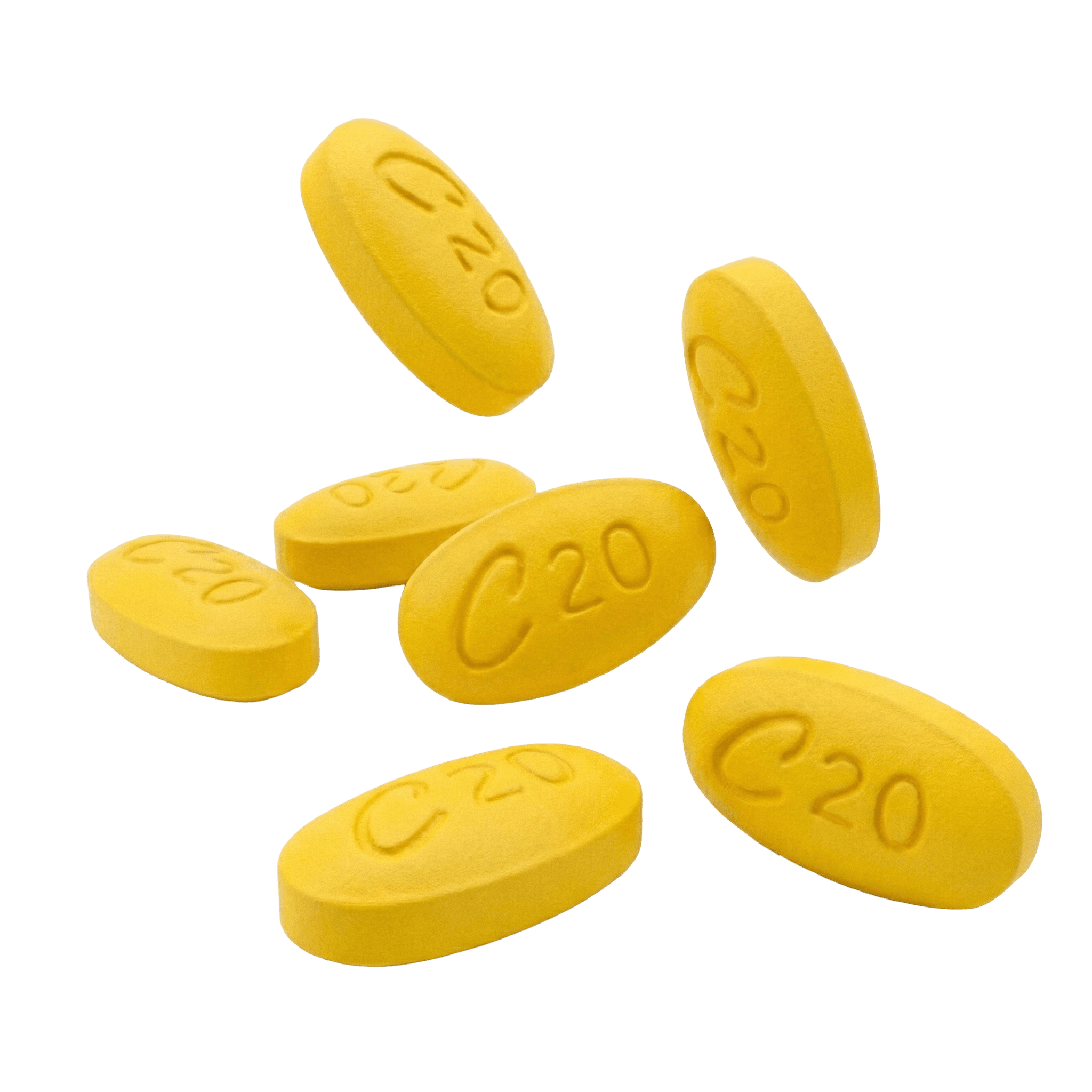
Tadalafil: Available either as an as-needed dose (lasting up to 36 hours) or as a low daily dose. The daily version means you don't need to time anything around sex, which many men prefer. It's the generic form of Cialis. As-needed tadalafil starts from £7.49 for four 10mg tablets at Totiva, and daily tadalafil (2.5mg) starts from £9.99 for 28 tablets.
Viagra Connect and Cialis Together: The branded over-the-counter versions of sildenafil and tadalafil respectively, available for men who prefer a familiar name.
NICE clinical guidance (CG97) recommends PDE5 inhibitors as first-line pharmacological treatment for erectile dysfunction. GPs in England can also prescribe sildenafil on the NHS at low cost, which is worth knowing if you haven't discussed ED with your GP yet.
If cost is a barrier or you'd rather not visit a GP in person, Totiva's online consultation is free and doesn't require any upfront payment. You only pay once a pharmacist has reviewed your responses and approved a suitable treatment.
Got questions? Speak to a pharmacist on WhatsApp now
Prefer to browse first? View treatments
When to Seek Medical Advice#
Occasional difficulty with erections is extremely common and usually not a cause for concern. Stress, tiredness, alcohol, and anxiety can all interfere temporarily. But if difficulties are happening regularly (say, more than half the time during sexual activity), it's worth taking seriously.
Persistent ED can sometimes indicate underlying cardiovascular disease, diabetes, high blood pressure, or hormonal issues. A GP assessment can help identify whether there's something more going on. Men experiencing ED alongside chest pain, breathlessness, or leg swelling should seek medical attention promptly.
If you're concerned about your testosterone specifically, ask your GP about a blood test. This can measure total and free testosterone, as well as other hormones, and gives a much clearer picture than any supplement trial could.
Psychological factors also matter more than they're often given credit for. Men who drink heavily and then experience ED in a relationship may develop performance anxiety that persists even after drinking stops. This is worth discussing with a GP or psychosexual counsellor if it's becoming a pattern.
The Bottom Line on Boron, Testosterone, and ED#
Boron may have a modest, short-term effect on free testosterone in healthy men, but there's no clinical evidence that it improves erectile function. It's not recommended by any UK clinical guideline for the treatment of ED, and no boron supplement is licensed by the MHRA for this purpose.
If you're interested in natural approaches, the most evidence-based thing you can do is look at your lifestyle: reduce alcohol intake to within NHS guidelines (14 units per week or fewer), exercise regularly (which has good evidence for improving erectile function), maintain a healthy weight, and address any sleep problems. These interventions are genuinely supported by research, even if they're less exciting than a supplement bottle.
For men who need effective treatment, PDE5 inhibitors remain the gold standard. They work for the majority of men, they're safe when used correctly, and they're far more affordable than they used to be.
If you'd like to explore your options with a UK pharmacist, Totiva's free online consultation takes just a few minutes. You won't pay anything unless a treatment is approved as suitable for you.
Not sure which treatment is right for you?
Medical Information: This article is for informational purposes only and does not constitute medical advice. Always consult a qualified healthcare professional before starting, stopping, or changing any treatment.