Does Creatine Increase Libido or Help With Erectile Dysfunction?
Creatine is one of the most popular supplements in the gym. But does it actually help with erections or libido? Here's what the evidence actually shows.
Written by:

Medically reviewed by Callum Armstrong, MPharm, Independent Prescriber (IP)
Key Takeaways
Creatine does not improve erections or libido. There is no clinical evidence it treats erectile dysfunction. Proven options like sildenafil and tadalafil are available in the UK, often at low cost.
Creatine is everywhere in gym culture, and so is the claim that it can boost your sex drive or help with erectile dysfunction. The short answer is no, there is no good scientific evidence that creatine improves erections or libido in any meaningful way. It is not licensed as a medical treatment for erectile dysfunction (ED) in the UK, and no clinical trials have specifically tested it for this purpose.
That said, it is worth understanding why people make this connection, what creatine actually does in the body, and what treatments do work for ED. If you are dealing with erection problems, there are proven options available.
What creatine actually does#
Creatine is a compound your body produces naturally, primarily in the liver, kidneys, and pancreas, using the amino acids glycine, arginine, and methionine. You also get it from food, particularly red meat and fish. Around 95% of the body's creatine is stored in skeletal muscle, where it plays a central role in energy metabolism.
The main job of creatine is to help regenerate adenosine triphosphate (ATP), which is essentially the fuel your muscles use during short, intense bursts of activity. Weightlifting, sprinting, jumping: these all rely heavily on the creatine phosphate system in the first few seconds of effort.
When you supplement with creatine monohydrate (the most researched form), you can increase intramuscular creatine stores by roughly 10-40% depending on your starting levels. This translates into real performance benefits: more reps, faster recovery between sets, modest increases in lean muscle mass over time.
Creatine is regulated in the UK as a food supplement, not a medicine. This matters because it means product quality can vary considerably between brands, and no manufacturer is permitted to make medical claims about it.
Why people link creatine to sexual function#
The creatine-and-libido theory tends to come from a few different places.
One is the testosterone connection. Some gym-goers assume that because creatine helps build muscle, it must be boosting testosterone. The reality is more nuanced. A handful of studies have found that creatine supplementation may increase levels of dihydrotestosterone (DHT), which is a potent androgen derived from testosterone. DHT does play a role in libido, which is probably where the "makes you hornier" idea originates. However, the evidence for this DHT increase is limited and inconsistent across studies, and nobody has demonstrated that any DHT increase from creatine translates into improved sexual function or erection quality.
Another thread is the general sense of feeling better when training hard and eating well. If creatine helps you train harder, get stronger, and feel more confident in your body, that psychological boost can indirectly improve mood and sexual confidence. But that is not the same as creatine having a direct pharmacological effect on erectile function.
Not sure which treatment is right for you?
How erections actually work (and why creatine misses the mark)#
To understand why creatine is unlikely to help with ED, it helps to know the basic physiology.
Erections are fundamentally a vascular event. Sexual arousal triggers the release of nitric oxide in the penile tissue, which causes the smooth muscle in the blood vessels to relax. This allows blood to rush into the corpora cavernosa (the sponge-like chambers in the penis), creating an erection. Once an erection is no longer needed, an enzyme called phosphodiesterase type 5 (PDE5) breaks down the chemical signals and allows blood to leave.
ED typically occurs when something disrupts this process, most commonly:
- Reduced nitric oxide production (often due to cardiovascular disease, smoking, or diabetes)
- Narrowed or stiffened blood vessels limiting blood flow to the penis
- Nerve damage (particularly from diabetes or spinal injury)
- Hormonal issues, including low testosterone
- Psychological factors: anxiety, depression, relationship stress, performance anxiety
Creatine has no known mechanism that addresses any of these pathways. It does not boost nitric oxide production, improve vascular flexibility, affect nerve signalling, or reliably raise testosterone in a clinically meaningful way. The theoretical DHT pathway is weak and undemonstrated in the context of erectile function.
It is also worth noting that some research has looked at whether creatine supplementation affects kidney function at high doses, particularly in people with pre-existing kidney conditions. People with kidney disease should speak to their GP before taking creatine.
Obesity, cardiovascular disease, and ED#
One underappreciated point in conversations about ED is how strongly it connects to general cardiovascular and metabolic health. ED is, in many cases, an early warning sign of cardiovascular disease rather than a standalone condition.
Studies suggest that men with a BMI of 30 or above are significantly more likely to experience ED than men at a healthy weight. The mechanisms are multiple: excess body fat raises the risk of type 2 diabetes (which damages nerves and blood vessels), raises oestrogen levels while lowering testosterone, and accelerates the atherosclerosis that narrows blood vessels throughout the body, including those supplying the penis.
This means that for many men, losing weight, increasing physical activity, reducing alcohol, and stopping smoking can meaningfully improve erection quality, sometimes without any medication at all. If your ED is linked to lifestyle factors, that is actually good news because these things are modifiable.
For men who are significantly overweight and want medical support with weight loss, Totiva's weight loss service offers pharmacist-led online consultations covering treatments like semaglutide (Wegovy) and tirzepatide (Mounjaro).
What supplements do have any evidence for ED?#
Since we are in the business of being honest about evidence, it is worth briefly covering what supplements have been studied for ED, even if none of them replace licensed medicines.
L-arginine: Arginine is a precursor to nitric oxide, which as we have seen is central to erections. Some small studies suggest that high-dose L-arginine (around 5g daily) may have a modest benefit, particularly in men with low nitric oxide levels. The evidence is limited but slightly more plausible mechanistically than creatine. It is not recommended by NICE as a first-line treatment.
Zinc: Zinc deficiency is associated with low testosterone and sexual dysfunction. Supplementing in men who are genuinely deficient may help, but if your zinc levels are normal, taking extra is unlikely to make any difference.
Ginseng (Korean red ginseng): A few small randomised trials have shown a modest positive effect on erectile function scores. The evidence is weak but not entirely absent. Side effects are generally mild.
None of these are recommended by NICE or the BNF as treatments for ED. They are not regulated to the same standard as medicines. If your ED is significant enough to affect your quality of life, licensed treatments work substantially better.
Got questions? Speak to a pharmacist on WhatsApp now
Prefer to browse first? View treatments
Licensed ED treatments available in the UK#
For most men, the first-line treatments for ED are PDE5 inhibitors. These work by blocking the enzyme that breaks down the chemical signals responsible for erections, allowing erections to occur more easily with sexual stimulation. They do not cause erections without arousal.
Here is a practical overview:
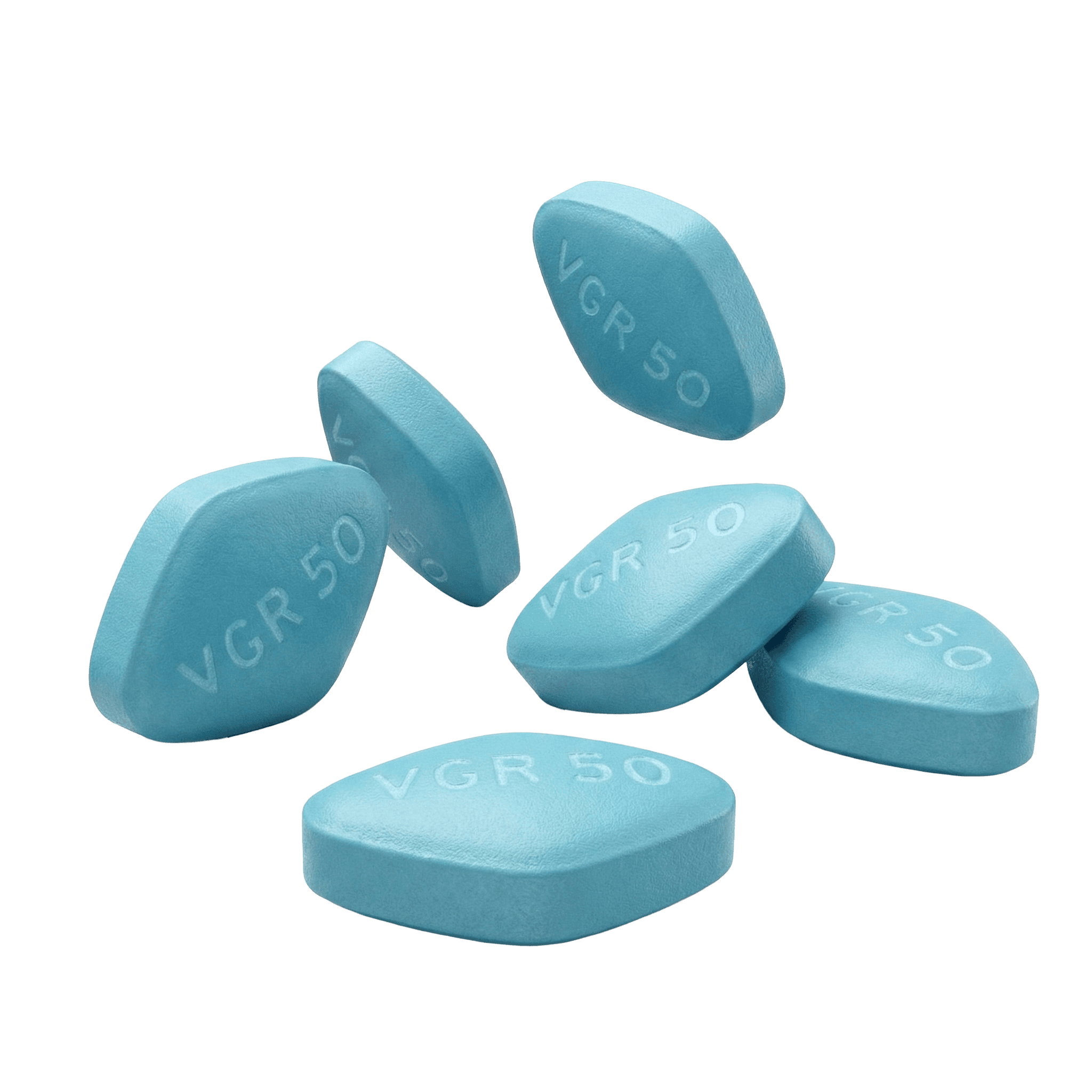
Sildenafil (the active ingredient in Viagra) is taken roughly 30-60 minutes before sex and works for 4-6 hours in most men. It is the most widely prescribed ED treatment in the UK. At Totiva, sildenafil 50mg tablets start from £4.99 for four tablets, making it substantially more affordable than branded Viagra.
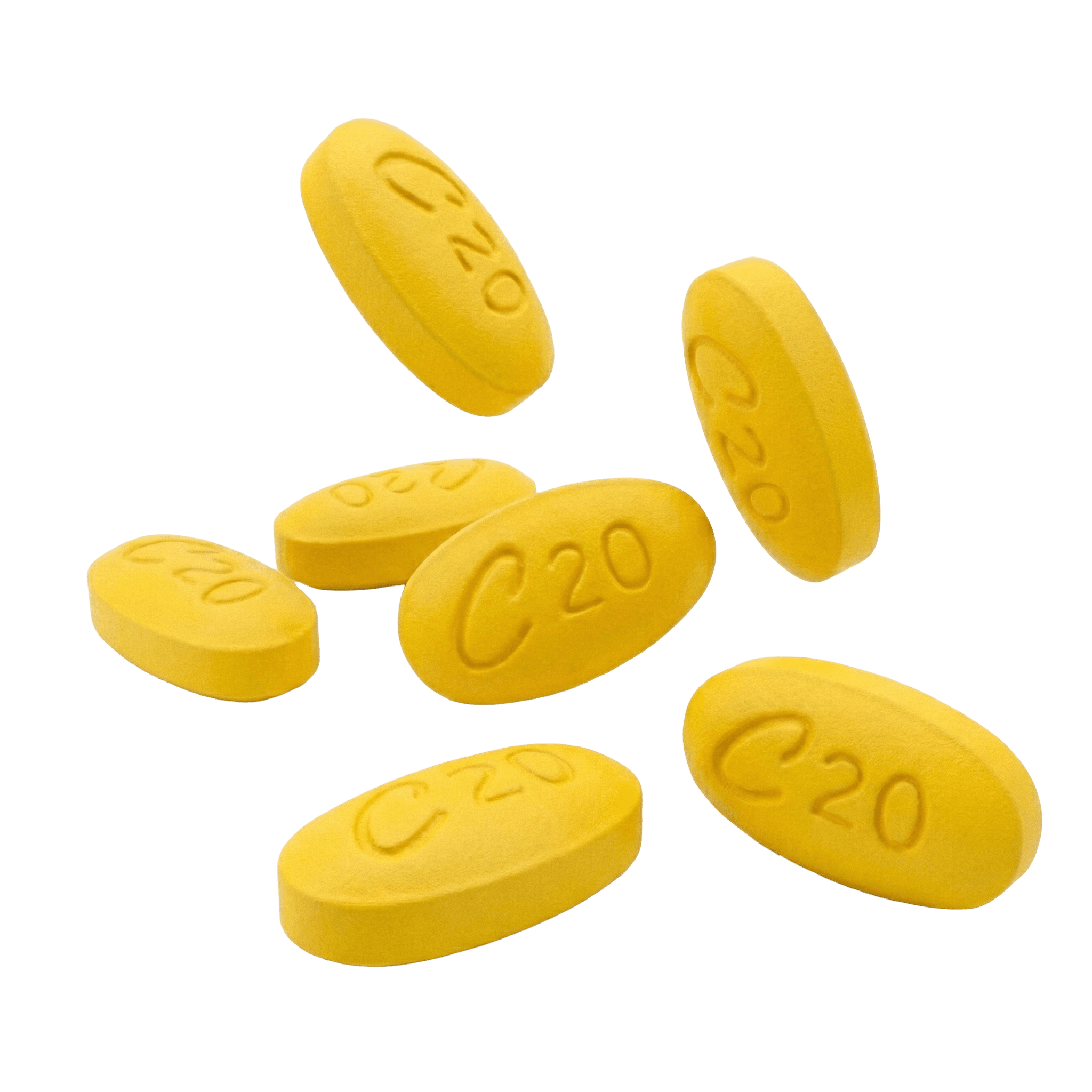
Tadalafil is available in two forms: as-needed (taken a couple of hours before sex, with effects lasting up to 36 hours) or as a once-daily low dose that means you do not need to plan around timing at all. As-needed tadalafil 10mg starts from £7.49 for four tablets at Totiva, and daily tadalafil 2.5mg starts from £9.99 for 28 tablets.
Viagra Connect is the branded, over-the-counter version of sildenafil 50mg, available without a prescription from UK pharmacies to men aged 18-64. At Totiva, a pack of four costs £11.99.
Cialis Together is the branded over-the-counter version of tadalafil 10mg. A pack of four is available at Totiva for £14.99.
PDE5 inhibitors are not suitable for everyone. They should not be taken with nitrate medications (often prescribed for angina) because the combination can cause a dangerous drop in blood pressure. Men with certain cardiovascular conditions need individual assessment before starting treatment.
You can explore Totiva's erectile dysfunction treatments to see the full range available.
Psychological causes of ED: often overlooked#
Physical causes get most of the attention, but psychological factors account for a substantial proportion of ED cases, particularly in younger men. Performance anxiety is probably the most common, where anxiety about whether you will be able to get an erection actually prevents one from happening. This creates a self-reinforcing cycle that can be difficult to break.
Depression, relationship difficulties, stress at work, and general anxiety can all contribute meaningfully to ED, sometimes alongside physical factors. If you suspect a psychological element, speaking to a GP is worthwhile because cognitive behavioural therapy and sex therapy have reasonable evidence behind them, and your GP can make a referral.
When to speak to your GP#
ED is common. Around half of men between 40 and 70 experience it to some degree, and it becomes more prevalent with age. There is no threshold of severity at which it becomes worth mentioning to a GP: if it is bothering you, that is enough reason to bring it up.
That said, certain situations make it more urgent:
- ED that comes on suddenly (rather than gradually)
- ED accompanied by reduced libido, fatigue, or other signs of hormonal change
- ED in a man under 40 with no obvious psychological cause
- ED alongside chest pain, breathlessness, or other cardiovascular symptoms
The last point matters because ED can be an early marker of arterial disease. If the blood vessels supplying the penis are narrowed, the blood vessels supplying the heart may be in a similar state. NICE guidance on cardiovascular risk assessment highlights the importance of looking at the whole picture.
A GP appointment for ED will typically involve questions about your sexual and medical history, a blood pressure check, and blood tests covering blood glucose, testosterone, cholesterol, and kidney and liver function. It is a routine consultation, and GPs have these conversations regularly.
If you would prefer to start with a discreet online consultation, Totiva's pharmacist-led service lets you complete a free assessment at home. You only pay if a treatment is approved and prescribed for you. You can start a free ED consultation at Totiva and have any approved treatment delivered discreetly to your door.
The bottom line#
Creatine is a well-studied and genuinely effective supplement for athletic performance. It is not a treatment for erectile dysfunction, and there is no credible scientific evidence that it improves erection quality or libido in any direct way. The theoretical links (via DHT or general wellbeing) are weak and undemonstrated in clinical practice.
If you are experiencing ED, the most useful steps are addressing underlying lifestyle factors (weight, smoking, alcohol, exercise), considering licensed PDE5 inhibitors which have a strong evidence base, and speaking to a GP or pharmacist if you have not already done so. The good news is that ED is one of the more treatable conditions in men's health, and most men respond well to first-line treatments.
Not sure which treatment is right for you?
Medical Information: This article is for informational purposes only and does not constitute medical advice. Always consult a qualified healthcare professional before starting, stopping, or changing any treatment.