Finasteride and Minoxidil Together: Does the Combination Actually Work?
Yes, you can use finasteride and minoxidil together. Here's what the evidence says about combining them, what results to expect, and how to use both safely.
Written by:

Medically reviewed by Callum Armstrong, MPharm, Independent Prescriber (IP)
Key Takeaways
Yes, finasteride and minoxidil can be used together safely, and research consistently shows the combination outperforms either treatment alone. Results take 3 to 6 months to appear, and treatment needs to continue long-term to maintain progress.
Yes, you can use finasteride and minoxidil together, and for many men experiencing male pattern hair loss, combining them produces noticeably better results than either treatment alone. They work through completely different mechanisms, so rather than overlapping, they complement each other in a way that makes clinical sense.
This article covers how each treatment works, what the research says about using them in combination, realistic timelines, side effects to be aware of, and how to get started safely in the UK.
How Each Treatment Works#
Understanding why the combination is effective starts with understanding what each drug actually does.
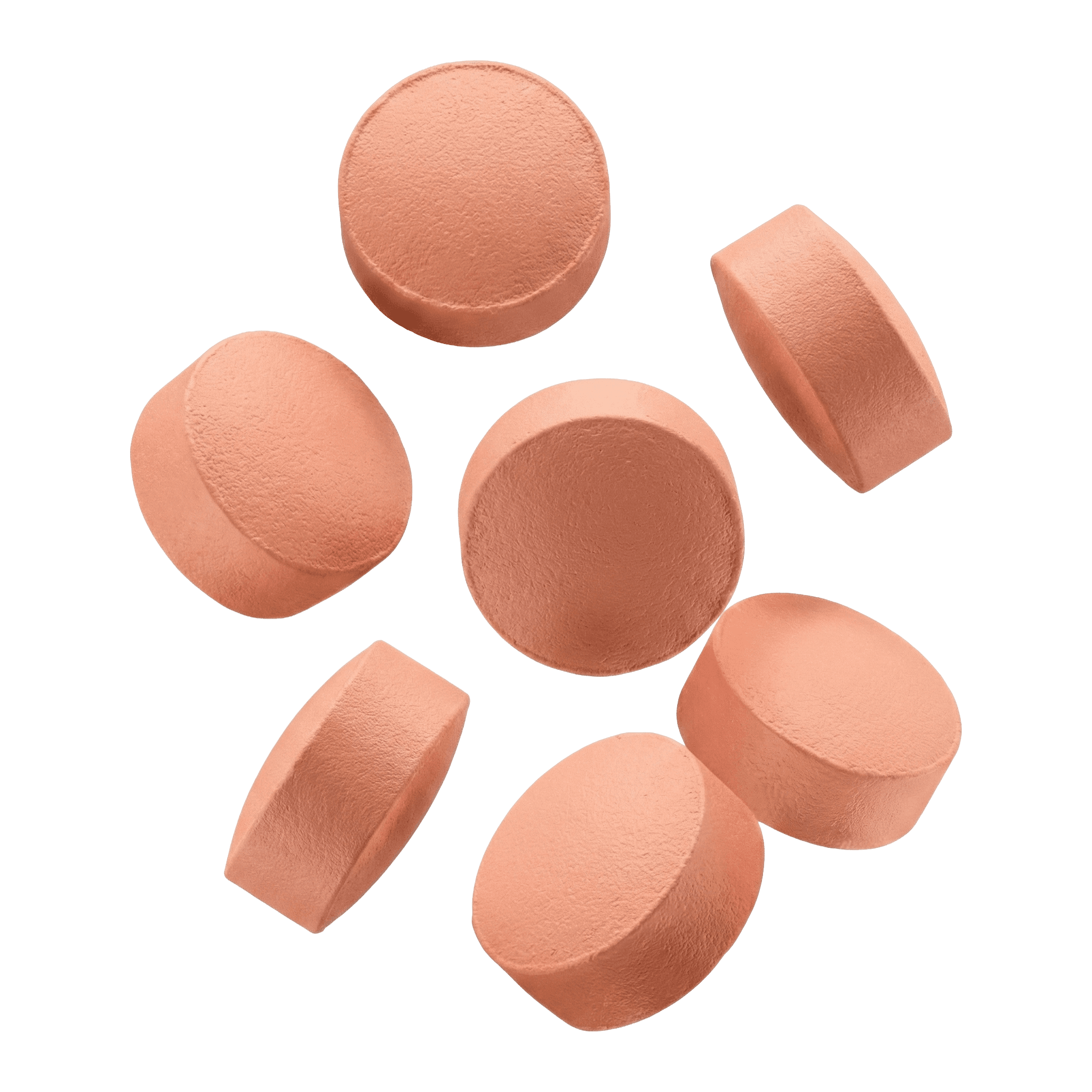
Finasteride works by blocking the enzyme (5-alpha reductase) that converts testosterone into dihydrotestosterone, or DHT. DHT is the main hormonal driver of male pattern baldness. It causes hair follicles to gradually miniaturise over time, producing finer, shorter hair until the follicle eventually stops producing anything at all. By lowering DHT levels in the scalp, finasteride slows this process and, in many men, reverses it. It's taken as a 1mg oral tablet once daily and is MHRA-licensed specifically for androgenetic alopecia.
Importantly, finasteride works best on follicles that are still active (thinning rather than completely bald). It won't revive follicles that have already stopped producing hair entirely.
Minoxidil takes a different approach entirely. It acts directly on the scalp by dilating blood vessels and improving blood flow to the hair follicles, which helps extend the anagen (active growth) phase of the hair cycle and stimulates follicle activity. Originally developed as an oral treatment for high blood pressure, its hair growth effects were discovered as a side effect and it's been used for this purpose since the late 1980s.
Topical minoxidil (as a 2% or 5% solution or foam) is the most widely used form. Oral minoxidil is also increasingly prescribed in the UK, though at lower doses (typically 2.5mg) and currently off-label for hair loss. More on that below.
Because finasteride addresses the hormonal cause of hair loss and minoxidil directly stimulates follicle activity, they're treating the same condition from two different angles. That's why they work well together.
What the Research Actually Shows#
The evidence for combination therapy is solid. A 2022 network meta-analysis published in JAMA Dermatology, looking at multiple treatments for androgenetic alopecia, consistently found that combination finasteride and minoxidil outperformed either treatment alone across outcome measures.
A 2025 retrospective study from a UK digital health service (published in PMC) followed 502 men taking combined oral minoxidil (2.5mg) and finasteride (1mg) over 12 months. The results: 92.4% of men achieved stable or improved outcomes, and 57.4% showed marked improvement. Effect sizes were meaningful, particularly in men with more advanced hair loss at baseline (Norwood grades 4 and above). These weren't cherry-picked clinical trial participants. They were real-world UK patients, which gives the findings genuine ecological validity.
A separate systematic review and meta-analysis in Aesthetic Plastic Surgery analysed data from multiple randomised controlled trials and drew the same conclusion: combined finasteride and topical minoxidil is more effective than using either alone, with no significant increase in serious adverse effects.
For men who've already tried one treatment and found results disappointing, adding the second is often where the real improvement happens.
Oral Minoxidil vs Topical Minoxidil#
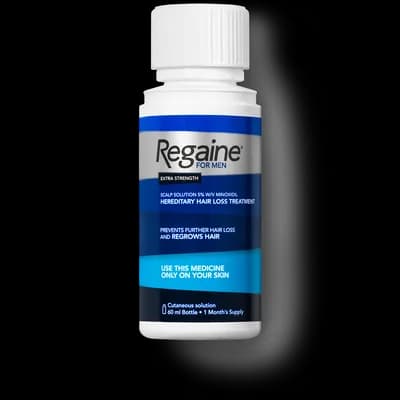
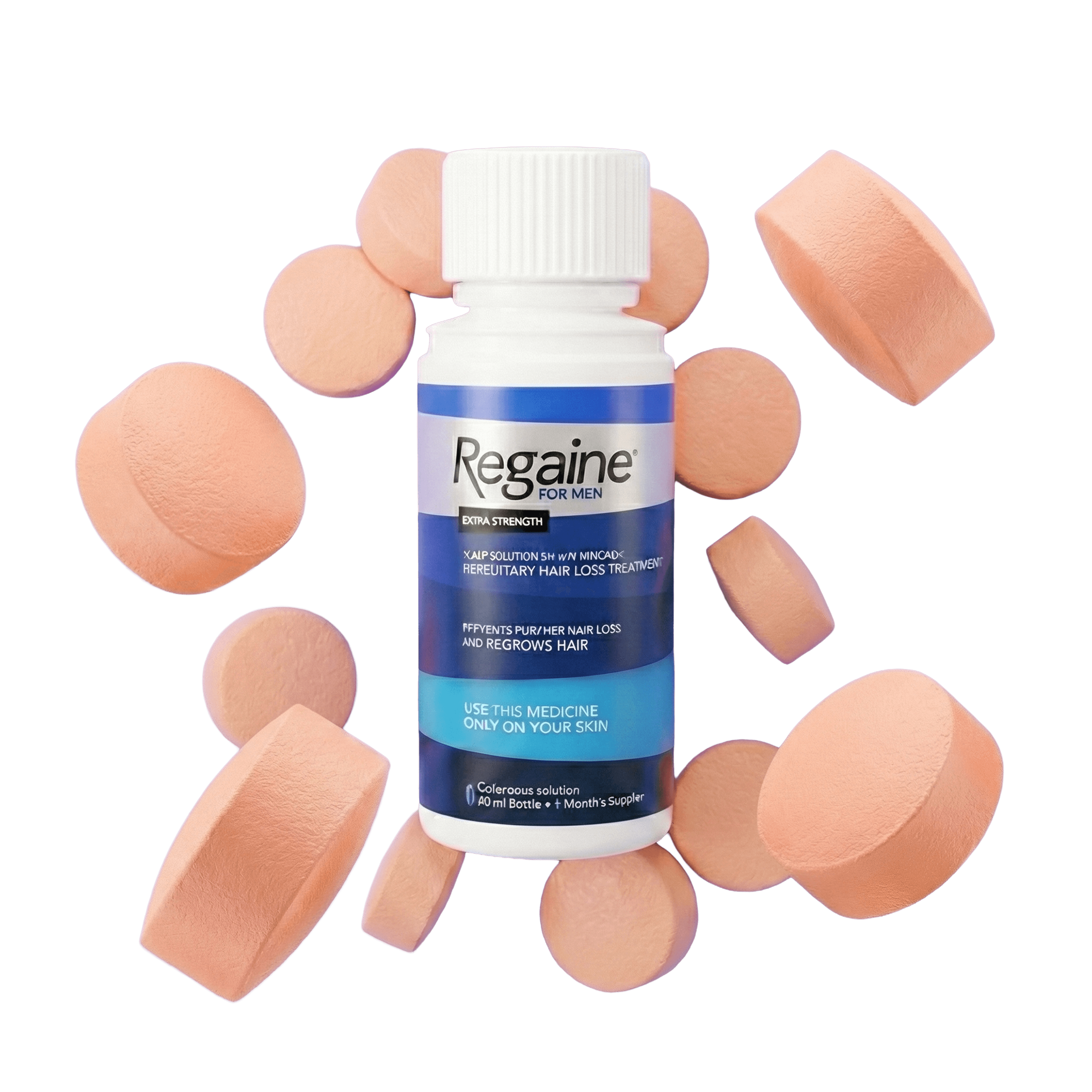
Most people are familiar with topical minoxidil, sold as Regaine in the UK. It's applied directly to the scalp once or twice daily and is licensed for male pattern hair loss. The 5% solution is more effective than the 2% for men, though both require consistent use.
Oral minoxidil is a different formulation that's attracting increasing clinical interest. At low doses (typically 2.5mg for men), it avoids some of the scalp-application burden that makes topical minoxidil hard to stick to, particularly for men with longer hair or active lifestyles. A 2024 randomised clinical trial published in JAMA Dermatology found oral minoxidil comparable in efficacy to topical 5% minoxidil for male androgenetic alopecia.
However, oral minoxidil does come with a different side effect profile. Because it enters the bloodstream rather than acting locally, there's a higher chance of systemic effects like fluid retention, a faster heart rate, or unwanted hair growth on the face or body (hypertrichosis). It's also prescribed off-label in the UK, which means it falls outside standard licensed indications and requires careful clinical assessment before prescribing.
Topical minoxidil remains the standard first-line option for most men. Oral minoxidil is increasingly used where topical adherence is a barrier or where a clinician considers it appropriate.
Realistic Results and Timelines#
Patience is genuinely required here. Neither treatment produces results quickly, and the combination is no exception.
- Weeks 1 to 8: Some men notice increased shedding early on, particularly with minoxidil. This is normal and reflects the hair cycle resetting, not the treatment failing.
- 3 to 6 months: This is when most men start seeing meaningful stabilisation. Hair loss slows noticeably, and some early regrowth may appear.
- 6 to 12 months: Visible improvements in density and coverage become more apparent. The 12-month mark is typically used in clinical studies as the primary assessment point.
- Beyond 12 months: Some men continue to see gradual improvement for up to two years after starting treatment.
One crucial point: these treatments only work while you take them. Stopping finasteride or minoxidil will gradually reverse the progress made, often within 6 to 12 months of stopping. This is a long-term commitment rather than a course of treatment.
Side Effects Worth Knowing About#
Both treatments are generally well tolerated, but it's worth having an honest conversation about the risks rather than glossing over them.
Finasteride side effects are uncommon but include reduced libido, erectile dysfunction, and ejaculation changes. These are reported in roughly 1 to 3% of men in clinical trials and typically resolve after stopping the medication. There is a small body of evidence around post-finasteride syndrome, where some men report persistent sexual or psychological symptoms even after stopping treatment. The MHRA acknowledges this and recommends that prescribers discuss it with patients before starting. If you're concerned, this is exactly the kind of conversation to have with a clinician before you begin, not after.
Finasteride is not suitable for use by women of childbearing age and should never be handled by pregnant women, as it can cause harm to a developing male foetus.
Topical minoxidil side effects are usually local: scalp irritation, dryness, or itching. Some men experience initial shedding in the first few weeks. Systemic effects are rare with topical application but can occur.
Oral minoxidil side effects are more likely to be systemic, including hypertrichosis (increased body and facial hair), fluid retention, and cardiovascular effects. It's not recommended for men with certain heart conditions. A full medical assessment is essential before starting.
For context, most men who use these treatments tolerate them well over the long term. But informed consent matters, and any good clinician (or pharmacist-led service) should walk you through the risks before you start.
Got questions? Speak to a pharmacist on WhatsApp now
Prefer to browse first? View treatments
How to Use Them Together#
From a practical standpoint, combining finasteride and topical minoxidil is straightforward:
- Take finasteride 1mg orally once a day, at the same time each day
- Apply topical minoxidil (5% solution or foam for men) to dry scalp once or twice daily, as directed
- Let minoxidil dry completely before styling hair or going to bed
- Wash hands after applying topical minoxidil
Finasteride and minoxidil don't interact with each other, so there are no timing restrictions around taking or applying them relative to one another. Some men also use combined topical formulations that contain both ingredients in a single preparation, which can simplify the routine.
Consistency is everything. Missing doses or stopping and starting reduces effectiveness significantly.
Getting Treatment in the UK#
Finasteride 1mg for hair loss requires a prescription in the UK. Topical minoxidil (Regaine) is available over the counter, though a clinical assessment is worthwhile before starting, particularly if you have any underlying health conditions or are taking other medications.
Oral minoxidil requires a prescription and, as an off-label use, should be prescribed by a clinician who has assessed your suitability.
Finasteride for hair loss is not routinely funded on the NHS. Most men access it through private prescribers or regulated online pharmacy services. This is one area where digital health platforms have genuinely improved access, making it easier to get a proper clinical assessment and a prescription without waiting for a GP appointment.
If you're considering combination treatment, Totiva's hair loss service offers online consultations with UK-registered clinicians who can assess your suitability for finasteride, minoxidil, or both. Totiva is GPhC-registered (registration 9012997) and the consultation is free. You only pay for treatment if it's prescribed and appropriate for you.
Current pricing for Totiva's finasteride and minoxidil combination is £45.99 for a one-month supply or £109.99 for three months. Finasteride alone starts from £14.99 for 28 tablets. There's no subscription requirement.
Is Combination Therapy Right for You?#
Not every man needs both treatments. If you're in the early stages of hair loss, a single treatment might be sufficient to stabilise things. If you've been on one treatment for six to twelve months without satisfying results, adding the second is a reasonable next step.
Men with more advanced hair loss at baseline (Norwood grades 4 to 7) tended to see the greatest absolute gains in the UK retrospective study, which suggests the combination is particularly worth considering if thinning is already significant.
The key is getting a proper assessment rather than self-medicating. Hair loss patterns vary, and treatments that are appropriate for one person may not suit another depending on medical history, medications, and individual risk factors.
If you'd like to explore your options, starting a consultation with Totiva takes a few minutes and gives you access to clinicians who can advise on what's right for your situation without any obligation to proceed.
Medical Information: This article is for informational purposes only and does not constitute medical advice. Always consult a qualified healthcare professional before starting, stopping, or changing any treatment.