What Age Does a Man Stop Getting Hard?
There's no age when erections simply switch off. Here's what actually changes decade by decade, why it happens, and what you can do about it.
Written and medically reviewed by:

Key Takeaways
There's no age when erections stop completely. ED becomes more common with age, affecting around 40% of men in their 40s and 70% by their 70s, but most cases are treatable with medication, lifestyle changes, or both.
There is no fixed age at which a man stops being able to get an erection. Erectile function can change gradually over decades, but for most men it never disappears entirely. What changes is the quality, firmness, and reliability of erections rather than the ability itself. Understanding what drives those changes makes them far less alarming and, more importantly, far more treatable.
How common is erectile difficulty at different ages?#
About 4.3 million men in the UK are affected by erectile dysfunction (ED) to some degree. Prevalence rises steadily with age, but it is worth knowing that ED is not exclusive to older men.
| Age group | Approximate prevalence of some ED |
|---|---|
| 20s | 8–10% (often psychological) |
| 40s | Around 40% |
| 50s | Around 46–50% |
| 60s | Around 60% |
| 70+ | Around 70% |
Notice that even at 70, roughly 3 in 10 men report no significant ED. And many of those who do have difficulties can restore normal function with treatment.
What actually changes with age#
Erections depend on three things working together: healthy blood vessels, functioning nerves, and adequate testosterone. Age affects all three, but at different rates.
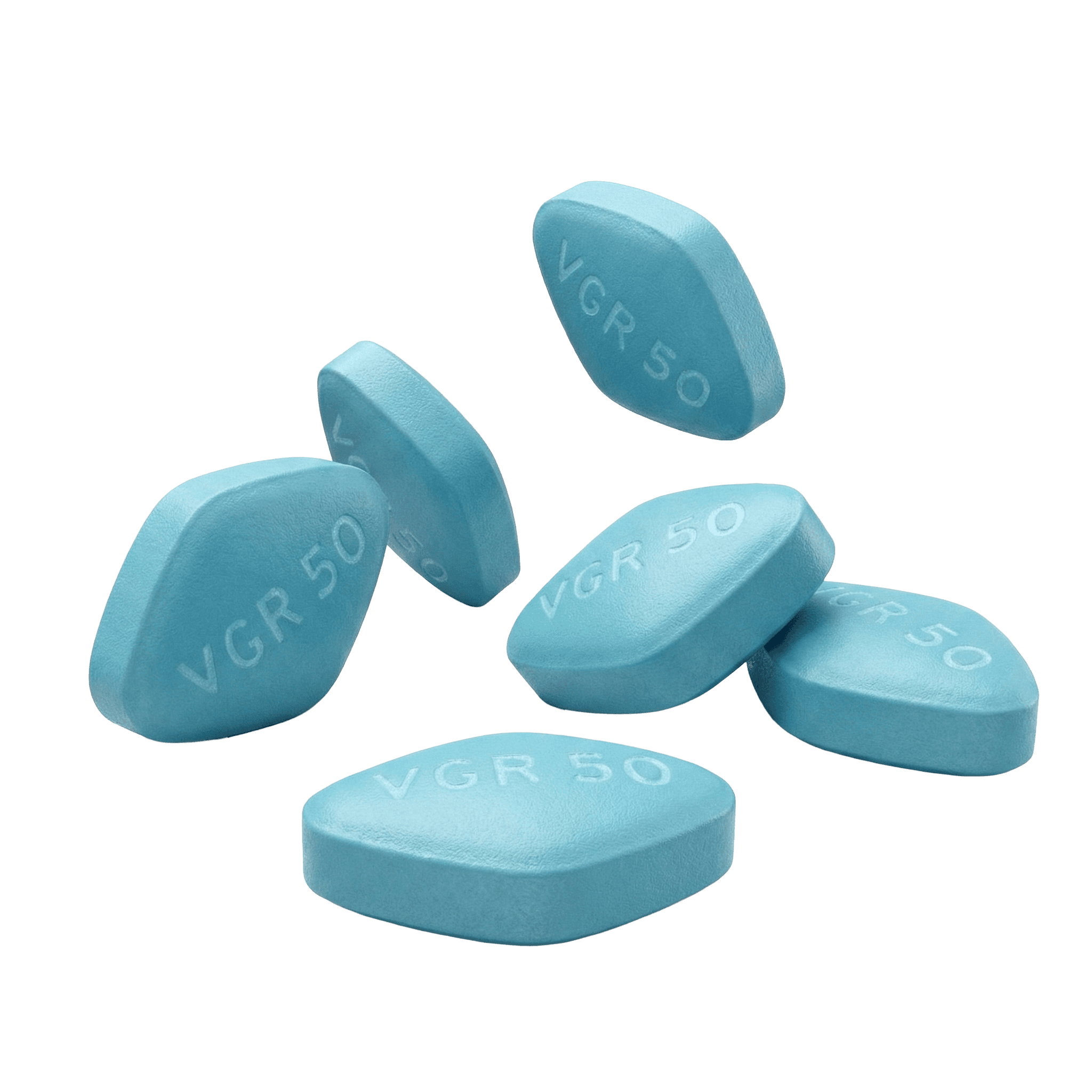
Vascular changes are the biggest factor. Arteries throughout the body, including those supplying the penis, gradually stiffen and narrow. Nitric oxide (the chemical signal that tells penile blood vessels to relax and fill) is produced in smaller amounts as you get older. Less nitric oxide means slower, less firm erections. This is the same mechanism targeted by sildenafil (Viagra) and tadalafil (Cialis), which is why these medicines work so effectively in older men.
Testosterone declines at roughly 1–2% per year after the age of 30. By itself, a gradual testosterone drop does not usually cause ED, but it can reduce libido (sex drive) and make it harder to achieve arousal. Low testosterone is more likely to show up as reduced desire than as an outright inability to get an erection.
Nerve sensitivity also decreases with age. This means more stimulation is often needed to achieve the same response, and the refractory period (the time needed between erections) lengthens. A man in his 20s might recover in minutes; at 50 it is more commonly several hours. This is normal physiology, not ED.
Not sure which treatment is right for you?
The refractory period versus actual ED#
This distinction matters. Many men in their 40s and 50s worry about ED when what they are actually experiencing is a longer recovery time between erections. True ED means difficulty achieving or maintaining an erection firm enough for penetrative sex, not simply needing more time before the next one. If morning erections still occur regularly, the physical mechanism is likely intact, and the issue may be situational or psychological.
Morning erections (nocturnal penile tumescence) are a useful self-check. They happen during REM sleep regardless of sexual thoughts. If they are present, blood flow and nerve function are working. Sudden loss of morning erections in a man who previously had them consistently is a signal worth discussing with a GP.
Cardiovascular health and ED#
ED in a man over 45 with no obvious explanation is worth taking seriously as a potential cardiovascular signal. The penile arteries are small, so reduced blood flow tends to show up there before it affects larger vessels like the coronary arteries. Research published in BJU International has shown that ED can precede a cardiac event by several years in some men.
A GP assessing ED in this age group would typically check blood pressure, fasting glucose (to screen for type 2 diabetes), cholesterol, and testosterone. That is not an overreaction. It is routine and genuinely useful.
What the 50s and beyond look like#
Prostate conditions become more common after 50. Benign prostatic hyperplasia (BPH) and its treatments can affect erections directly. Men who have had a radical prostatectomy for prostate cancer (the most common male cancer in the UK) frequently experience ED afterwards, though the degree depends on the surgical approach and the nerves involved. Post-prostatectomy ED has good treatment options and is not necessarily permanent.
Peyronie's disease, where scar tissue forms inside the penis causing curvature or pain during erections, is another condition that becomes more likely with age and can affect erection quality. If you notice a new bend or plaque, a GP referral to urology is the right step.
Got questions? Speak to a pharmacist on WhatsApp now
Prefer to browse first? View treatments
Treatment options#
Most age-related ED responds well to treatment. NICE guidelines (CG97) recommend PDE5 inhibitors as first-line therapy. These include sildenafil and tadalafil, both available in the UK as generics.
Important: PDE5 inhibitors must not be taken with nitrate medicines (used for chest pain) due to a serious drop in blood pressure that can be life-threatening. Always disclose all current medications to a clinician or pharmacist before starting treatment.
- Sildenafil (taken roughly an hour before sex, lasts up to 4 hours)
- Tadalafil (taken as needed, lasts up to 36 hours, or as a daily low dose for spontaneous activity)
ViagraCONNECT, the branded 50mg sildenafil, has been available over the counter in UK pharmacies without a prescription since 2018. Before supplying it, the pharmacist conducts a structured, MHRA-mandated consultation to screen for contraindications — including use of nitrate medicines, certain antihypertensives, and severe liver impairment — so it is important to answer all questions fully and accurately.
Similarly, Cialis Together, the branded 5mg daily tadalafil, is available over the counter at UK pharmacies, subject to the same structured pharmacist consultation.
For men with diabetes, multiple sclerosis, or certain other specific conditions listed in NHS criteria, a GP can prescribe sildenafil on the NHS at no cost. Eligibility is defined by those criteria, so it is worth checking with your GP whether you qualify.
Lifestyle changes also genuinely help. Regular aerobic exercise, stopping smoking, reducing alcohol, and managing weight all improve vascular function and can restore erection quality without medication.
Psychological therapy (typically CBT or psychosexual therapy) is effective for ED with a psychological component, which is very common in younger men and often present alongside physical causes in older men.
If you want to understand your options, Totiva's ED treatment service offers a free, confidential online consultation with UK-registered clinicians — no subscription required — covering everything from sildenafil to daily tadalafil.
FAQs#
Do men in their 20s and 30s get ED? Yes. ED in younger men is more often psychological (anxiety, stress, relationship issues) than physical, but it is genuinely common. It responds particularly well to psychosexual therapy, though medication can also help.
At what age do most men start using Viagra or tadalafil? There is no single crossover point, but use increases significantly from the mid-40s onwards as vascular changes accumulate. Some men in their 30s use it situationally for performance anxiety. The medicines are safe for most healthy men, but they must not be taken with nitrate medicines (used for chest pain) due to a serious blood pressure interaction.
Can ED be reversed, or is it permanent? For most men, particularly where lifestyle factors or treatable conditions are the cause, ED can be significantly improved or resolved. Even age-related ED rarely means permanent inability. Medication, lifestyle changes, and addressing underlying conditions make a real difference for the majority of men.
Not sure which treatment is right for you?
Medical Information: This article is for informational purposes only and does not constitute medical advice. Always consult a qualified healthcare professional before starting, stopping, or changing any treatment.