Is Obesity a Disease? What UK Guidance Actually Says
Obesity is now recognised as a chronic disease in the UK, not a lifestyle failing. Here's what that means for how it's diagnosed and treated on the NHS.
Written and medically reviewed by:

Key Takeaways
Obesity is officially classified as a chronic disease by NICE, the NHS, and the WHO. It has biological, genetic, and hormonal causes, not just lifestyle ones. Treatment involves a combination of lifestyle support, NHS referral pathways, and medication where appropriate.
Yes, obesity is classified as a chronic disease. The World Health Organization defines it as a complex, chronic condition characterised by excess body fat that impairs health. NICE and NHS England align with this view, treating obesity as a medical condition driven by biological, genetic, environmental, and psychological factors, not simply a lack of willpower.
This shift in thinking matters. When obesity is framed as a personal failing, people feel shame and delay seeking help. When it is understood as a disease, the focus moves to appropriate treatment and long-term management.
How obesity is measured in the UK#
The NHS uses body mass index (BMI) as the standard screening tool. A BMI of 30 kg/m² or above is classified as obesity. A BMI between 25 and 29.9 kg/m² is classified as overweight.
BMI has real limitations. It does not distinguish between fat and muscle, and it does not show where fat is stored. That is why NICE guidance also recommends measuring waist circumference. In men, a waist above 94 cm signals increased health risk; above 102 cm signals very high risk. In women, the thresholds are 80 cm and 88 cm.
For people from Black, Asian, and other minority ethnic backgrounds, NICE recommends lower BMI thresholds because the health risks begin at a lower body weight. For these groups, increased risk starts at a BMI of around 23 kg/m², and high risk at 27.5 kg/m². South Asian men may face increased cardiovascular risk at a lower waist circumference than the general population 94 cm threshold, though NICE guidance recommends applying clinical judgement rather than a fixed alternative cutoff.
Why obesity cannot be explained by diet alone#
Around 250 genes are linked to obesity. One of the most studied is the FTO gene, which increases the likelihood of weight gain independent of diet. Genetics influence how much fat you store, where you store it, and how hungry you feel.
Hormones are central to the picture too. Conditions such as hypothyroidism and polycystic ovary syndrome (PCOS) alter metabolism and make weight loss harder regardless of calorie intake. Sleep deprivation raises ghrelin, the hormone that drives hunger, and suppresses leptin, which signals fullness. Chronic stress raises cortisol, which promotes fat storage around the abdomen.
This is why two people eating the same diet can have very different outcomes. Obesity is not a uniform condition with a single cause.

What obesity does to the body#
Excess body fat, particularly around the abdomen, triggers a cascade of metabolic changes. Understanding three key terms helps:
Insulin resistance is when your cells stop responding properly to insulin, the hormone that moves glucose from the blood into cells for energy. The body compensates by producing more insulin, which drives fat storage and raises blood sugar over time. Left unmanaged, this is how type 2 diabetes develops.
Dyslipidaemia means abnormal blood fat levels, typically high triglycerides and low HDL ("good") cholesterol. This combination raises cardiovascular risk significantly.
Chronic low-grade inflammation occurs because fat tissue, especially visceral fat around the organs, releases inflammatory proteins called cytokines. Persistent inflammation damages blood vessels, contributes to insulin resistance, and is linked to several cancers.
These three processes often cluster together with high blood pressure and a large waist circumference. This cluster is called metabolic syndrome, and it roughly doubles the risk of heart disease and increases the risk of type 2 diabetes fivefold.
Obesity is also the leading cause of metabolic dysfunction-associated steatotic liver disease (MASLD, formerly called non-alcoholic fatty liver disease), a condition affecting an estimated 25% of UK adults that can progress to serious liver damage if untreated. Sleep apnoea is both a cause and consequence of obesity: excess fat around the neck narrows the airway, and disrupted sleep then worsens the hormonal drivers of weight gain.
A new clinical distinction: preclinical vs clinical obesity#
In 2025, the Lancet Commission on Clinical Obesity proposed an important distinction that UK clinicians are beginning to adopt. Preclinical obesity describes a state where BMI and body fat are above healthy thresholds, but organ function is currently normal. Clinical obesity describes the stage where excess fat is already impairing organ function or daily physical capacity.
This framework matters because it shifts the clinical goal. In preclinical obesity, the aim is prevention. In clinical obesity, active treatment of existing damage is needed. It also challenges the assumption that a normal blood test means obesity carries no current health risk.
NHS treatment options#
NICE guidance supports a tiered approach to obesity management:
- Tier 2 services offer structured community-based lifestyle programmes including dietary coaching, physical activity support, and behavioural therapy. GPs can refer patients directly.
- Tier 3 specialist weight management services provide intensive multidisciplinary input, including psychology, dietetics, and medical review. These are typically for people with severe obesity or significant complications.
- Tier 4 covers bariatric surgery, which is considered when other approaches have not achieved sufficient weight loss.
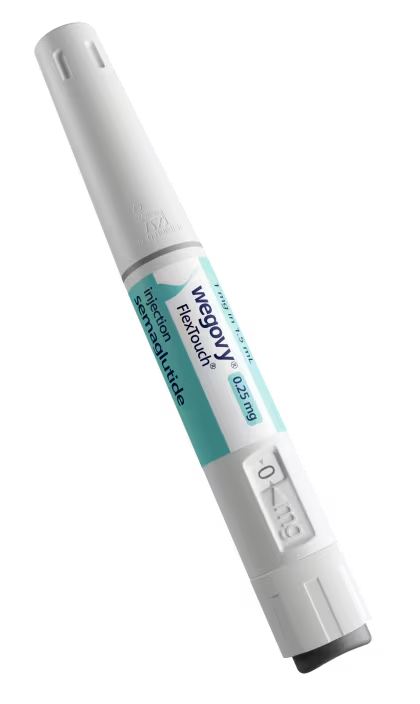
Medication sits alongside these tiers, not instead of them. NHS England currently funds GLP-1 receptor agonists including semaglutide (Wegovy) through specialist weight management services. NICE technology appraisal TA964 approved semaglutide (Wegovy) for adults with a BMI of 35 kg/m² or above plus at least one weight-related health condition, though access varies by area. GPs have recently been offered incentives to prescribe anti-obesity medication covering 220,000 courses over three years, but eligibility criteria remain strict, meaning many people who could benefit from earlier intervention do not yet qualify.
Got questions? Speak to a pharmacist on WhatsApp now
Prefer to browse first? View treatments
GLP-1 medications and the weight regain problem#
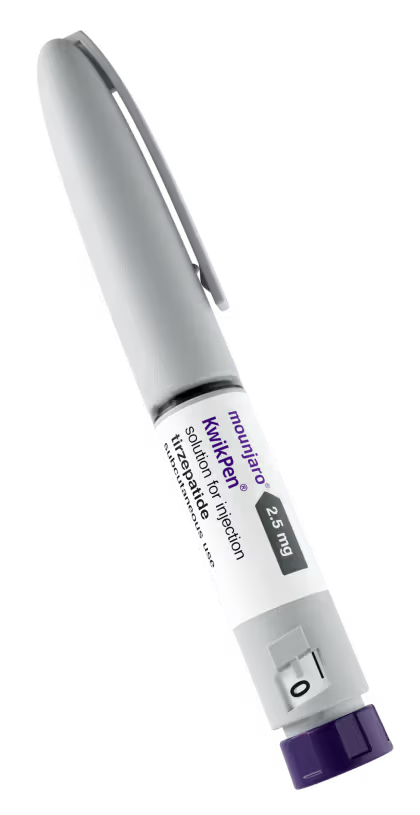
GLP-1 drugs work by mimicking gut hormones that reduce appetite and slow stomach emptying. Semaglutide (Wegovy and Wegovy Tablets) and tirzepatide (Mounjaro) are the main licensed options currently available in the UK, with oral semaglutide (Rybelsus/Foundayo) also available in certain formulations. In clinical trials, semaglutide (Wegovy) achieved around 15% average weight loss (STEP 1 trial), while tirzepatide (Mounjaro) achieved around 20–22% average weight loss (SURMOUNT-1 trial).
The STEP 4 trial showed that stopping semaglutide leads to significant weight regain within a year. Roughly two-thirds of the weight lost returns after stopping treatment. This is why experts describe obesity as a chronic relapsing condition and why lifestyle support must accompany medication, not be replaced by it. Physical activity and dietary habits need to be built during treatment so they can sustain results if medication is later reduced.
If you are considering treatment options, Totiva's weight loss service covers a range of GLP-1 treatments and includes a clinical consultation to assess what is suitable for your situation.
Medical Information: This article is for informational purposes only and does not constitute medical advice. Always consult a qualified healthcare professional before starting, stopping, or changing any treatment.