Does Sertraline Cause Weight Gain?
Sertraline can affect your weight, but the picture is more nuanced than a simple yes or no. Here's what the evidence actually shows.
Written by:

Medically reviewed by Chris Armstrong, MPharm
Key Takeaways
Sertraline can cause gradual weight gain in some people, typically around 1-3 kg over a year. It's not inevitable, and lifestyle adjustments can help. Speak to your GP if it becomes a significant concern.
Sertraline does cause weight gain in some people, but not everyone, and the effect is often modest and gradual rather than dramatic. Research suggests the average weight gain associated with long-term sertraline use is around 1–3 kg over the course of a year, though some people experience more and others notice no change at all. A small number actually lose a little weight when they first start, particularly if low mood was suppressing their appetite beforehand.
Understanding what's actually going on, and what you can do about it, is much more useful than just worrying about the number on the scale.
How sertraline affects body weight#
Sertraline belongs to a class of antidepressants called selective serotonin reuptake inhibitors (SSRIs). It works by increasing serotonin activity in the brain, which helps regulate mood. Serotonin also plays a role in appetite and feelings of fullness, which is part of why SSRIs can influence weight.
There are a few mechanisms thought to be involved:
- Appetite changes. Some people find that sertraline makes food more appealing, especially carbohydrate-rich foods. Serotonin signalling is closely tied to carbohydrate cravings in particular.
- Metabolic effects. There's some evidence that SSRIs can affect how the body processes glucose and fat over time, though this is more relevant with longer-term use.
- Improved mood and recovery. When depression lifts, people often start eating more normally again. If someone was undereating due to low mood, returning to a healthy appetite can look like weight gain but is actually recovery.
- Reduced activity during dose adjustment. Fatigue and nausea are common in the first few weeks of taking sertraline. If you're moving less and eating the same, weight can creep up.
The honest answer is that weight change with sertraline is rarely a single-cause phenomenon. It's usually a mix of the medication itself and what's happening in your life as your mental health improves.
Short-term vs long-term weight changes#
The timeline matters quite a bit here. In the first few weeks, many people actually lose a small amount of weight. Nausea is a very common early side effect of sertraline, and it often reduces appetite temporarily. This usually settles within a fortnight or so.
Beyond the first month, the picture shifts. Studies tracking patients over six to twelve months tend to show gradual weight gain in a meaningful proportion of users. A large UK primary care study published in the BMJ found that people prescribed SSRIs had about 21% higher odds of gaining clinically significant weight (more than 5% of body weight) over the following year compared to people not taking them.
The risk appears to increase with duration of treatment. The same BMJ study found that the association between SSRI use and weight gain became stronger at two and three years of follow-up. This doesn't mean you should stop taking your medication, but it does mean it's worth being aware of the trend if you're on sertraline long-term.
Is weight gain inevitable?#
No. Plenty of people take sertraline for years without gaining significant weight. Individual variation is substantial, and a lot depends on factors like your starting weight, diet, activity levels, and how your depression affects your relationship with food.
Age seems to play a role too. Some research suggests weight gain with SSRIs is more pronounced in younger adults, while older patients may be less affected. People who are already at a higher body weight before starting treatment may also be more likely to notice changes.
The dose doesn't appear to have a strong relationship with weight gain risk, at least not in the research that's available. Going from 50 mg to 100 mg of sertraline doesn't necessarily double your risk of gaining weight.
Managing weight while on sertraline#
If you're concerned about weight gain, there are practical things you can do without stopping your medication.
Pay attention to carbohydrate cravings. Sertraline can make you more drawn to sugary and starchy foods. Simply being aware of this can help you make more deliberate choices. This isn't about strict dieting, just noticing the pattern.
Keep moving, even gently. Exercise is particularly helpful here because it supports both physical and mental health. You don't need to join a gym. A 30-minute walk most days is genuinely effective. Regular physical activity also tends to improve mood, which can reduce the underlying need for higher antidepressant doses over time.
Eat regularly. Skipping meals can worsen cravings later in the day. Three balanced meals with adequate protein and fibre helps keep appetite steadier.
Track changes rather than ignoring them. Weighing yourself weekly (not daily, which is too noisy) and noting the trend means you can act early rather than after significant gain has accumulated.
Talk to your prescriber. If weight gain is becoming a real problem for you, this is worth raising at your next appointment. In some cases, switching to a different antidepressant may be considered, though this is a clinical decision that depends on your overall mental health history. Bupropion, for example, tends to be weight-neutral or associated with mild weight loss, though it isn't always appropriate.
When weight gain after sertraline feels significant#
For some people, the weight gained while on antidepressants becomes a longer-term issue even after stopping the medication. If you've been on sertraline for a year or more and have gained a meaningful amount of weight, it's worth approaching this like any other weight management challenge, with proper clinical support rather than crash diets.
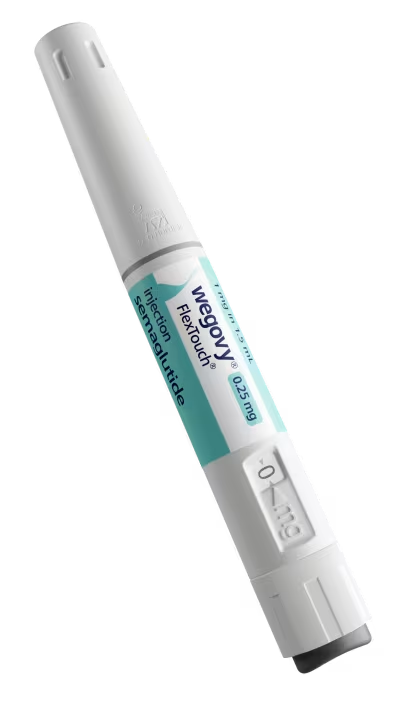
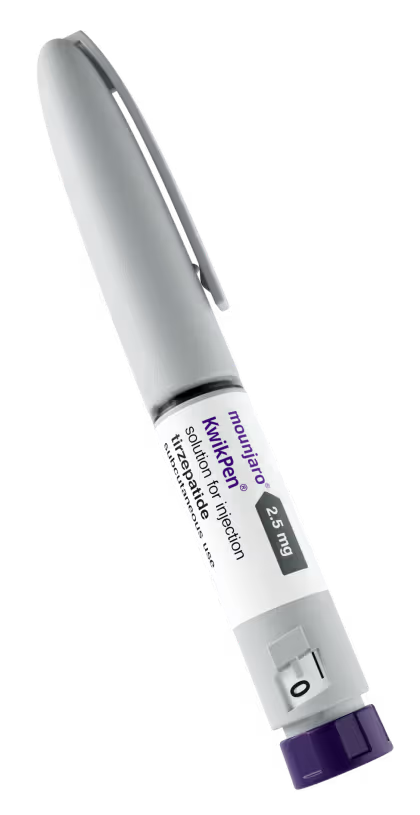
For people who are carrying significant excess weight and struggling to shift it through lifestyle changes alone, there are now effective medical treatments available. GLP-1 receptor agonists like Wegovy (semaglutide) and Mounjaro (tirzepatide) have strong clinical evidence behind them and are available in the UK with a prescription. Wegovy is licensed for weight management, and Mounjaro (as Mounjaro for weight management) has shown impressive results in clinical trials, with participants losing up to 22.5% of their body weight on average.
If you're in this situation and want to explore your options, Totiva's weight loss service offers pharmacist-led online consultations to assess whether these treatments might be suitable for you. Eligibility generally requires a BMI over 30, or over 27 with a weight-related health condition, and you need to be aged 18 to 74.
Got questions? Speak to a pharmacist on WhatsApp now
Prefer to browse first? View treatments
Does stopping sertraline reverse the weight gain?#
Potentially, but it's not guaranteed. Some people do lose weight after coming off sertraline, particularly if they had ongoing appetite changes while taking it. Others find the weight doesn't shift automatically, possibly because habits formed over months or years are harder to reverse than the pharmacological trigger.
Stopping sertraline (or any antidepressant) should never be done abruptly. Withdrawal effects are real and can be significant, including dizziness, flu-like symptoms, and low mood. Always taper under guidance from your GP or prescriber.
If your reason for considering stopping sertraline is primarily the weight gain, it's worth discussing this with your doctor first. The mental health benefits of staying on an effective antidepressant usually outweigh the relatively modest weight effects for most people, but that's a judgement call you make with your clinician, not alone.
Sertraline and weight in context#
It helps to keep perspective. Depression itself is associated with weight changes, metabolic disturbance, and reduced motivation to exercise. Treating depression effectively, even if there's a small weight gain, often results in better overall health outcomes than leaving depression untreated.
The NHS and NICE both emphasise that antidepressants should be used alongside lifestyle support, not as a standalone intervention. If you're on sertraline, regular check-ins with your GP about both your mental health and your physical health are valuable. Many GPs will monitor weight, blood pressure, and blood glucose in patients on long-term antidepressants, particularly if there are other risk factors.
If medication-related weight gain is genuinely affecting your quality of life and you feel that lifestyle changes alone aren't enough, it's worth having a direct conversation about your options. Evidence-based weight management treatments have improved substantially in recent years, and there's no reason to struggle in silence.
For those who want to explore medical weight management options alongside their mental health treatment, Totiva's free online consultation is a straightforward starting point. Clinicians review your full health profile before making any recommendations, so your antidepressant use and overall situation are taken into account.
A note on antidepressants and appetite#
It's worth briefly mentioning that not all antidepressants behave the same way. Among SSRIs, paroxetine tends to be associated with the most weight gain, while fluoxetine is often considered the most weight-neutral option. Sertraline sits somewhere in the middle of that range.
If you've tried sertraline and found the weight gain intolerable, it's a legitimate clinical conversation to have with your GP. Switching antidepressants isn't trivial and carries its own risks during the transition period, but it's an option that some people find worthwhile. Your prescriber can walk you through the considerations.
The key point is that weight changes with sertraline are common but manageable, and you have more options than simply accepting them or stopping treatment entirely.
Medical Information: This article is for informational purposes only and does not constitute medical advice. Always consult a qualified healthcare professional before starting, stopping, or changing any treatment.