Does Amlodipine Cause Erectile Dysfunction?
Amlodipine lists ED as an uncommon side effect, but the picture is more complex. Here's what the evidence actually says, and what you can do about it.
Written by:

Medically reviewed by Chris Armstrong, MPharm
Key Takeaways
Amlodipine can cause ED in roughly 1 in 100 to 1 in 1,000 men, but it has a better sexual side-effect profile than most other blood pressure drugs. ED in this group is often linked to the underlying condition, anxiety, or lifestyle factors as much as the medication itself.
Amlodipine is one of the most commonly dispensed medicines in England, prescribed to millions of men for high blood pressure and angina. So it's a fair question: can it cause erectile dysfunction? The short answer is yes, possibly, but it's one of the least likely blood pressure medications to do so. Understanding why requires a quick look at how the drug works, how erections work, and what the research actually shows.
What Is Amlodipine and How Does It Work?#
Amlodipine is a calcium channel blocker. It works by preventing calcium from entering the smooth muscle cells lining your blood vessel walls. Without that calcium signal, the muscles relax, the vessels widen, and blood pressure falls. It's taken once daily, usually as a 5mg or 10mg tablet, and in the UK it's most commonly dispensed as a generic or under the brand name Istin. You might see it referred to as Norvasc in some online searches, but that brand name isn't standard in NHS practice.
According to NICE guideline NG136 on hypertension in adults, calcium channel blockers like amlodipine are the recommended first-line treatment for people aged 55 and over, or for black African and African-Caribbean patients of any age. That puts a lot of men in the age bracket where erectile dysfunction is also increasingly common, which makes separating the drug's effects from the underlying condition genuinely tricky.
Why Blood Pressure Medications and Erections Don't Always Mix#
Erections depend on blood flow. When you're aroused, the smooth muscle in the penile arteries relaxes, blood rushes in, and pressure builds up inside the corpus cavernosum to produce an erection. Anything that interferes with blood vessel function, nerve signalling, or hormonal balance can disrupt that process.
Hypertension itself damages blood vessels over time, which is one reason ED is so much more prevalent in men with cardiovascular disease. A landmark paper in the American Journal of Cardiology found that ED can actually serve as an early warning sign of underlying cardiovascular problems. In other words, the condition being treated may be contributing to ED independently of the medicine being used.
That said, some antihypertensive drug classes do make ED worse, and it's worth knowing where amlodipine sits in that picture.
How Different Blood Pressure Drugs Compare#
Not all antihypertensives affect erectile function equally. A 2021 network meta-analysis published in Cardiovascular Drugs and Therapy compared the impact of major antihypertensive drug classes on erectile function and found meaningful differences:
- Beta-blockers (particularly older ones like atenolol and metoprolol) have the strongest association with ED, likely because they reduce cardiac output and blunt the sympathetic nerve signals involved in arousal. Nebivolol is a notable exception, as it releases nitric oxide in penile tissue and may actually improve erectile function.
- Thiazide diuretics (such as bendroflumethiazide) are also associated with increased ED risk, possibly through effects on zinc metabolism and smooth muscle function.
- ACE inhibitors and ARBs are generally considered neutral or even mildly beneficial for sexual function, partly because they don't reduce penile blood flow.
- Calcium channel blockers, including amlodipine, have the most favourable profile among antihypertensives when it comes to sexual side effects.
The official Summary of Product Characteristics for amlodipine does list impotence as an uncommon side effect, meaning it's estimated to affect between 1 in 100 and 1 in 1,000 men. That's a relatively low rate, and it's worth repeating that establishing a direct cause-and-effect relationship is genuinely difficult in this patient group.
Not sure which treatment is right for you?
Can Anxiety Make Things Worse?#
If you've noticed ED after starting amlodipine, it's worth considering whether anxiety is playing a role too. Many men worry about their blood pressure diagnosis, which is stressful in itself, and that stress can independently cause or worsen ED.
When you're anxious, your sympathetic nervous system triggers the fight-or-flight response: heart rate increases, blood is diverted to the large muscle groups, and the finely tuned vascular response needed for an erection gets sidelined. Performance anxiety, which is the worry that you won't be able to get or maintain an erection, can become self-reinforcing once you've had one difficult experience.
This is relevant because a man who starts amlodipine and then notices ED may attribute it entirely to the drug, when actually anxiety about the diagnosis, or about sexual performance itself, could be a major contributing factor. Both can be true at the same time, and both deserve attention.
NHS Talking Therapies (formerly known as IAPT) offers free psychological support for anxiety-related problems in England, including cognitive behavioural therapy. NICE guideline CG113 recommends CBT as an effective treatment for generalised anxiety disorder. If you think anxiety is part of what's happening, speaking to your GP about a referral is worth doing alongside any conversation about your medication.
What About Antibiotics?#
Some men also wonder whether antibiotics they've been prescribed alongside their blood pressure treatment could be causing ED. The honest answer is that the evidence for antibiotics directly causing ED is very thin.
There are some antibiotics where a theoretical mechanism exists. Fluoroquinolones (such as ciprofloxacin) can occasionally cause neurological side effects, and metronidazole is sometimes associated with fatigue and gastrointestinal upset that might temporarily dampen libido. But none of these drugs have a well-established direct causal link to erectile dysfunction in otherwise healthy men.
Interestingly, some research suggests antibiotics can actually help with sexual function indirectly. A study in the Journal of Sexual Medicine found that treating chronic bacterial prostatitis with antibiotics improved premature ejaculation in some men. So the relationship is more nuanced than "antibiotics cause ED."
If you're on antibiotics for a short-term infection and noticing some sexual difficulties, it's more likely connected to the illness itself, fatigue, or anxiety than to the antibiotic. Once you've recovered, things usually return to normal.
What to Do If You're Experiencing ED on Amlodipine#
First, don't just stop your amlodipine. Untreated or poorly controlled high blood pressure carries serious risks, including stroke and heart attack, and the risks of stopping abruptly outweigh any short-term benefit to your sex life. This is a conversation to have with your prescriber, not a decision to make unilaterally.
Here's a practical approach:
Talk to your GP or pharmacist. Ask specifically whether your ED could be related to your amlodipine, and whether switching to a different antihypertensive might be worth trying. ACE inhibitors like ramipril or ARBs like losartan are often considered when ED is a concern, as they have a more neutral effect on sexual function.
Consider lifestyle factors. NICE guidance is clear that regular physical activity, reducing alcohol intake, stopping smoking, and improving sleep quality all have evidence-based benefits for erectile function. These aren't just platitudes. Exercise improves endothelial function (the health of blood vessel linings), which is central to both blood pressure control and the mechanics of erections.
Think about whether anxiety is part of the picture. If you're stressed about your health, your relationship, or your sexual performance, that deserves attention in its own right.
Report suspected side effects. The MHRA's Yellow Card scheme lets you report suspected adverse drug reactions, including sexual side effects from amlodipine. This is how regulators monitor real-world drug safety, and your report genuinely contributes to that evidence base. You can submit a report at yellowcard.mhra.gov.uk.
Got questions? Speak to a pharmacist on WhatsApp now
Prefer to browse first? View treatments
Can You Take Sildenafil or Tadalafil with Amlodipine?#
This is one of the most practical questions men ask, and the answer is generally yes, with caveats.
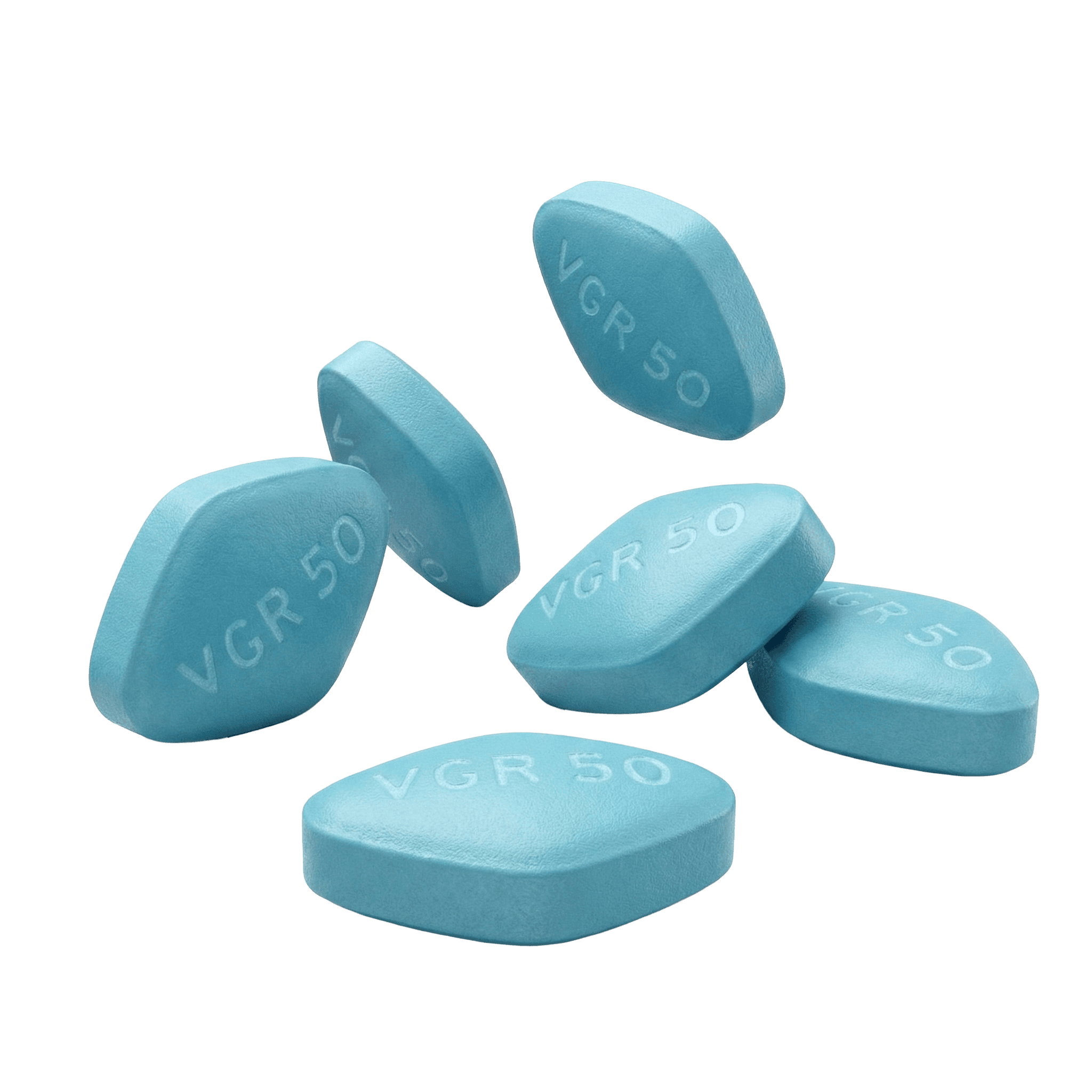
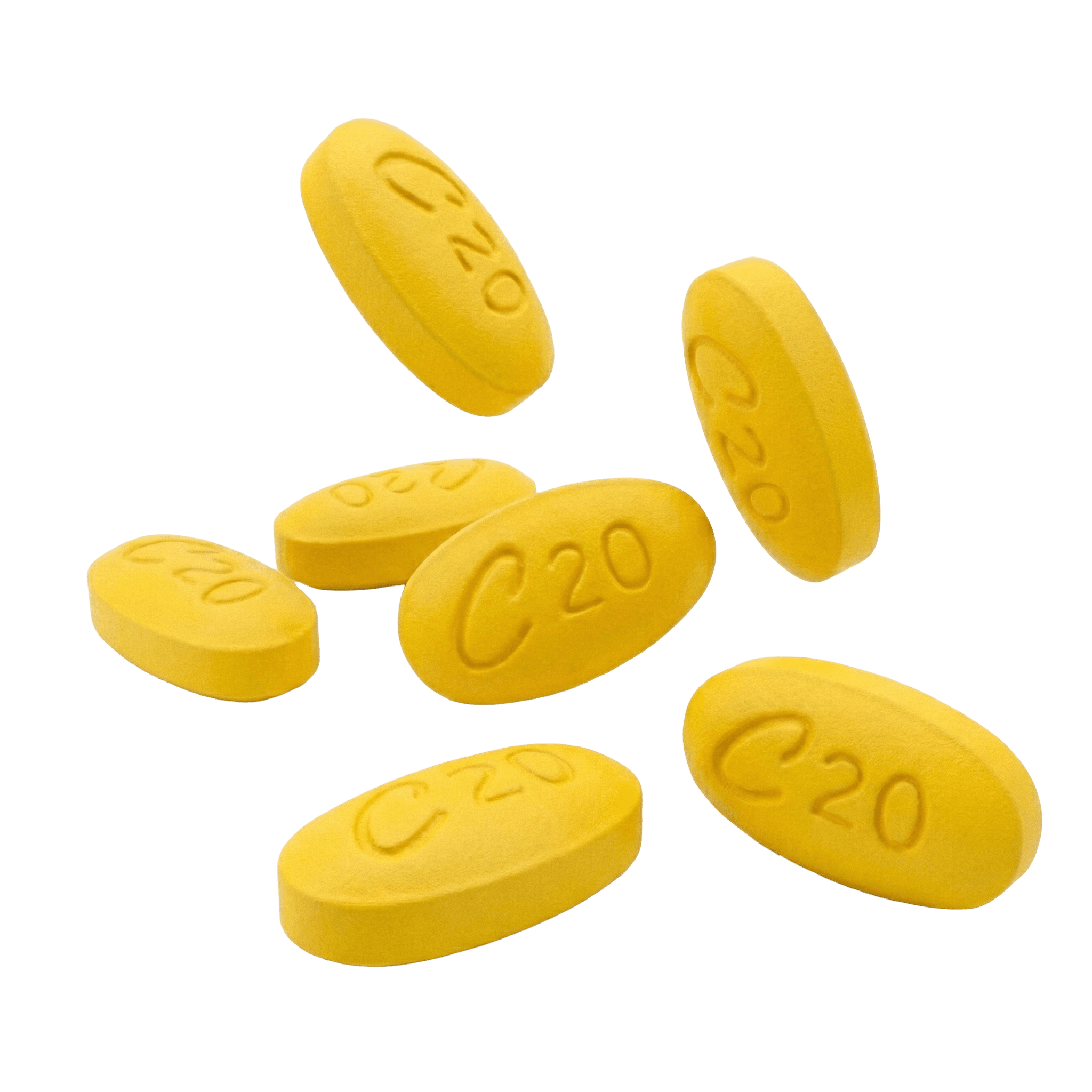
Phosphodiesterase-5 (PDE5) inhibitors like sildenafil (Viagra) and tadalafil (Cialis) work by increasing blood flow to the penis. Both amlodipine and PDE5 inhibitors lower blood pressure, so there is an additive effect to be aware of. However, unlike the dangerous interaction between PDE5 inhibitors and nitrates (which can cause a severe and potentially life-threatening drop in blood pressure), the interaction between amlodipine and PDE5 inhibitors is much more modest.
A study published in the American Journal of Cardiology specifically examined sildenafil's interaction with calcium antagonists like amlodipine and found the additional blood pressure lowering effect to be clinically small and manageable in most men. Nonetheless, your prescriber should know about all the medications you're taking before recommending an ED treatment.
At Totiva, our online consultations include a full review of your current medications, including antihypertensives, so our clinicians can assess whether sildenafil or tadalafil is appropriate for you and at what dose. You can explore Totiva's ED treatments to see what's available, including generic sildenafil from £4.99 for four tablets and daily tadalafil from £9.99 for 28 tablets.
Lifestyle Changes That Actually Help#
Whichever direction your investigation takes, there are lifestyle changes with solid evidence behind them:
- Regular aerobic exercise improves endothelial function and has been shown in multiple trials to improve erectile function independently of other treatments.
- Reducing alcohol is important. Alcohol is a vasodepressant and disrupts the nerve signalling needed for erections. Even moderately heavy drinking can impair sexual function.
- Quitting smoking has a measurable positive effect on penile blood flow.
- Improving sleep matters more than most men realise. Testosterone, which plays a role in libido and erectile function, is primarily produced during sleep.
- Managing weight reduces both hypertension and ED risk. The connection between metabolic health, blood pressure, and sexual function is well established.
None of these replace medical treatment, but they can significantly improve outcomes when combined with appropriate care.
When to See Your GP#
If you're experiencing persistent ED, regardless of what you think is causing it, it's worth seeing your GP. ED can be an early marker for cardiovascular disease, and a clinical assessment will check for underlying conditions including diabetes, hormonal problems, and vascular disease.
Your GP can also review your blood pressure medication with sexual side effects specifically in mind. If amlodipine is contributing to your ED, there are alternatives worth discussing. They can also refer you to NHS Talking Therapies if anxiety appears to be a significant factor.
For men who've already spoken to their GP, or who want to explore treatment options alongside that conversation, Totiva's pharmacist-led ED consultation is free to complete, with payment only required once treatment is approved. There's no subscription and no awkward in-person appointments to navigate.
Not sure which treatment is right for you?
Medical Information: This article is for informational purposes only and does not constitute medical advice. Always consult a qualified healthcare professional before starting, stopping, or changing any treatment.