Hair Loss During Weight Loss: Causes, Timelines, and What Actually Helps
Losing weight and noticing more hair in the shower? Here's why it happens, how long it lasts, and what you can do about it.
Written and medically reviewed by:

Key Takeaways
Hair loss during weight loss is usually temporary telogen effluvium triggered by physical stress, rapid calorie restriction, or nutritional deficiencies. It typically starts 2 to 4 months after the trigger and resolves within 6 to 12 months. Adequate protein and micronutrient intake are the most effective preventive measures.
Losing weight is supposed to make you feel better, so noticing clumps of hair in the shower or on your pillow can feel like a cruel twist. If this sounds familiar, you're not imagining it. Hair loss is a recognised side effect of significant weight loss, and it's more common than most people realise.
The reassuring news: in most cases, it's temporary. Understanding why it happens is the first step to knowing whether you need to do anything about it.
Why Weight Loss Can Trigger Hair Shedding#
The type of hair loss most closely linked to weight loss is called telogen effluvium. To understand it, it helps to know a little about how hair grows.
Your hair follicles cycle through three phases: an active growth phase (anagen), a transition phase (catagen), and a resting phase (telogen), after which the hair sheds naturally. At any given time, roughly 85-90% of your follicles are in the growth phase. When your body experiences significant physical stress, a large number of follicles can simultaneously shift into the resting phase. Two to four months later, you start noticing the shedding.
Rapid or substantial weight loss acts as exactly this kind of physical stressor. Losing 20 or more pounds in a short period, following a very low calorie diet (VLCD), or undergoing bariatric surgery can all trigger this response. The body essentially redirects its resources away from hair growth, which is not essential for survival, and towards more critical functions.
The Role of Nutritional Deficiencies#
The way you lose weight matters as much as how much you lose. Crash diets and severely restrictive eating plans are particularly likely to cause hair loss because they often create nutritional deficiencies alongside the calorie deficit.
Several nutrients are directly involved in hair follicle function:
- Iron: Low serum ferritin (stored iron) is one of the most commonly identified nutritional causes of hair loss in women. Research consistently links iron deficiency to telogen effluvium, even when full anaemia hasn't developed.
- Zinc: Involved in protein synthesis and cell division, both critical to hair growth. Zinc deficiency is associated with hair thinning and a brittle texture.
- Vitamin B12 and vitamin D: Deficiencies in both have been linked to premature follicle entry into the resting phase.
- Protein: Hair is almost entirely made of keratin, a protein. When total protein intake drops too low, the body rations what it has, and hair growth suffers. This is particularly relevant on very low calorie diets or restrictive plans that cut out entire food groups.
A study examining micronutrient status in people following low calorie diets found widespread deficiencies in several vitamins and minerals, even over relatively short time frames. This is why the pace and method of weight loss matters so much.
Weight Loss Medications and Hair Loss#
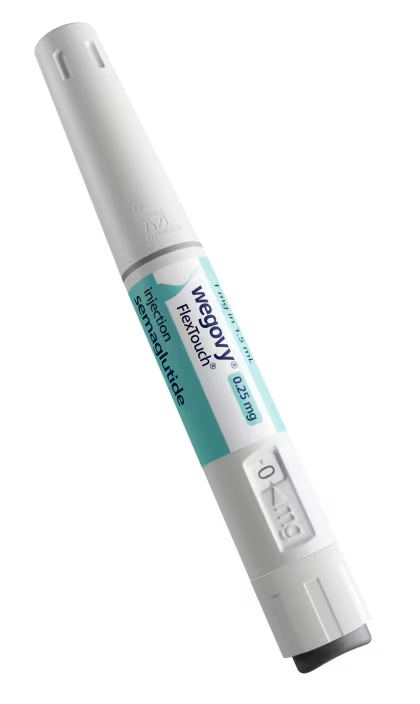
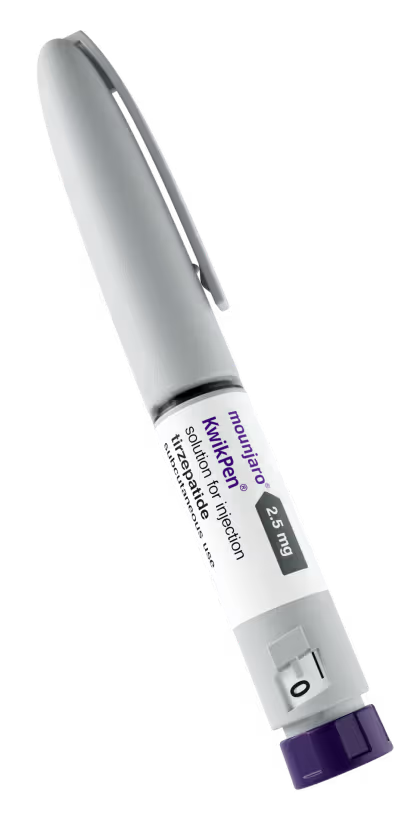
With GLP-1 receptor agonists like Wegovy (semaglutide) and Mounjaro (tirzepatide) now widely used in the UK, this is an increasingly relevant question. Hair loss has been reported as a side effect of these medications in clinical trials, with rates of around 3% in semaglutide trials and similar figures for tirzepatide.
The current evidence suggests this is likely telogen effluvium triggered by the rapid weight loss itself, rather than a direct pharmacological effect of the drugs. When you lose a significant amount of weight quickly, which these medications can facilitate, the physiological stress response described above can follow.
If you're on a GLP-1 medication and noticing hair shedding, it doesn't mean the treatment is wrong for you. It's worth discussing with the clinician overseeing your prescription, and focusing on adequate protein and micronutrient intake can help. If you're considering starting a weight loss medication and want guidance on what to expect, Totiva's weight loss service includes clinician-led consultations that cover these kinds of questions.
Bariatric Surgery#
Hair loss after bariatric surgery (gastric bypass, sleeve gastrectomy, and similar procedures) is well documented. A meta-analysis found that hair loss occurred in roughly 57% of bariatric patients. The combination of rapid weight loss, severely restricted calorie intake immediately post-surgery, and malabsorption of key nutrients creates ideal conditions for telogen effluvium. Post-operative nutritional protocols typically include iron, vitamin B12, zinc, and protein supplementation specifically to mitigate this.
When Does the Shedding Start, and When Does It Stop?#
This is one of the most commonly searched questions, and understandably so. The telogen effluvium timeline follows a fairly predictable pattern:
- 2 to 4 months after the triggering event (rapid weight loss, surgery, severe dietary restriction): noticeable shedding begins
- Peak shedding typically occurs around 3 to 4 months after the trigger
- Gradual improvement usually starts within 6 months of the trigger
- Full recovery in most cases takes 6 to 12 months, sometimes up to 18 months
The important thing to understand is that the shedding you notice today reflects what your follicles were doing several months ago. If you've already stabilised your weight and improved your nutrition, recovery is already underway, even if the shedding hasn't stopped yet.
If shedding persists beyond 12 months, or if it began without a clear trigger, it's worth speaking to your GP. Chronic telogen effluvium and androgenetic alopecia (pattern hair loss) can sometimes be mistaken for one another, and they require different approaches.
Checking for Underlying Causes#
Not all hair loss during a weight loss journey is straightforwardly telogen effluvium. If your shedding is heavy, prolonged, or accompanied by other symptoms, your GP can arrange blood tests to investigate further. Useful tests include:
- Serum ferritin (stored iron, more sensitive than haemoglobin alone for detecting hair loss-relevant deficiency)
- Full blood count (to check for anaemia)
- Thyroid function tests (TSH, T3, T4) since both overactive and underactive thyroid can cause hair loss
- Vitamin D and B12 levels
- Zinc (less routinely offered but can be requested)
Thyroid disorders are worth mentioning specifically because they can present with weight changes and hair loss simultaneously. An undiagnosed thyroid condition can look very similar to nutritional hair loss, and it's worth ruling out, particularly if you're struggling to lose weight despite your efforts.
Got questions? Speak to a pharmacist on WhatsApp now
Prefer to browse first? View treatments
What Actually Helps#
Sort Out Your Nutrition First#
The single most effective thing you can do is ensure your diet is nutritionally complete, even while maintaining a calorie deficit. You don't need to abandon your weight loss goals to protect your hair. Specific practical steps:
- Aim for at least 1.2g of protein per kilogram of body weight daily, especially if you're exercising
- Include iron-rich foods (red meat, lentils, spinach, fortified cereals) and pair them with vitamin C to improve absorption
- If you've been following a restrictive diet, consider a comprehensive multivitamin containing iron, zinc, B12, and vitamin D
- Avoid very low calorie diets (under 800kcal/day) without medical supervision
If a blood test reveals a specific deficiency, targeted supplementation is more effective than a generic multivitamin. Iron supplementation, for example, should be guided by your ferritin level, as excess iron has its own risks.
Manage the Pace of Weight Loss#
From a hair health perspective, slower and steadier weight loss is kinder to your follicles. A deficit of 500-750kcal per day, aiming for around 0.5-1kg per week, is generally considered safe and sustainable. Very rapid weight loss is more likely to trigger telogen effluvium.
NICE guidance on weight management similarly favours gradual, sustained loss over crash approaches, partly because the metabolic and nutritional consequences of extreme restriction are difficult to manage safely without close clinical support.
Topical and Prescription Treatments#
For men, if the hair loss turns out to be androgenetic alopecia (male pattern hair loss) rather than or as well as telogen effluvium, there are proven treatments available. Minoxidil applied topically can help slow shedding and stimulate regrowth, and finasteride taken orally works by blocking the conversion of testosterone to DHT, the hormone responsible for follicle miniaturisation in male pattern baldness.
Finasteride is not routinely available on the NHS for hair loss, which is where private pharmacy services come in. Totiva's hair loss service offers finasteride and minoxidil for men following an online consultation with a UK-registered clinician. It's worth noting that Totiva's hair loss treatments are currently available for men only. Women experiencing hair loss should speak to their GP, who can advise on appropriate options.
When to See Your GP#
Most weight loss-related hair shedding doesn't require urgent medical attention, but there are situations where you should see your GP sooner rather than later:
- Shedding that doesn't improve after 12 months
- Patchy hair loss rather than diffuse thinning (this could suggest alopecia areata, an autoimmune condition)
- Hair loss accompanied by other symptoms such as significant fatigue, unexplained weight changes, joint pain, or a rash
- A sudden severe onset of shedding with no obvious dietary trigger
The British Association of Dermatologists provides patient information on the different types of hair loss, which can help you identify whether what you're experiencing fits the telogen effluvium pattern or something else.
Stress and Hair Loss#
It's worth acknowledging that psychological stress and hair loss have a bidirectional relationship. Stress can trigger telogen effluvium, and then the experience of losing hair causes further stress. This cycle is real and recognised clinically.
If stress is a significant factor for you, NHS Talking Therapies (formerly IAPT) offers free cognitive behavioural therapy and other psychological support in England. Managing stress effectively can reduce the risk of further shedding episodes and support overall wellbeing during what is often an emotionally charged process of changing your body.
Medical Information: This article is for informational purposes only and does not constitute medical advice. Always consult a qualified healthcare professional before starting, stopping, or changing any treatment.