Dutasteride vs Finasteride for Hair Loss: Which Works Better?
Both block DHT to slow male pattern baldness, but they work differently. Here's how dutasteride and finasteride compare on effectiveness, side effects, and cost.
Written by:

Medically reviewed by Callum Armstrong, MPharm, Independent Prescriber (IP)
Key Takeaways
Dutasteride blocks more DHT than finasteride and shows slightly better results in trials, but finasteride is the licensed first-line choice in the UK. Both work for male pattern baldness. Side effects are similar for both.
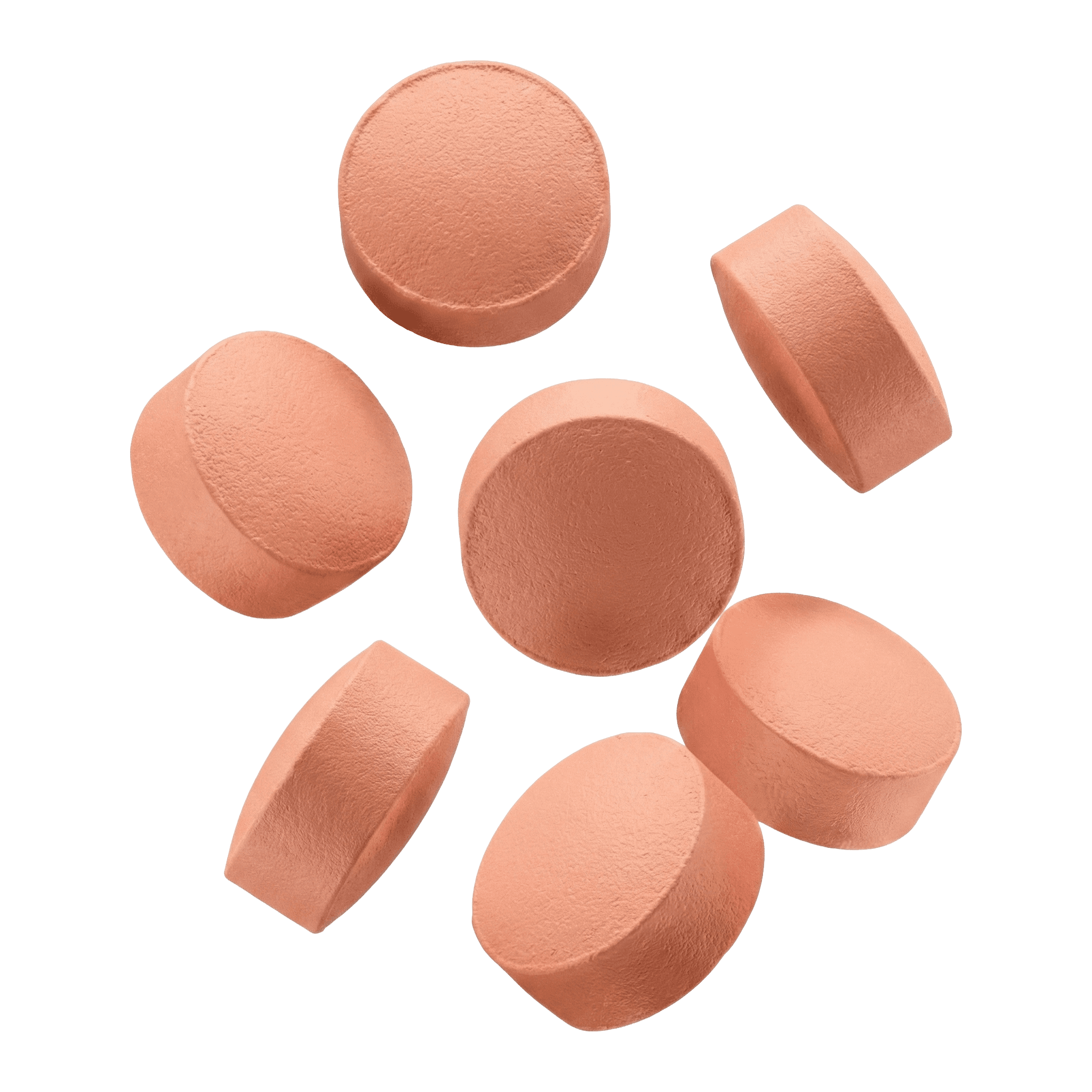
Dutasteride and finasteride are both 5-alpha reductase inhibitors, meaning they work by blocking the enzyme that converts testosterone into DHT (dihydrotestosterone). DHT is the hormone responsible for shrinking hair follicles in men genetically predisposed to male pattern baldness. By reducing DHT levels in the scalp, both drugs can slow hair loss and, in many cases, promote some regrowth.
So if they work the same way, why are there two options? The short answer is that dutasteride does the job more thoroughly. But that doesn't automatically make it the right choice for everyone. Here's a clear breakdown of how they compare.
How Each Drug Actually Works#
There are two types of 5-alpha reductase enzyme: type I and type II. Finasteride only blocks type II, which is the dominant form in hair follicles. That's enough to reduce DHT levels significantly, roughly by 70% in clinical studies.
Dutasteride blocks both type I and type II. This more comprehensive inhibition produces a greater overall reduction in DHT, typically around 90% or more. That difference in mechanism is why dutasteride tends to outperform finasteride in head-to-head trials.
Both drugs are taken orally as a daily tablet or capsule. They're absorbed systemically, which means they lower DHT levels throughout the body, not just at the scalp. This is worth knowing because it explains why some men have concerns about side effects beyond hair loss.
Which Is More Effective?#
The clinical evidence fairly consistently favours dutasteride for hair loss outcomes. A 2019 meta-analysis comparing the two found that dutasteride drove greater increases in hair count than finasteride at 24 weeks. A more recent 2023 study also found dutasteride outperformed finasteride on measures including hair density and patient-reported satisfaction.
The practical difference in most trials is meaningful but not dramatic. Both drugs work. Finasteride is effective for the majority of men who take it consistently, typically reducing or halting further loss within 3 to 6 months. Dutasteride tends to produce slightly better results in terms of hair count, particularly at the vertex (crown) of the scalp.
One important caveat: neither drug works overnight. You need to take either treatment for at least 3 to 6 months before you'll see a noticeable difference, and results continue improving with long-term use. Stopping either drug usually means hair loss resumes within 6 to 12 months.
For men with early to moderate hair loss (Norwood stages II to IV), finasteride is often sufficient and has the longer evidence base. Men with more advanced loss, or those who haven't responded well to finasteride, may benefit from trying dutasteride. Your prescriber can help assess this.
Side Effects: Are They Different?#
This is usually the question men are most worried about, understandably. The good news is that serious side effects are uncommon for both drugs. The less reassuring news is that the side effect profiles are broadly similar.
The most commonly reported side effects for both finasteride and dutasteride include:
- Reduced libido
- Erectile dysfunction
- Decreased ejaculatory volume
- Breast tenderness or enlargement (gynaecomastia)
These occur in a minority of users, typically around 1 to 5% in clinical trials. For most men, they're temporary and resolve if treatment is stopped.
There is a phenomenon called post-finasteride syndrome (PFS), where a small number of men report persistent sexual, neurological, or psychological symptoms even after stopping the drug. This is a genuine concern and has been under review by regulatory bodies including the MHRA and European Medicines Agency. The current scientific consensus is that PFS is rare, and the evidence base for its persistence is still being studied. If you have a history of depression or sexual dysfunction, it's worth discussing this with a clinician before starting either drug.
Dutasteride has a longer half-life than finasteride (around 5 weeks versus 6 to 8 hours), which means it stays in your system longer. If you do experience side effects, they may take longer to resolve after stopping dutasteride. This is something worth factoring in.
Both drugs should be avoided by women of childbearing age and must not be handled by pregnant women due to the risk of harm to a developing male foetus.
Dosing and How to Take Them#
Finasteride for hair loss is taken as a 1mg tablet once daily. It's worth taking it at roughly the same time each day, though missing the occasional dose won't cause problems.
Dutasteride for hair loss is typically prescribed at 0.5mg daily. This is actually the same dose used for benign prostatic hyperplasia (prostate enlargement), which is the licensed indication for dutasteride in the UK.
Topical versions of both drugs also exist. Topical finasteride is applied directly to the scalp and has been growing in popularity among men concerned about systemic side effects. Because it's absorbed locally rather than entering the bloodstream in significant amounts, it may reduce the risk of systemic side effects, though the evidence base is still developing compared to oral finasteride. Topical dutasteride is also available but currently only as a compounded (unlicensed) preparation in the UK, meaning it's made to order by a specialist pharmacy rather than being a mass-produced licensed product.
UK Availability and Licensing#
This is an important distinction that many articles gloss over. In the UK, finasteride 1mg (brand name Propecia) is licensed specifically for male pattern hair loss. That means it has been through full MHRA approval for this use, and prescribing it is straightforward.
Dutasteride is licensed in the UK only for benign prostatic hyperplasia (BPH), not for hair loss. When a GP or online clinic prescribes it for androgenetic alopecia, they are doing so off-label. This is entirely legal and happens routinely in medicine, but it does mean there is no MHRA-approved patient information leaflet for dutasteride as a hair loss treatment. A good clinician will discuss this with you explicitly.
Neither treatment is available on the NHS for hair loss. NICE guidance classifies androgenetic alopecia as a cosmetic condition, so both finasteride and dutasteride must be obtained via private prescription. That said, costs are quite reasonable through registered online pharmacies. At Totiva, finasteride 1mg is available from £14.99 for 28 tablets, with a 3-month supply (84 tablets) at £41.99. Totiva's consultation is free, and you only pay once a pharmacist has reviewed and approved your treatment. There's no subscription model or upfront commitment required.
You can explore Totiva's hair loss treatments to see what's available and get a sense of the options before starting a consultation.
Got questions? Speak to a pharmacist on WhatsApp now
Prefer to browse first? View treatments
Finasteride vs Propecia: Are They the Same Thing?#
Briefly, yes. Propecia is simply the original brand name for 1mg finasteride, manufactured by Organon (formerly MSD). When the patent expired, generic finasteride became widely available at a much lower price. The active ingredient is identical: both deliver 1mg of finasteride per tablet, with the same mechanism of action and the same clinical outcomes.
The only technical difference is the inactive ingredients (fillers, binders, coatings), which occasionally cause different tolerability for a small number of users. This is uncommon. From a clinical perspective, there is no meaningful reason to choose branded Propecia over generic finasteride unless cost isn't a concern and you have a specific reason to prefer it.
What About RU58841?#
RU58841 comes up frequently in hair loss forums as an alternative to finasteride, so it's worth addressing directly. RU58841 is a topical androgen receptor blocker. Unlike finasteride and dutasteride, which reduce DHT production system-wide, RU58841 is designed to act locally at the scalp by blocking androgen receptors in hair follicles.
The theoretical appeal is clear: if it works only at the scalp, you might get the hair loss benefits without systemic side effects. Some early animal studies and one older human study (using scalp grafts in mice) showed promising results.
However, there are significant problems with RU58841 in a UK context. It has never completed clinical trials in humans. It is not licensed by the MHRA or any other regulatory body as a medicine. It is not available through any registered UK pharmacy as a legitimate prescription treatment. Products sold online as RU58841 are, at best, research chemicals with no quality control, no clinical proof of long-term safety, and no regulatory oversight.
In practical terms: if you're in the UK and considering RU58841 as an alternative to finasteride, you'd be self-administering an unregulated compound with unknown safety data. For most men, the risk-benefit calculation doesn't hold up when licensed, well-studied alternatives are available at accessible prices.
Combining Treatments#
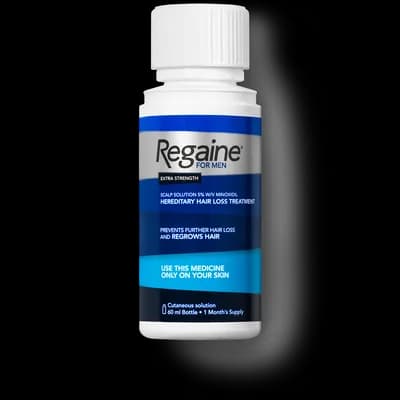
Many men use finasteride or dutasteride alongside minoxidil for a combined approach. Minoxidil (sold as Regaine in the UK) works through a completely different mechanism. It's a vasodilator that increases blood flow to hair follicles and directly stimulates the growth phase of the hair cycle. It doesn't affect DHT at all.
Because they work differently, they can complement each other. Several clinical trials have shown that the combination produces better outcomes than either treatment alone. Regaine liquid solution is available at Totiva in 60ml and 180ml sizes (£33.60 and £79.99 respectively), and Totiva also offers a combined finasteride and minoxidil approach for those who want both elements covered.
Which Should You Choose?#
For most men starting treatment for the first time, oral finasteride 1mg is a sensible first option. It's MHRA-licensed for this exact use, has decades of real-world safety data, is affordable, and is effective for the majority of men with early to moderate male pattern baldness.
Dutasteride makes more sense if you haven't responded adequately to finasteride after 12 months, if your hair loss is more advanced, or if your clinician feels it's the better fit based on your circumstances. Because it's off-label, it requires a slightly more detailed prescribing conversation.
If you're worried about oral side effects, topical finasteride is worth discussing as an alternative. It's not stocked by all online pharmacies yet, but Totiva's clinicians can help you weigh up whether it's appropriate for your situation.
The bottom line is that this decision is best made with a clinician who knows your medical history, rather than purely from a comparison article. If you'd like to explore your options, Totiva offers a free online consultation with UK-registered pharmacists who can guide you to the right treatment without any pressure. You can start a hair loss consultation here.
Medical Information: This article is for informational purposes only and does not constitute medical advice. Always consult a qualified healthcare professional before starting, stopping, or changing any treatment.