
Does Cinnamon Help With Weight Loss?
Cinnamon is popular on wellness feeds, but does it actually help you lose weight? A UK pharmacist looks at the evidence, safety, and better alternatives.
Written and medically reviewed by:

Key Takeaways
Cinnamon has modest effects on blood sugar but no meaningful evidence for weight loss. UK health guidelines do not recommend cinnamon supplements for weight management. For real results, evidence-based options like GLP-1 medications are far more effective.
Cinnamon is everywhere on social media right now. TikTok wellness accounts swear by it, supplement brands market it aggressively, and search trends show millions of people asking whether it can genuinely help them lose weight. The short answer is: probably not in any meaningful way on its own. But the longer answer is worth understanding, especially if you are managing blood sugar, have PCOS, or are considering buying cinnamon supplements.
What Cinnamon Actually Is#
Cinnamon is a spice harvested from the inner bark of trees in the Cinnamomum genus. It has been used in cooking and traditional medicine for thousands of years, and it genuinely does contain biologically active compounds, particularly cinnamaldehyde and various polyphenols. These give it antioxidant and anti-inflammatory properties that have attracted real scientific interest.
The two types you will encounter most often in the UK are:
- Ceylon cinnamon (Cinnamomum verum), sometimes called 'true cinnamon', which is lighter in colour, milder in flavour, and lower in a compound called coumarin
- Cassia cinnamon (Cinnamomum cassia), which is darker, stronger-tasting, and the variety found in most UK supermarkets, supplements, and spice racks
The distinction matters more than most people realise, and we will come back to it when discussing safety.
What the Evidence Says About Cinnamon and Weight Loss#
Several studies have examined whether cinnamon can support weight loss, and the findings are underwhelming when viewed critically.
A 2020 systematic review and meta-analysis published in Clinical Nutrition ESPEN looked at cinnamon supplementation and body composition. It found modest reductions in body weight and BMI in some trials, but the effect sizes were small, the study quality was variable, and the authors concluded that evidence was insufficient to recommend cinnamon as a weight loss intervention.
Another 2020 meta-analysis by Mousavi and colleagues, covering multiple randomised controlled trials, found similar results: statistically significant but clinically marginal reductions in weight among participants who took cinnamon supplements. Crucially, most of these trials were short (under 12 weeks), used different doses, tested different cinnamon preparations, and did not control well for diet and exercise changes.
The proposed mechanisms behind any weight-related effect are plausible in theory. Cinnamaldehyde may improve insulin sensitivity, which could reduce fat storage and curb cravings for sugary foods. Polyphenols in cinnamon may mimic insulin and help the body use glucose more efficiently. Cinnamon's fibre content might contribute to feeling fuller. There is also some thermogenic activity, meaning the body uses a small amount of energy digesting it. But plausible mechanisms are not the same as proven outcomes, and the clinical evidence for meaningful weight loss simply is not there.
The honest summary: cinnamon may have a very modest supporting role in metabolic health, but it is not a weight loss treatment. No UK health authority recommends it for this purpose.
Cinnamon and Blood Sugar: A More Credible Claim#
Where cinnamon has stronger (though still not definitive) evidence is in blood sugar management. A number of trials in people with Type 2 diabetes or insulin resistance have shown modest reductions in fasting glucose and improvements in insulin sensitivity with cinnamon supplementation.
This is relevant to weight for an indirect reason. Poor blood sugar regulation contributes to cravings, energy crashes, and metabolic dysfunction that can make weight management harder. So if cinnamon does anything useful for weight-related goals, it is probably through this pathway rather than through direct fat burning.
For people with Type 2 diabetes in the UK, where prevalence has reached over 4.3 million diagnosed cases according to NHS Digital data, this is worth knowing. However, it also raises a safety consideration we will address below.
Can Cinnamon Target Belly Fat Specifically?#
This claim circulates widely on social media, often framed as cinnamon having a particular effect on visceral fat. The evidence does not support this. Fat loss is systemic, not spot-targeted, and no food or supplement has been shown to selectively reduce abdominal fat. Some studies examining cinnamon in the context of metabolic syndrome have measured waist circumference as an outcome, and results have been mixed at best.
If someone tells you that cinnamon specifically burns belly fat, that is not a claim backed by clinical evidence.
Safety and the Coumarin Problem#
This is where the conversation becomes genuinely important for UK consumers, and it is something that most wellness content glosses over entirely.
Cassia cinnamon contains coumarin, a naturally occurring compound that can cause liver damage at higher doses. The European Food Safety Authority has established a tolerable daily intake of 0.1mg of coumarin per kilogram of body weight per day. For a 70kg adult, that is 7mg per day.
The problem is that cassia cinnamon supplements, which make up the majority of what is sold in the UK, often contain concentrations of coumarin that can exceed this threshold with regular use. The FSA has issued guidance on this. Ceylon cinnamon contains only trace amounts of coumarin and is safer for regular consumption, but it is not always clearly labelled and is often more expensive.
If you are buying cinnamon supplements, here is what to check on the label:
- Species name: look for Cinnamomum verum (Ceylon) rather than Cinnamomum cassia or simply 'cinnamon bark extract'
- Coumarin content: a responsible manufacturer should disclose this, or state 'coumarin-free' or 'low coumarin'
- Third-party testing: look for products with independent quality verification (BSCG, Informed Sport, or equivalent)
- Dose: most clinical trials have used 1g to 6g of cinnamon daily. Supplements often concentrate the extract, so the equivalent dose in capsule form varies
Post-Brexit, UK consumers should note that EU regulatory assessments of food supplements do not automatically apply here. The FSA and the Office for Product Safety and Standards (OPSS) regulate food supplements in the UK as foods, not as medicines. This means cinnamon pills are not subject to the same pre-market efficacy and safety testing as licensed medicines.
Got questions? Speak to a pharmacist on WhatsApp now
Prefer to browse first? View treatments
Drug Interactions Worth Knowing#
Cinnamon's effect on blood sugar and potentially on blood thinning means it can interact with several common medications.
Diabetes medications: If you take metformin, insulin, or other glucose-lowering treatments, adding cinnamon supplements could theoretically enhance the blood-sugar-lowering effect. This increases the risk of hypoglycaemia. Anyone managing Type 2 diabetes should speak to their GP or pharmacist before starting cinnamon supplements.
Anticoagulants: Cinnamon has mild anticoagulant properties. If you take warfarin or other blood thinners, there is a theoretical risk of interaction that warrants medical advice.
Statins and hepatotoxic drugs: Given the coumarin-related liver stress risk, combining high-dose cassia cinnamon supplements with medications that already affect the liver (including some statins) is not advisable without guidance.
Pregnancy: Cinnamon in normal food quantities is considered safe. High-dose cinnamon supplements during pregnancy have not been adequately studied, and most pharmacists would advise avoiding them.
If you experience any unexpected side effects from a supplement, the MHRA's Yellow Card scheme allows you to report this directly at yellowcard.mhra.gov.uk.
What the NHS and NICE Actually Recommend#
Neither NICE nor the NHS recommends cinnamon or any food supplement for weight management. NICE guidelines CG189 and the updated NG246 on obesity management focus on a structured combination of dietary change, physical activity, behavioural support, and, where appropriate, pharmacological treatment.
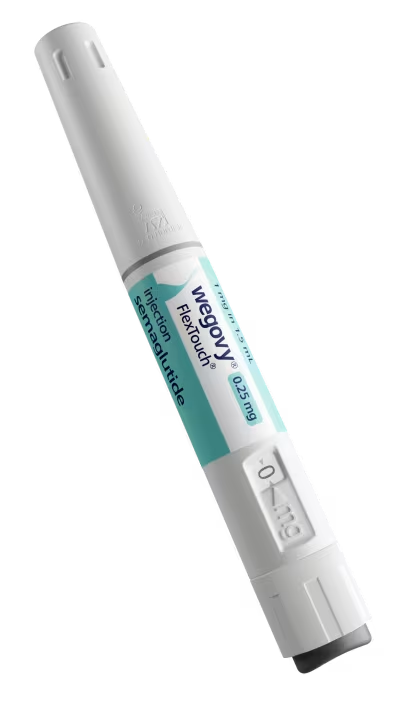
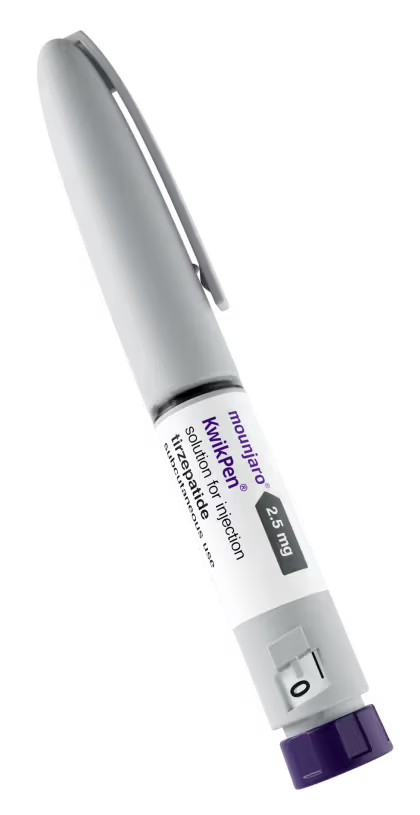
For people with a BMI over 30 (or over 27 with weight-related health conditions), NICE-approved pharmacological options include orlistat and, since 2023's technology appraisal TA875, semaglutide (Wegovy). Tirzepatide (Mounjaro) has also received NICE endorsement. These treatments have robust evidence from large randomised controlled trials showing clinically meaningful, sustained weight loss.
Cinnamon supplements sit entirely outside this pathway.
Cinnamon as Part of a Healthy Diet#
None of the above means you should stop using cinnamon in cooking. Adding it to porridge, yoghurt, roasted vegetables, or warm drinks is a completely reasonable thing to do. It tastes good, contributes antioxidants to your diet, and may offer modest benefits for blood sugar regulation when part of a balanced diet.
Some practical ideas:
- Stir a teaspoon of ground cinnamon into overnight oats or porridge
- Add a cinnamon stick to herbal tea or warm water with lemon in the morning
- Use it in spice rubs for roasted vegetables or lean meat
- Sprinkle it on sliced apple or banana as a snack
The difference between using cinnamon as a flavoursome, nutritious spice and expecting it to function as a weight loss tool is important. One is entirely sensible. The other sets unrealistic expectations.
Ready to see if treatment could work for you?
Evidence-Based Alternatives for Weight Loss#
If you are looking for meaningful, clinically supported weight loss support, the options that actually have evidence behind them are quite different from cinnamon supplements.
GLP-1 receptor agonists represent the most significant development in weight management medicine in decades. Semaglutide (the active ingredient in Wegovy) showed average weight loss of around 15% of body weight in the STEP 1 trial published in the New England Journal of Medicine. Tirzepatide (Mounjaro) has shown up to 22.5% body weight reduction in clinical trials. These are not marginal effects. They are clinically meaningful changes that reduce the risk of cardiovascular disease, Type 2 diabetes, and other obesity-related conditions.
These medications work by mimicking hormones (GLP-1 and GIP) that regulate appetite and glucose metabolism. They do not replace lifestyle changes but they make them significantly more achievable for people who have struggled with weight management through diet and exercise alone.
For people who are not eligible for or do not want injectable medications, orlistat remains an NHS-approved option that works by reducing fat absorption from food.
At Totiva, all weight loss treatments are offered through a structured clinical process. A free online consultation allows a UK-registered clinician to review your health profile and eligibility. If GLP-1 treatment is appropriate for you, you will also have a short video consultation before your first prescription, which is a regulatory requirement for this class of medication. You only pay for treatment after approval, and there is no subscription required.
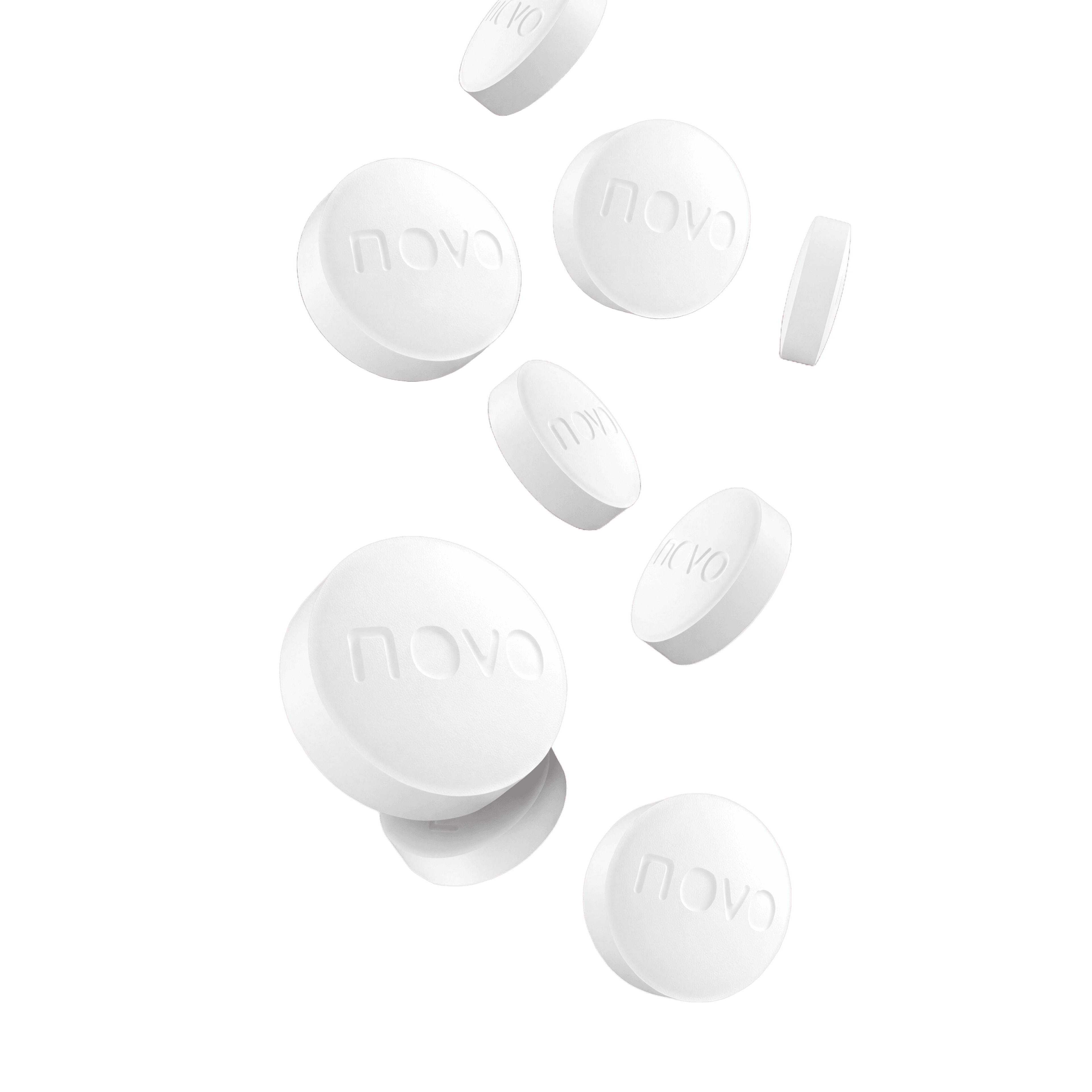
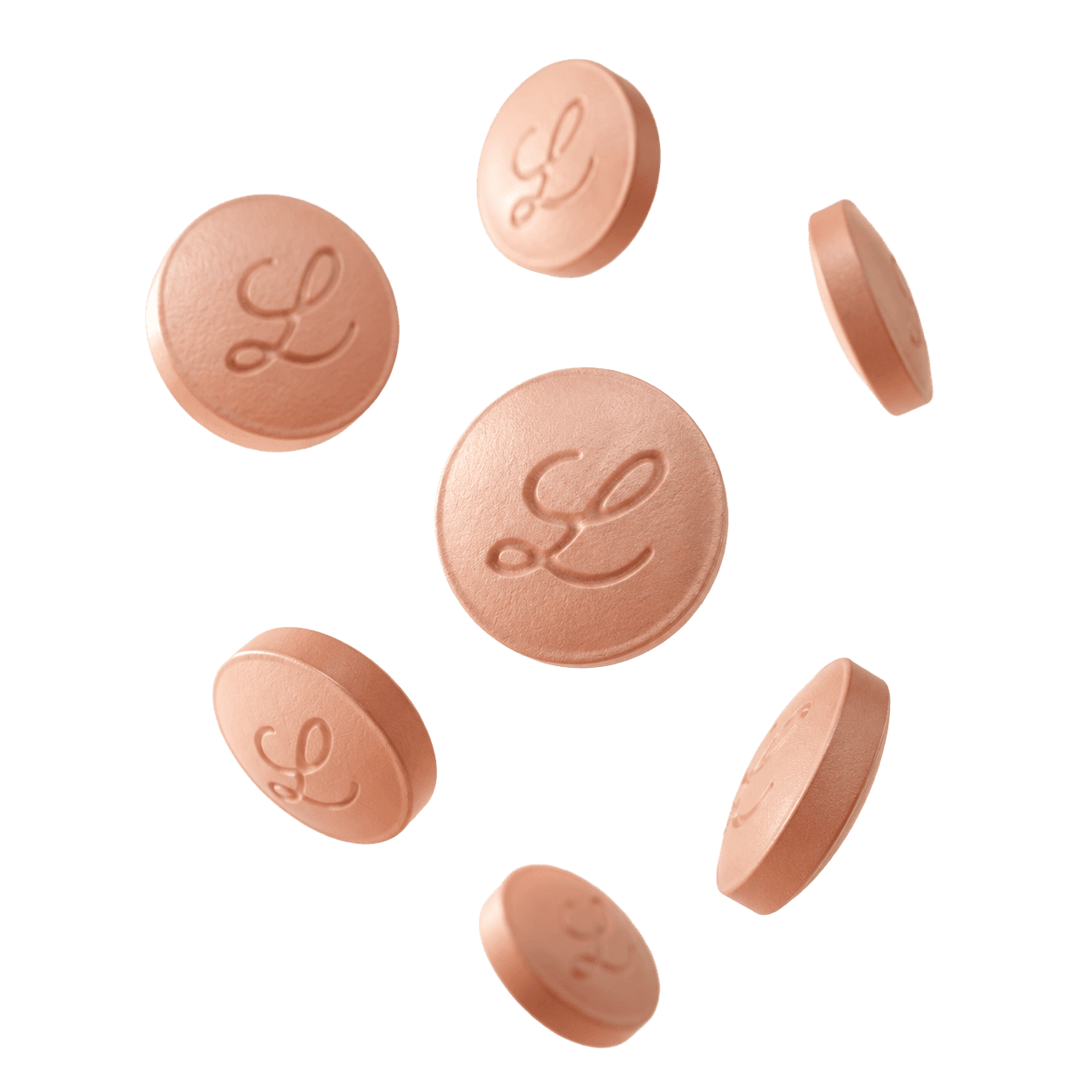
Treatments available include Wegovy (from £92.88 per month), Wegovy Tablets, Mounjaro (from £136.88), and Foundayo for those who prefer a non-injectable option.
A Note on Cinnamon and PCOS#
One area where the cinnamon evidence is slightly more interesting is polycystic ovary syndrome. PCOS is associated with insulin resistance, and a few small trials have suggested that cinnamon supplementation may help improve insulin sensitivity and menstrual regularity in women with PCOS. The evidence is not strong enough to be practice-changing, but it is a more credible mechanistic link than the general weight loss claims.
Women with PCOS who are interested in this should discuss it with their GP rather than self-supplementing, particularly because PCOS management often involves medications that may interact with cinnamon.
What a UK Pharmacist Would Tell You#
Here is the practical summary. Cinnamon is a genuinely useful spice with real antioxidant and potentially blood-sugar-modulating properties. Eating it regularly as part of a varied diet makes complete sense.
Cinnamon supplements are a different matter. The weight loss evidence is weak and inconsistent. The safety profile of cassia-based supplements is concerning if used at high doses for extended periods. They are not regulated as medicines and are not recommended by any UK clinical guideline for weight management.
If your goal is meaningful weight loss, the tools that work are structured dietary change, regular physical activity, and, where appropriate, clinically supervised medication. If you would like to explore whether prescription weight loss treatment might be right for you, Totiva's pharmacist-led consultations offer a straightforward, evidence-based starting point.
Medical Information: This article is for informational purposes only and does not constitute medical advice. Always consult a qualified healthcare professional before starting, stopping, or changing any treatment.