Is Berberine a GLP-1 Receptor Agonist? The Science Explained
Berberine isn't a GLP-1 receptor agonist like semaglutide, but it does affect blood sugar and weight. Here's what the research actually shows.
Written and medically reviewed by:

Key Takeaways
Berberine isn't a GLP-1 receptor agonist but works differently to support blood sugar control. It shows modest weight loss effects (2-5kg) compared to prescription GLP-1 medications (15-22% body weight loss).
Is Berberine Actually a GLP-1 Receptor Agonist?#
No, berberine is not a GLP-1 receptor agonist. Unlike prescription medications such as semaglutide (Wegovy) or tirzepatide (Mounjaro), berberine doesn't directly activate GLP-1 receptors. However, this natural compound does have some intriguing effects on blood sugar control and weight management that make the comparison understandable.
Berberine works through completely different pathways than GLP-1 medications, though both can influence glucose metabolism and potentially support weight loss. Understanding these differences is crucial if you're considering berberine as an alternative to prescription treatments.
How Berberine Actually Works#
Berberine is an alkaloid extracted from several plants, including goldenseal and Chinese goldthread. Instead of targeting GLP-1 receptors, it primarily works by:
Activating AMPK (AMP-activated protein kinase) - This enzyme acts like your body's metabolic switch, improving how cells use glucose and fat for energy. Think of AMPK as your cellular accountant, making sure energy gets used efficiently.
Improving insulin sensitivity - Berberine helps your cells respond better to insulin, which can lower blood glucose levels. Some studies suggest it may be as effective as metformin for this purpose.
Affecting gut bacteria - Research indicates berberine can alter your gut microbiome, potentially influencing metabolism and inflammation.
A 2020 systematic review found that berberine supplementation led to average weight reductions of 2-5kg over 12 weeks, though results varied significantly between studies. This is modest compared to GLP-1 receptor agonists, which can produce 15-20% body weight reductions.
Understanding GLP-1 Receptor Agonists#
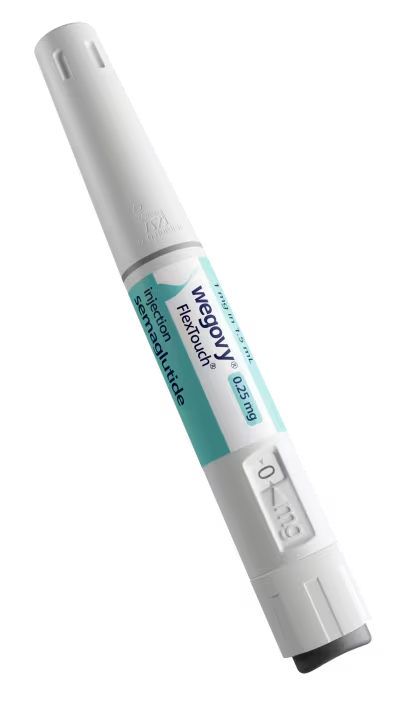
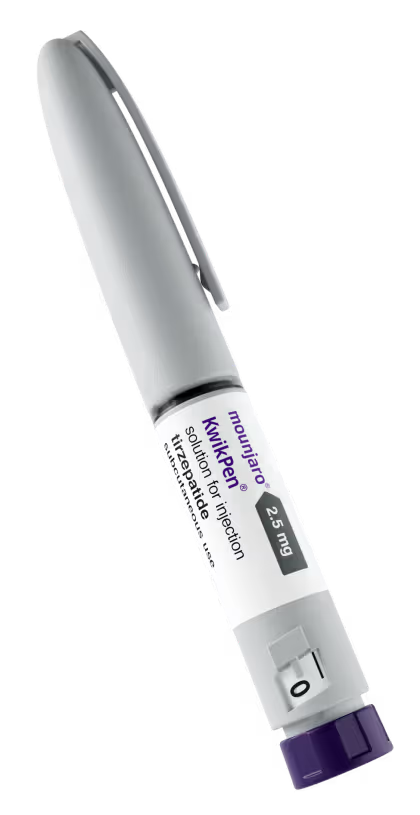
GLP-1 (glucagon-like peptide-1) receptor agonists work by mimicking a hormone your intestines naturally produce after eating. These medications, available through Totiva and other UK pharmacies, include:
- Semaglutide (Wegovy for weight loss, Ozempic for diabetes)
- Tirzepatide (Mounjaro)
- Liraglutide (Saxenda for weight loss)
These drugs directly bind to GLP-1 receptors, triggering several effects:
- Slowing stomach emptying, making you feel full longer
- Reducing appetite through effects on brain hunger centres
- Improving insulin release when blood sugar rises
- Suppressing glucagon (a hormone that raises blood sugar)
The NHS has approved these medications for specific conditions, with strict eligibility criteria including BMI requirements and previous weight loss attempts.
Comparing Effectiveness: Berberine vs Prescription GLP-1 Medications#
The evidence strongly favours prescription GLP-1 receptor agonists for significant weight loss:
GLP-1 Medications:
- Clinical trials show 15-22% average body weight loss
- FDA and MHRA approved for obesity treatment
- Comprehensive safety data from large-scale studies
- Prescribed and monitored by healthcare professionals
Berberine:
- Studies show 2-5kg average weight loss (roughly 3-7% body weight)
- Available as a supplement without prescription
- Limited long-term safety data
- Quality varies significantly between products
One important consideration: berberine studies often involve smaller sample sizes and shorter durations than the rigorous trials required for pharmaceutical approval.
Safety Considerations and UK Regulations#
While berberine is generally well-tolerated, it's not without potential issues:
Common side effects include:
- Digestive upset (diarrhoea, constipation, gas)
- Stomach cramping
- Nausea
Drug interactions: Berberine can affect how your liver processes certain medications, potentially altering their effectiveness. This is particularly relevant for diabetes medications, blood thinners, and some antibiotics.
Quality concerns: Unlike prescription medications, berberine supplements aren't regulated by the MHRA to the same standards. Product quality and potency can vary dramatically between brands.
The NHS doesn't currently recommend berberine for diabetes or weight management, though research continues into its potential benefits.
Should You Consider Berberine?#
Berberine might be worth discussing with your GP if:
- You have mild insulin resistance or pre-diabetes
- You're looking for natural approaches to support blood sugar control
- You don't meet criteria for prescription weight loss medications
- You're already managing diet and exercise effectively
However, berberine shouldn't replace proven treatments. If you have type 2 diabetes or obesity requiring medical intervention, prescription GLP-1 receptor agonists offer more robust evidence and professional oversight.
Before starting berberine:
- Consult your GP, especially if you take other medications
- Choose reputable brands with third-party testing
- Start with lower doses to assess tolerance
- Monitor blood sugar levels if you have diabetes
Got questions? Speak to a pharmacist on WhatsApp now
Prefer to browse first? View treatments
The Bottom Line#
Berberine isn't a GLP-1 receptor agonist, but it does offer some metabolic benefits through different mechanisms. While promising, the evidence for berberine remains limited compared to prescription alternatives.
For significant weight loss or diabetes management, GLP-1 receptor agonists like those available through Totiva provide stronger clinical evidence and professional medical support. Berberine might serve as a complementary approach for general metabolic health, but it's not a replacement for established treatments.
If you're considering either option, speaking with a healthcare professional can help determine the most appropriate approach for your specific situation and health goals.
Medical Information: This article is for informational purposes only and does not constitute medical advice. Always consult a qualified healthcare professional before starting, stopping, or changing any treatment.