
How Long Does Ozempic Take to Work?
Ozempic starts lowering blood sugar within weeks, but full effects take longer. Here's a realistic timeline and what affects your results.
Written and medically reviewed by:

Key Takeaways
Ozempic starts affecting blood sugar within days but takes 4-5 weeks to reach stable levels. Full HbA1c improvement typically shows at 12-16 weeks. Each dose increase resets this timeline briefly.
Most people starting Ozempic want to know one thing: when will I actually feel a difference? The honest answer is that blood sugar improvements begin within the first few weeks, but the medication takes four to five weeks to reach stable levels in your body, and the full effect on HbA1c typically unfolds over 12 to 16 weeks. That timeline can feel frustratingly slow, but it reflects how semaglutide actually works, not a sign that something is wrong.
This guide walks through what you can realistically expect at each stage, what might slow things down for you personally, and when it is worth speaking to a clinician if progress seems stalled.
How Ozempic Works in the Body#
Ozempic (semaglutide) is a GLP-1 receptor agonist. GLP-1 is a hormone your gut releases naturally after eating, and semaglutide mimics it in a much longer-acting form. When it binds to GLP-1 receptors on your pancreatic beta cells, it stimulates insulin release, but only in response to elevated blood glucose. That glucose-dependent mechanism is why hypoglycaemia is less of a concern with Ozempic than with some older diabetes medications, though the risk does rise if you are also taking a sulphonylurea or insulin.
Semaglutide also suppresses glucagon, the hormone that signals your liver to release stored glucose into the bloodstream. And it slows gastric emptying, meaning food moves through your stomach more gradually. That slowing effect is part of why you feel fuller for longer, and it also softens the glucose spike after a meal.
Ozempic is injected once weekly under the skin, typically into the abdomen, thigh, or upper arm. It has a half-life of roughly one week, which is what makes once-weekly dosing practical. After each injection, semaglutide is absorbed gradually, reaching peak plasma concentration within one to three days. Steady-state concentrations, where drug levels in the blood genuinely stabilise, are reached after approximately four to five weeks of consistent weekly dosing. Clinical effects track closely with that pharmacokinetic profile.
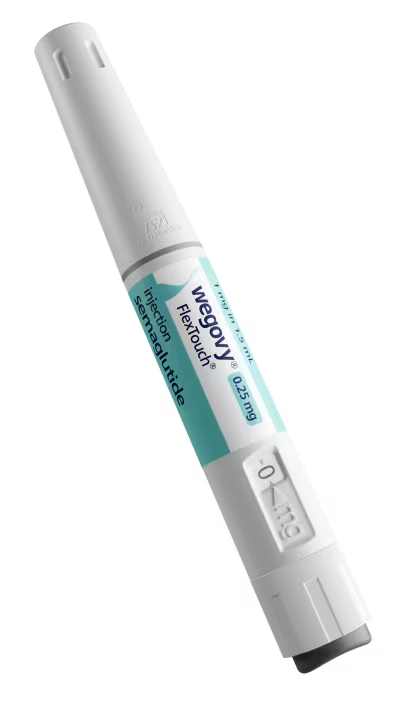
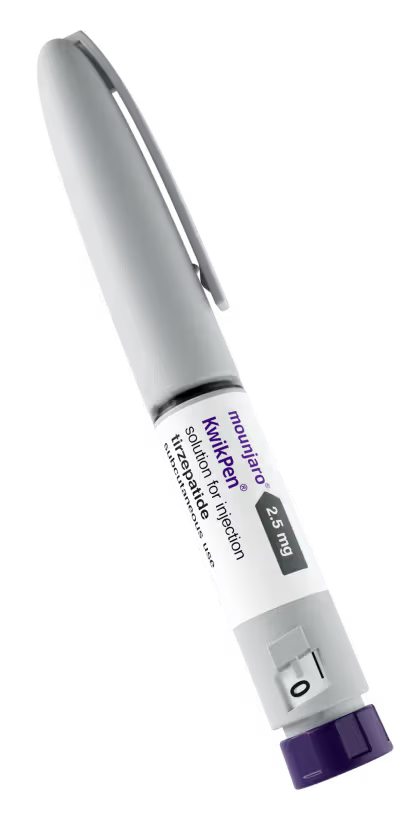
It is worth noting that Ozempic is licensed in the UK specifically for type 2 diabetes, not weight loss. Wegovy, which contains the same active ingredient (semaglutide) at a higher dose, is the licensed weight management product. If you are interested in GLP-1 treatments for weight loss, Totiva's weight loss service covers both Wegovy and Mounjaro with clinician-led assessments.
Timeline: When You Will Notice Blood Sugar Changes#
Weeks 1 to 4: Early Activity#
Ozempic starts working from your very first dose, even if you cannot feel it yet. Within days, it is already acting on GLP-1 receptors, reducing glucagon, and slowing gastric emptying. Blood glucose after meals (postprandial glucose) tends to drop noticeably during this early period.
Most people do not see dramatic changes in fasting glucose this early. The medication has not yet reached steady-state concentrations, so its overall impact is still building. Some people notice they feel slightly fuller after meals, or that their appetite is a little reduced. This is the gastric emptying effect at work, not a separate benefit.
Side effects, particularly nausea, are often most noticeable during weeks one to four. This is expected as your body adjusts to the medication. Most gastrointestinal symptoms ease considerably by eight to twelve weeks, though they can flare briefly with each dose increase.
Weeks 4 to 8: Approaching Steady State#
By week four to five, Ozempic reaches stable concentrations in your blood. This is when its full pharmacological effect kicks in consistently, rather than building and dipping week to week. Fasting blood glucose typically begins to fall more noticeably here, and your continuous glucose monitor or home readings should start showing a clearer trend if you are tracking.
Appetite suppression tends to become more consistent from this point. Many people find meal portions naturally decrease, and cravings, particularly for high-calorie foods, become easier to manage.
Weeks 8 to 16: Maximal HbA1c Effect#
The biggest improvements in HbA1c, the three-month average blood glucose measure used to assess diabetes control, emerge between weeks 12 and 16. Clinical trials, including the SUSTAIN programme, showed meaningful HbA1c reductions at the 0.5 mg dose, with further reductions at 1 mg.
NICE's updated diabetes guidance has placed GLP-1 receptor agonists like semaglutide prominently in the treatment pathway for type 2 diabetes, partly because of this sustained glycaemic benefit alongside cardiovascular protection. If your prescriber is using HbA1c as the primary marker of progress, the three-month blood test is usually the first meaningful checkpoint.
Weight Loss Results: What to Expect and When#
Ozempic is not licensed for weight loss in the UK, but weight reduction does happen as a secondary effect, particularly through appetite suppression and slower gastric emptying. Clinical trial data shows modest weight loss compared to what is seen with Wegovy's higher 2.4 mg dose.
If weight loss is your primary goal, it is worth understanding that the semaglutide dose in Ozempic tops out at 1 mg, whereas Wegovy reaches 2.4 mg. The OASIS-4 trial, which looked at the oral Wegovy tablet at 25 mg, showed an average weight loss of 13.6%, and the STEP trials for the Wegovy injection demonstrated up to 15% body weight reduction. These outcomes reflect the higher dose and dedicated weight management dosing protocol, not what you would expect from Ozempic used for diabetes.
For anyone primarily seeking weight loss rather than blood sugar control, the appropriate starting point is a conversation about licensed weight management treatments.
What Each Dose Increase Resets#
Ozempic follows a titration schedule. Most people start at 0.25 mg weekly for four weeks, then increase to 0.5 mg. Some are then uptitrated to 1 mg. Each dose increase is essentially a new adjustment period. Blood glucose control often improves further after each step up, but so can side effects, at least temporarily.
Importantly, when you increase your dose, the four-to-five-week timeline to reach steady state applies again at the new dose level. So someone moving from 0.5 mg to 1 mg should not expect maximum effect from the higher dose until roughly a month after making that change. This is a detail many people are not told, and it explains why some feel their medication has stopped working after a dose increase, when actually the new level is still building.
Factors That Affect How Quickly Ozempic Works#
Everyone's response differs, and several factors genuinely influence your individual timeline.
Starting HbA1c and baseline glucose control. People with higher starting blood sugar levels often see a more dramatic early drop. That does not mean Ozempic is less effective for those with milder hyperglycaemia, just that the absolute change looks smaller.
Diet and eating patterns. Ozempic works best alongside dietary changes. A high-carbohydrate diet will continue to drive postprandial glucose spikes even as the medication blunts them. Reducing refined carbohydrates during the early weeks tends to produce a more visible early response.
Body weight and composition. Higher body weight affects drug distribution. Some research suggests that individuals with a higher BMI may take slightly longer to see appetite suppression, though this varies considerably between individuals.
Other medications. Ozempic slows gastric emptying, which can affect the absorption of other oral medications. If you take oral contraceptives or thyroid medication, timing your tablets appropriately (generally at least one hour before your Ozempic injection day, or as advised by your prescriber) can matter. This is worth discussing with your pharmacist or clinician.
Injection technique and site rotation. Poor technique or consistently injecting into the same site can affect absorption. Rotating between the abdomen, thigh, and upper arm helps maintain consistent drug levels.
Alcohol and sleep. Both affect blood glucose regulation independently of medication. Significant alcohol intake and poor sleep can blunt Ozempic's apparent effect, particularly on fasting glucose.
Got questions? Speak to a pharmacist on WhatsApp now
Prefer to browse first? View treatments
How to Track Progress Between Appointments#
This is something the standard clinic appointment cycle does not always cover well. Waiting three months for an HbA1c result can feel like flying blind, but there are practical ways to track what is happening in between.
A blood glucose meter used consistently at the same times each day, ideally fasting in the morning and two hours after your main meal, gives you real data on trends over weeks rather than a single snapshot. Some people use a continuous glucose monitor (CGM), particularly those who find fingerprick testing disruptive. CGMs are not routinely available on the NHS for type 2 diabetes managed without insulin, but they are available privately and give granular insight into how your meals and activity affect glucose in real time.
For appetite and weight changes, a simple weekly log of body weight (measured on the same day, at the same time, without clothes) removes the noise of daily fluctuations. Logging meals for the first few weeks can also help identify whether diet is limiting the medication's effectiveness.
What to Do If Ozempic Isn't Working After Several Weeks#
If you have been on a stable dose for six to eight weeks and are not seeing meaningful blood glucose improvement, the first step is to review adherence. Missing doses or inconsistent injection technique can significantly affect outcomes. Check that you are injecting correctly, storing the pen at the right temperature (in the fridge before first use, then at room temperature for up to six weeks), and not using an expired pen.
If adherence is not the issue, it is worth speaking to your prescriber. Some people are partial responders, meaning they see some benefit but not the full expected effect. This is not a binary working or not working situation. A dose increase, or a review of other factors like diet, co-existing conditions, or interacting medications, may help.
Partial non-response is also a reason some people transition from Ozempic (licensed for diabetes) to Wegovy or Mounjaro for additional weight-related benefit, though this involves a separate prescribing decision and clinical assessment.
A Note on UK Supply and Access#
Ozempic has faced ongoing supply shortages in the UK. The MHRA and NHS have issued guidance on managing disruptions, and prescribers are encouraged to prioritise supply for people with type 2 diabetes. If your supply is interrupted, your blood glucose control can deteriorate within weeks given the medication's one-week half-life. Contact your prescriber promptly rather than waiting, as temporary adjustments to your management plan may be needed.
For those using GLP-1 medications privately for weight management, supply interruptions are also worth planning for. Having a clear plan with your prescriber for what to do if your medication is delayed reduces the risk of losing treatment momentum.
Ready to see if treatment could work for you?
Getting Started#
If you are considering a GLP-1 medication for weight management and want a clear, clinician-reviewed route to starting, Totiva offers pharmacist-led online consultations for eligible adults. The process is straightforward: complete a free online health questionnaire, attend a short video call with a clinician (required for GLP-1 prescriptions), and receive your treatment delivered to your door if approved. You only pay after approval, with no upfront costs and no subscription required.
You can start a free weight loss consultation at Totiva to find out whether Wegovy or Mounjaro is appropriate for you.
Medical Information: This article is for informational purposes only and does not constitute medical advice. Always consult a qualified healthcare professional before starting, stopping, or changing any treatment.