Does Orlistat Reduce Appetite? Not Really, Here's Why
Orlistat blocks some of the fat you eat, but it doesn't switch off hunger. Here is how it works and which weight loss medicines do target appetite.
Written and medically reviewed by:

Key Takeaways
No. Orlistat blocks about 30% of the fat you eat but does not act on hunger signals. If appetite is your main struggle, GLP-1 medicines work in a different way and may suit you better.
No, orlistat does not reduce appetite in any meaningful way. It doesn't act on your brain or your hunger signals. It works in your gut, where it stops your body absorbing some of the fat in your food.
How orlistat works#
Orlistat blocks lipase, an enzyme that breaks down fat during digestion. With the enzyme blocked, about 30% of the fat you eat passes through your bowel instead of being absorbed. That means fewer calories reach your body, but you still feel just as hungry as before.
The usual prescription dose is one 120mg capsule with each main meal, up to 3 times a day. The lower 60mg dose (sold as Alli) can be bought from pharmacies by adults with a BMI of 28 or more. You take the capsule during a meal or up to 1 hour afterwards. If you skip a meal or the meal has no fat in it, you skip the capsule too.
Why some people feel less hungry anyway#
People sometimes report eating less on orlistat. This is usually down to the side effects, not a drop in appetite. A high-fat meal on orlistat can cause oily stools, sudden urges to open your bowels and wind. Many people quickly learn to eat lower-fat meals to avoid this, and that changes how much they eat overall.
Some small studies have looked at whether orlistat changes gut hormones linked to hunger. The results are mixed and this is not a recognised effect of the medicine. If your hunger doesn't ease on orlistat, that is normal and doesn't mean the medicine isn't working.
How much weight to expect#
Orlistat helps with modest weight loss. In the 4-year XENDOS trial, people taking 120mg three times a day lost about 11.4kg in the first year, compared with 6.1kg on diet changes alone. Most of that gap narrowed over time, and after 4 years the difference was around 2.8kg.
The NHS advises reviewing orlistat after 12 weeks. You usually continue only if you have lost at least 5% of your starting weight. You also need a daily multivitamin, taken at bedtime or at least 2 hours away from orlistat, because it can reduce absorption of vitamins A, D, E and K.
For more on what results to expect, see our guide to whether orlistat works for weight loss.
Got questions? Speak to a pharmacist on WhatsApp now
Prefer to browse first? View treatments
If constant hunger is your main problem#
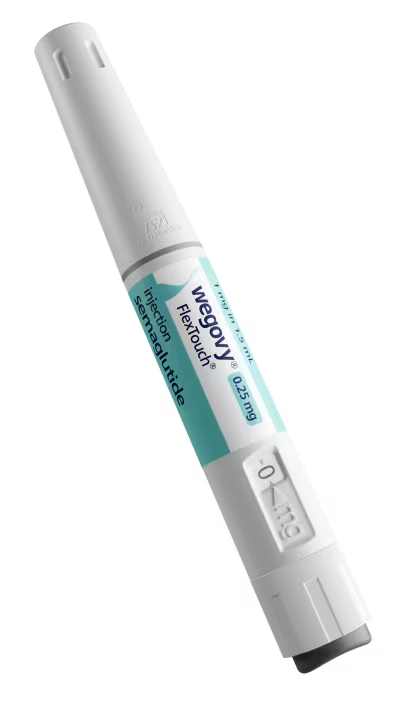
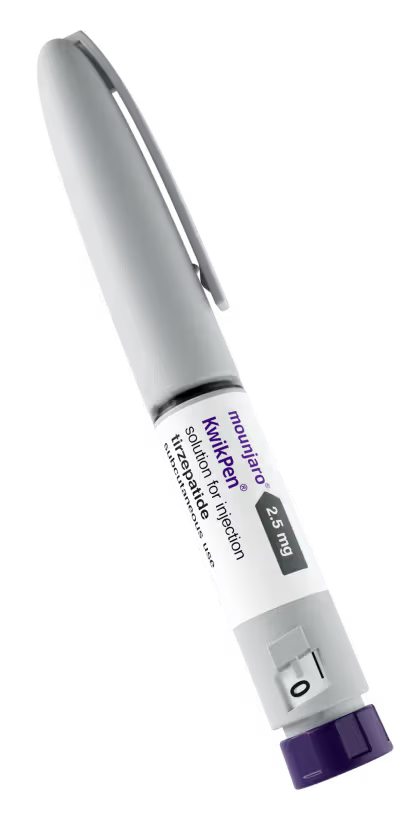
Orlistat is unlikely to help much. Newer prescription medicines called GLP-1 medicines copy a gut hormone that tells your brain you are full. They slow how fast your stomach empties and reduce food cravings. In the STEP 1 trial, people on semaglutide 2.4mg lost an average of 14.9% of their body weight over 68 weeks, compared with 2.4% on placebo.
These medicines are only suitable for some people and need a clinical assessment. You can read how quickly they take effect in our guide to when Mounjaro starts suppressing your appetite, or see the options on our weight loss treatment page.
Medical Information: This article is for informational purposes only and does not constitute medical advice. Always consult a qualified healthcare professional before starting, stopping, or changing any treatment.