Does Orlistat Work for Weight Loss?
Orlistat does work for weight loss, but results depend on your diet. Here's what the evidence shows about how much you can realistically expect to lose.
Written and medically reviewed by:

Key Takeaways
Orlistat works, cutting about a third of dietary fat absorption. Most people lose 5-10% of body weight in a year. Keeping each meal under 15g of fat is key to avoiding side effects.
Yes, orlistat works for weight loss, but how much you lose depends heavily on what you eat while taking it.
Orlistat is one of the most established weight loss medicines available in the UK. Clinical evidence consistently shows that people who take it alongside a reduced-fat diet lose more weight than those who change their diet alone. In trials, average weight loss after one year reaches around 5-10% of starting body weight. That means someone weighing 100kg could expect to lose 5-10kg over 12 months.
How it works in the body#
Orlistat belongs to a class of drugs called lipase inhibitors. Lipases are enzymes made by your stomach and pancreas that break down dietary fat so your gut can absorb it. Orlistat blocks these enzymes, so roughly a third of the fat you eat passes through your digestive system undigested rather than being stored as body fat. That reduction in absorbed calories is what drives weight loss over time.
The prescription dose is 120mg, taken three times a day with each main meal. A lower 60mg version (sold as Alli or Orlos) is available over the counter at UK pharmacies without a prescription. The 120mg dose produces modestly better results, though both doses require the same dietary approach to work properly.
The fat-per-meal rule that matters most#
Side effects are the reason many people stop taking orlistat early, and most of them are avoidable. Because the unabsorbed fat has to go somewhere, eating too much fat in one sitting causes oily or loose stools, urgency, and sometimes leakage. The practical threshold is roughly 15g of fat per meal. Stay under it and most people tolerate orlistat well. Exceed it regularly and side effects become difficult to manage.
A typical compliant meal looks like grilled chicken or white fish with vegetables and a small portion of wholegrain carbohydrate, dressed with a teaspoon of olive oil rather than a tablespoon. Processed foods, pastries, and fried items push you over the limit quickly.
Orlistat also reduces absorption of fat-soluble vitamins: A, D, E, and K. Taking a daily multivitamin is sensible, but timing matters. Take it at bedtime, well away from your orlistat doses, so the capsule does not interfere with absorption.
Who can get orlistat in the UK#
The NHS prescribes orlistat to adults with a BMI of 30 or above, or 28 or above if you have a weight-related health condition such as type 2 diabetes or high blood pressure. You also need to have tried lifestyle changes first. If you do not lose at least 5% of your body weight within three months of starting treatment, the NHS recommends stopping and reviewing other options.
The 60mg OTC version (Alli or Orlos) is available directly from a pharmacist for adults with a BMI of 28 or above. It costs roughly £30-50 for a month's supply, depending on the pharmacy. A private prescription for 120mg Xenical tends to cost more, typically £50-80 per month before dispensing fees.
One important safety note: only buy orlistat from a GPhC-registered pharmacy. The MHRA has flagged counterfeit weight loss medicines being sold through unverified online retailers. You can check any online pharmacy on the GPhC register at pharmacyregulation.org.
Got questions? Speak to a pharmacist on WhatsApp now
Prefer to browse first? View treatments
Orlistat and the contraceptive pill#
If orlistat causes severe diarrhoea, it can reduce absorption of oral contraceptives and lower their effectiveness. The risk is not from orlistat directly blocking the pill, but from the digestive disruption. If you experience significant gastrointestinal side effects, use additional contraception such as condoms until your next period, and speak to your GP.
How orlistat compares to GLP-1 medications#
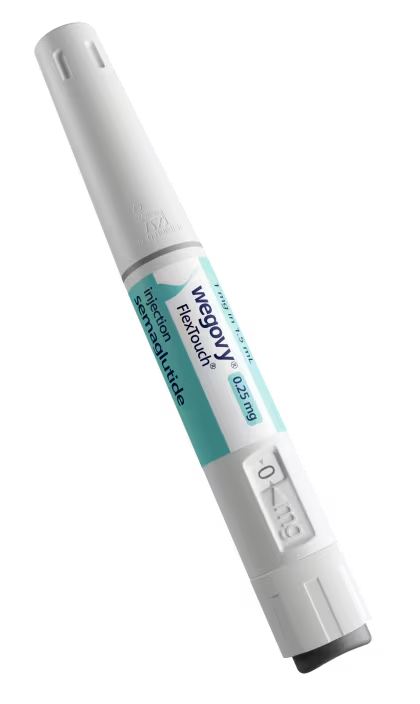
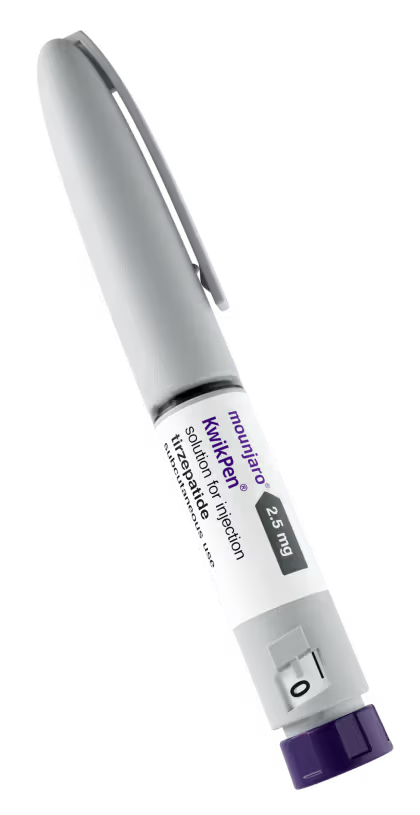
Orlistat is a solid, accessible option, but it produces less weight loss than newer GLP-1 medications. Semaglutide (Wegovy) produces around 15% weight loss after one year in clinical trials, and tirzepatide (Mounjaro) up to 22.5%. GLP-1 drugs work through appetite regulation and slow gastric emptying, which means they address hunger in a way orlistat simply does not.
For people who cannot access GLP-1 medications through the NHS, or who prefer an oral tablet to an injection, orlistat is a legitimate and evidence-based choice. It is also worth noting that orlistat has shown benefits beyond the number on the scales: it can improve blood glucose, reduce LDL cholesterol, and lower blood pressure, which matters if you have type 2 diabetes or are at risk of it.
If you are weighing up your options and want to understand how the different treatments compare, the Totiva weight loss service page covers the full range of prescription treatments currently available in the UK.
Medical Information: This article is for informational purposes only and does not constitute medical advice. Always consult a qualified healthcare professional before starting, stopping, or changing any treatment.