Saxenda Side Effects: A Practical Guide for UK Patients
From nausea in week one to rare but serious symptoms, here's what to expect from Saxenda and how to manage side effects at each stage of treatment.
Written by:

Medically reviewed by Callum Armstrong, MPharm, Independent Prescriber (IP)
Key Takeaways
Saxenda's most common side effects are nausea, vomiting, and digestive discomfort, especially during dose increases. Most improve within a few weeks. Serious effects like pancreatitis are rare but need urgent attention.
Saxenda (liraglutide 3.0mg) causes side effects in the majority of people who take it, but most of them are manageable and tend to improve as your body adjusts. The most common ones are gastrointestinal: nausea, vomiting, diarrhoea, and constipation. Serious side effects are rare, but knowing what to watch for matters.
This guide covers what to expect at each dose stage, how to reduce digestive discomfort, which symptoms need urgent attention, and how Saxenda compares to newer alternatives. Whether you're considering starting treatment or you're a few weeks in and struggling, the information below should help you make sense of what's happening.
What Is Saxenda and Why Does It Cause Side Effects?#
Saxenda contains liraglutide, a GLP-1 receptor agonist. It mimics a natural gut hormone that signals fullness to the brain and slows gastric emptying, which is exactly why it helps reduce appetite. But that same mechanism is also behind most of the side effects.
When your stomach empties more slowly, and when the brain receives amplified satiety signals, your digestive system takes time to adapt. That adjustment period is when side effects are most noticeable.
Saxenda is licensed in the UK for adults with a BMI of 30 kg/m² or above, or 27 kg/m² or above if you have a weight-related condition such as type 2 diabetes or high blood pressure. It's prescribed alongside dietary changes and increased physical activity, as set out in NICE technology appraisal guidance TA664.
If you're weighing up your options, Totiva's weight loss service covers Saxenda alongside newer GLP-1 treatments, with consultations led by UK-registered pharmacists.
Side Effects at Each Dose Stage#
Saxenda follows a gradual titration schedule, starting at 0.6mg daily and increasing every week until you reach the maintenance dose of 3.0mg. This staged approach is designed to reduce side effects, but many patients still experience symptoms as each new dose begins.
Week 1 (0.6mg): This introductory dose is below the therapeutic threshold for weight loss. Side effects at this stage are usually mild if they appear at all. Some people notice mild nausea or loose stools.
Weeks 2-3 (1.2mg): Nausea tends to become more noticeable here. It's often worst in the first few days after each dose increase and tends to settle within a week.
Weeks 4-5 (1.8mg): A similar pattern. Nausea, reduced appetite, and fatigue are common. Some patients also notice injection site reactions becoming more apparent at this stage.
Weeks 6-7 (2.4mg): By this point, many people find their body has started to adapt. Side effects often plateau or begin to ease, though some patients still struggle with nausea at higher doses.
Week 8 onwards (3.0mg): The full maintenance dose. Most people tolerate this reasonably well by the time they reach it, particularly if they've made dietary adjustments along the way. If symptoms remain severe at 3.0mg, speak to your prescriber rather than stopping abruptly.
Research confirms that nausea and vomiting are most frequent during dose escalation and tend to diminish with continued treatment as the body builds tolerance to liraglutide.

Common Side Effects#
The following side effects are considered common, meaning they affect more than one in ten people taking Saxenda:
- Nausea
- Diarrhoea
- Constipation
- Vomiting
- Low blood sugar (hypoglycaemia, particularly in people also taking diabetes medications)
- Headache
- Fatigue
- Dizziness
Additionally, up to one in ten people experience burping, bloating, indigestion, passing wind, and abdominal discomfort. These are all related to the slowing of gastric motility.
Injection Site Reactions#
Because Saxenda is injected subcutaneously (under the skin), local reactions at the injection site are fairly common. These include:
- Redness or bruising at the injection site
- Mild swelling or itching
- Small nodules or hardened areas under the skin from repeated injections in the same spot
Rotating your injection site between the abdomen, thigh, and upper arm with each dose helps significantly. Avoid injecting into an area that's already red, bruised, or has a nodule. If you notice a hard lump that doesn't resolve, mention it to your pharmacist or GP.
Psychological and Behavioural Effects#
This is an area competitors rarely cover, but patients frequently ask about it. Some people taking GLP-1 agonists like Saxenda report:
- Fatigue, particularly in the early weeks
- Low mood or emotional flatness
- Reduced cravings for alcohol (this has been observed in clinical research and is thought to relate to the same reward-pathway mechanisms that reduce food cravings)
- Changes to appetite that can feel disorientating initially
These effects aren't listed as common in the product licence, but they are real experiences. If you notice significant mood changes, it's worth raising with your GP rather than dismissing them.
Serious Side Effects#
These are rare, but important to recognise. The following symptoms need medical attention promptly.
Pancreatitis#
Inflammation of the pancreas affects fewer than 1% of people taking Saxenda, but it requires urgent attention. Symptoms include severe pain in the upper abdomen (centre or left side), nausea, vomiting, and fever. If you experience this combination, stop taking Saxenda and seek medical help the same day. Do not restart without medical guidance.
Gallbladder Problems#
Clinical trials found gallstones in around 2% of people on Saxenda, and gallbladder inflammation (cholecystitis) in under 1%. The main symptom to watch for is sudden, sharp pain in the upper right abdomen that doesn't resolve, potentially with fever, jaundice (yellowing of skin or eyes), or confusion. This needs same-day medical assessment.
Severe Dehydration#
If vomiting or diarrhoea are severe and persistent, dehydration becomes a real risk. In serious cases this can lead to kidney injury, even in people with no prior kidney problems. If you can't keep fluids down for more than 24 hours, contact NHS 111 or your GP. Oral rehydration sachets are helpful as a first step if symptoms are moderate.
Heart Rate Changes#
Saxenda can increase resting heart rate by a small amount. The MHRA advises that patients with a history of heart problems should discuss this with their prescriber before starting. If you notice persistent palpitations or an unusually rapid heartbeat, seek advice.
Thyroid Concerns#
In animal studies, liraglutide was associated with thyroid tumours. This has not been replicated in human clinical trials, and the MHRA and EMA consider the risk in humans to be unproven. However, Saxenda is not recommended for people with a personal or family history of medullary thyroid carcinoma or multiple endocrine neoplasia syndrome type 2 (MEN 2). If you notice a lump in your neck, difficulty swallowing, or persistent hoarseness, get it checked.
Managing Side Effects Practically#
Most of the common side effects can be reduced significantly with a few practical changes.
Eat smaller, more frequent meals. Large meals are harder for a slower-emptying stomach to handle. Splitting your food intake into 4-5 smaller portions across the day tends to reduce nausea considerably.
Avoid trigger foods. High-fat foods, very spicy food, and sugary or processed snacks are more likely to worsen nausea and digestive discomfort. Research on foods provoking gastrointestinal symptoms consistently points to fatty, sweet, and heavily processed options as the main culprits.
Time your injection carefully. Many people find injecting in the evening reduces the worst of the nausea, as it occurs overnight when you're sleeping rather than during waking hours. Experiment to find what works for you.
Stay hydrated. Aim for at least 1.5-2 litres of water per day. If nausea makes drinking difficult, small sips taken frequently are more effective than larger amounts less often.
Don't rush the dose escalation. If side effects at a particular dose are difficult, speak to your prescriber about staying at that dose for an extra week before moving up. This isn't medically harmful and can make a significant difference to tolerability.
Report side effects formally. In the UK, patients and healthcare professionals can report suspected side effects to the MHRA via the Yellow Card scheme at yellowcard.mhra.gov.uk. This isn't just bureaucracy. It contributes to the ongoing safety monitoring of all medicines, including Saxenda, and is genuinely useful data.
Got questions? Speak to a pharmacist on WhatsApp now
Prefer to browse first? View treatments
Who Should Not Use Saxenda?#
Saxenda is not suitable for everyone. The following groups should not take it:
- People with a personal or family history of medullary thyroid carcinoma or MEN 2
- Anyone with a history of pancreatitis
- Pregnant or breastfeeding women (liraglutide is not studied in pregnancy and should be stopped at least two months before a planned conception)
- People with severe gastrointestinal disease such as gastroparesis
- Those with inflammatory bowel disease
- Anyone with a hypersensitivity to liraglutide or any component of Saxenda
For South Asian, Black African, and Black Caribbean patients, NICE guidelines note that the standard BMI thresholds may not fully reflect cardiometabolic risk. Adjusted thresholds (typically 23 kg/m² for overweight and 27.5 kg/m² for obesity in South Asian populations) should be considered when assessing eligibility.
If you're currently taking other diabetes medications, particularly insulin or sulphonylureas, the risk of hypoglycaemia increases. Your prescriber may need to adjust your existing medications before or during Saxenda treatment.
Saxenda vs Wegovy: How Do the Side Effect Profiles Compare?#
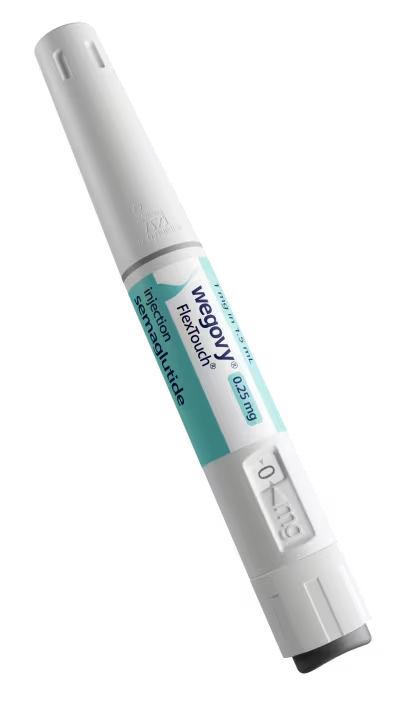
It's worth mentioning that Saxenda is no longer the newest GLP-1 option available in the UK. Wegovy (semaglutide 2.4mg weekly) was approved by NICE in 2023 (TA875) and is generally considered more effective for weight loss.
Both medicines share a very similar side effect profile: nausea, vomiting, diarrhoea, and constipation are common to both. The key practical difference is that Wegovy is a weekly injection rather than daily, which suits some patients better. Some studies suggest semaglutide may cause slightly more nausea initially, though this varies by individual.
If you're considering switching from Saxenda to a newer treatment, or haven't started yet and want to compare options, Totiva's weight loss consultation can help you work through which treatment is most appropriate for your situation.
Accessing Help and Reporting Side Effects#
If you're experiencing side effects and unsure whether they're serious, here are the right routes in the UK:
- Mild to moderate symptoms: Contact your prescribing pharmacist or GP
- Uncertain or worsening symptoms: NHS 111 (online or by phone)
- Urgent symptoms (suspected pancreatitis, severe dehydration, chest pain): A&E or 999
- Reporting side effects: MHRA Yellow Card scheme at yellowcard.mhra.gov.uk
- Medicines information: NHS medicines helpline on 0800 015 0048
Saxenda availability has also been affected by supply issues in recent years due to global demand for GLP-1 medications. If you find your treatment interrupted by a supply shortage, don't simply stop without speaking to your prescriber. Restarting after a break may require dose re-titration to avoid a return of early side effects.
Ready to see if treatment could work for you?
Starting Treatment With Support#
Side effects are manageable for the majority of people, especially with the right guidance from the start. The titration schedule exists precisely to give your body time to adapt, and most people who persist through the initial weeks find symptoms improve significantly.
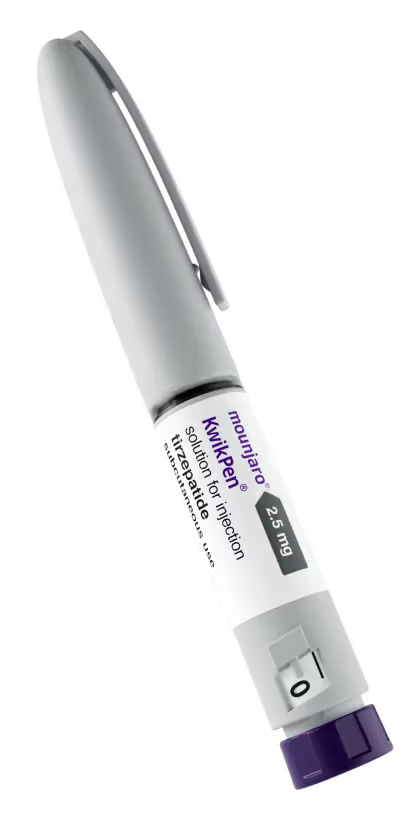
If you're thinking about starting Saxenda, or you're currently taking it and finding the side effects difficult to navigate, having a pharmacist to ask makes a real difference. At Totiva, consultations are led by GPhC-registered pharmacists who can assess whether Saxenda is appropriate for you, discuss alternatives like Wegovy or Mounjaro, and support you through treatment. You can start a weight loss consultation here.
Medical Information: This article is for informational purposes only and does not constitute medical advice. Always consult a qualified healthcare professional before starting, stopping, or changing any treatment.