How Much Protein Per Day Do You Need to Lose Weight?
Most adults losing weight do well on 1.2 to 1.6g of protein per kg of body weight a day. Here is how to work out your number, with a table and UK food examples.
Written and medically reviewed by:

Key Takeaways
Aim for 1.2 to 1.6g of protein per kg of body weight a day while losing weight. For an 80kg adult that is 96 to 128g. If your BMI is 30 or over, use an adjusted weight.
Most adults who are losing weight do well on 1.2 to 1.6g of protein per kilogram of body weight each day. For an 80kg person, that is 96 to 128g a day. The extra protein helps you keep muscle while you lose fat.
Your daily target in grams#
Multiply your weight in kg by 1.2, then by 1.6. That gives your range. Aim for the lower end if you are new to this, and build up.
| Your weight | Daily protein range |
|---|---|
| 60kg | 72 to 96g |
| 70kg | 84 to 112g |
| 80kg | 96 to 128g |
| 90kg | 108 to 144g |
| 100kg | 120 to 160g |
The UK Reference Nutrient Intake (RNI) is 0.75g per kg. For an 80kg adult, that is 60g. The RNI is the amount that prevents deficiency in the general population. It was not set for people eating less food to lose weight.
When you eat fewer calories, your body breaks down some muscle for fuel. More protein slows that down. It also keeps you fuller for longer.
Working out your number if your BMI is 30 or over#
Body weight can overestimate your needs if you carry a lot of body fat. Dietitians sometimes use an adjusted weight instead. There is more than one way to calculate it, and a dietitian may use a different fraction from the one below. Here is one simple method:
- Multiply your height in metres by itself, then by 25. This is the weight at a BMI of 25.
- Take that away from your actual weight.
- Divide the difference by 4 (a quarter, or 25%) and add it back to the BMI 25 weight.
Here is an example. Someone is 1.7m tall and weighs 120kg. Their BMI 25 weight is about 72kg. The difference is 48kg, and a quarter of that is 12kg. Their adjusted weight is 84kg. At 1.2 to 1.6g per kg, their target is about 100 to 134g a day.
Using 120kg would give 144 to 192g. That is harder to reach and not needed.
What moves your number up or down#
A few things change where you should sit in your range:
- Strength training. The International Society of Sports Nutrition suggests 1.4 to 2.0g per kg for people who train. One large meta-analysis (Morton and colleagues, 2018) found extra protein gave little added muscle gain beyond about 1.6g per kg. That research was about resistance training, not dieting, so treat 1.6g as a useful guide rather than a hard ceiling.
- A bigger calorie deficit. The harder you cut calories, the more protein helps protect muscle.
- Age. Adults over 65 lose muscle more easily and often do better at the higher end of the range.
- Maintenance. Once you stop losing weight, most people can stay in the same range. There is no need to drop to the RNI.
NHS advice is to do strength exercises on at least 2 days a week. Squats, wall press-ups and resistance bands at home all count. Protein works best alongside them.
Foods that get you there#
Approximate protein per portion:
- 1 medium egg: 6g
- 100g cooked chicken breast: about 30g
- 1 tin of tuna, drained: about 25g
- 150g pot of skyr: about 16g
- 100g cooked lentils: about 9g
For vegetarians and vegans, tofu, Quorn, soya milk, beans and lentils all work. Mix sources through the day. Eggs, tinned fish, frozen chicken, lentils and tinned beans are among the cheapest options in UK supermarkets.
Check the "per 100g" column on the label, not just the pack. Our guide to high-protein, low-calorie foods has more ideas.
Try for 20 to 30g at each of 3 meals. Research on timing (Schoenfeld and Aragon, 2018) suggests your daily total matters most. Spreading it out is sensible, but you do not need to be exact.
High-protein eating can leave you short on fibre. Add vegetables, pulses, oats and wholegrains, and drink enough fluid. This helps prevent constipation.
If you use a weight-loss medicine#
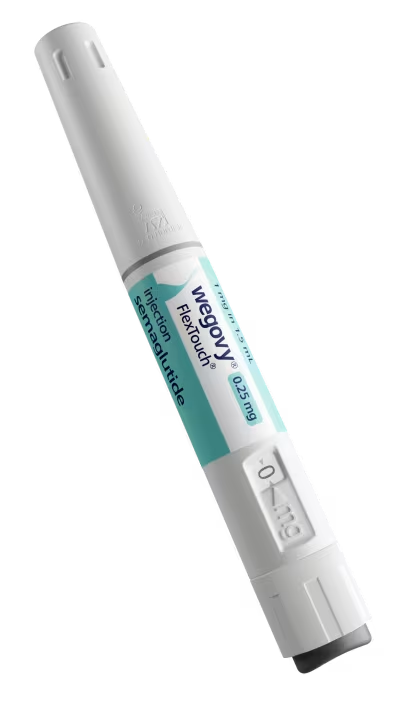
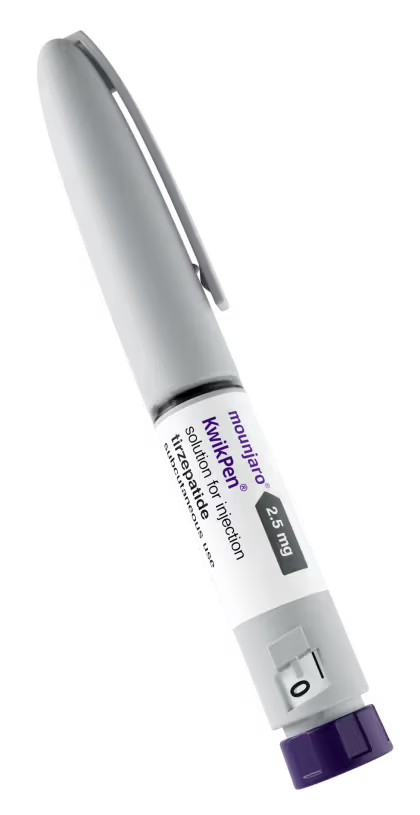
Medicines like Wegovy and Mounjaro cut your appetite a lot. You may struggle to eat enough, and you can lose muscle along with fat.
Eat small meals and start with the protein on your plate. Keep easy options to hand, such as yoghurt, eggs or a shake. Our guide to protein shakes on a GLP-1 programme explains what to look for. For meal ideas, see our 5-day Wegovy meal plan.
A shake is not essential. It helps if you cannot reach your target from food. Look for about 20g of protein per serving and little added sugar.
Got questions? Speak to a pharmacist on WhatsApp now
Prefer to browse first? View treatments
Who should check first#
The range in this article suits most healthy adults. If you are unsure whether it is right for you, or you plan to eat well above it, speak to your GP or a dietitian first.
Speak to your GP or a dietitian first if you:
- have chronic kidney disease (NICE CKD guidance covers this) or liver disease
- are pregnant or breastfeeding
- have a history of disordered eating. Counting grams can make food feel stressful for some people.
You can find a registered dietitian through the British Dietetic Association or ask your GP for a referral.
If you miss your target#
A low day does not matter. Aim for your range on most days and think in weekly averages. If you are not hungry, add one protein snack rather than a bigger meal.
If you want clinical support as well as food changes, you can start a free weight loss consultation and a UK clinician will check what suits you.
Medical Information: This article is for informational purposes only and does not constitute medical advice. Always consult a qualified healthcare professional before starting, stopping, or changing any treatment.