Hunger Hormones: Why You Feel Hungry and What Controls It
Ghrelin, leptin and gut hormones decide when you feel hungry and when you feel full. Here is how they work, what changes them, and what is still unproven.
Written and medically reviewed by:

Key Takeaways
Ghrelin rises before meals to drive hunger, while leptin from fat cells signals stored energy. Gut hormones like GLP-1 switch hunger off after eating. Sleep, protein and fibre help. Supplements that claim to reset hormones are unproven.
Hunger is not just willpower. It is driven by hormones that send messages between your gut, your fat tissue and your brain. The two best known are ghrelin, which rises before meals and tells you to eat, and leptin, which comes from body fat and tells your brain how much energy you have stored. Gut hormones released after eating then help switch hunger off.
That is the tidy version. The real picture is messier, and some popular claims go further than the evidence. This article separates what is well established from what is not.
Ghrelin and leptin side by side#
| Ghrelin | Leptin | |
|---|---|---|
| Made mainly in | The stomach | Fat cells |
| Main effect | Increases hunger | Reduces hunger, signals energy stores |
| When it rises | Before meals, and after weight loss | As body fat increases |
| When it falls | After eating | As body fat falls, and with short sleep |
Both hormones act on the hypothalamus, an area at the base of the brain that helps control appetite. Ghrelin goes up when your stomach has been empty for a while and drops after you eat. Leptin works more slowly. It reflects your longer-term energy stores rather than your last meal.
Calling ghrelin "the hunger hormone" and leptin "the fullness hormone" is a useful shorthand. It is still a simplification. Many signals share the job.
The other hormones that switch hunger off#
After you eat, your gut releases several hormones that tell the brain you are getting full. These include GLP-1, PYY and CCK. Your pancreas also releases insulin, which acts on the brain as well as on blood sugar.
GLP-1 matters most for medicines. It also slows how fast food leaves your stomach, which is part of why a meal keeps you full for longer.
Why you can feel hungry with plenty of body fat#
More body fat means more leptin, so you might expect less hunger. Often it does not work that way. Many people with obesity have high leptin levels but still feel hungry.
This is usually called leptin resistance, meaning the brain does not respond fully to the signal. The idea is widely discussed, but the mechanisms are not settled. It is not a diagnosis you can be given, and there is no routine test for it.
GPs do not normally measure ghrelin or leptin. Results would not change your treatment. If you feel constantly hungry, a GP is more likely to check for things that can drive appetite, such as type 2 diabetes, an overactive thyroid, or side effects from medicines such as steroids.
Why hunger returns after weight loss#
This is one of the best evidence-backed findings. In a well-known 2011 study in the New England Journal of Medicine, 50 adults with overweight or obesity lost weight on a very low calorie diet for 10 weeks. A year later, their leptin was still lower than expected, their ghrelin was higher, and they reported more hunger.
So if you feel hungrier after losing weight, you are not weak. Your body is pushing back. The study was small and the diet was extreme, but the pattern fits what many people describe.
Sleep, stress and exercise#
Sleep has the clearest link. In a 2004 study, 12 healthy young men slept 4 hours a night for 2 nights, then 10 hours a night for 2 nights. After the short nights, their ghrelin was 28% higher, their leptin was 18% lower, and they felt about a quarter hungrier. That is a small, short lab study in young men, so treat the exact figures with care. The direction is consistent with other research. The NHS says most adults need 6 to 9 hours a night.
Stress is less clear. Stress raises cortisol, and some people eat more or crave sweet, fatty food when stressed. How much of that is down to ghrelin or leptin is uncertain.
Exercise helps your health and weight in many ways. Its effect on hunger hormones is small and varies from person to person. The UK Chief Medical Officers advise 150 minutes of moderate activity a week (brisk walking counts).
Drinking water has no good evidence of changing ghrelin or leptin. It is still worth drinking enough, but do not expect it to switch off hunger.
Got questions? Speak to a pharmacist on WhatsApp now
Prefer to browse first? View treatments
Food choices that help you feel full#
Protein and fibre are the most reliable. Protein tends to be more filling than fat or refined carbohydrate. Fibre adds bulk and slows digestion. UK adults are advised to eat 30g of fibre a day, and many manage around 20g.
Practical examples:
- Eggs or Greek yoghurt at breakfast
- Porridge (see our guide on whether porridge is good for weight loss)
- Wholegrain bread instead of white
- Lentils, beans and chickpeas in soups and stews
The NHS Eatwell Guide is a sound template. Regular meals can also help, because long gaps leave you ravenous and more likely to overeat.
How semaglutide and tirzepatide fit in#
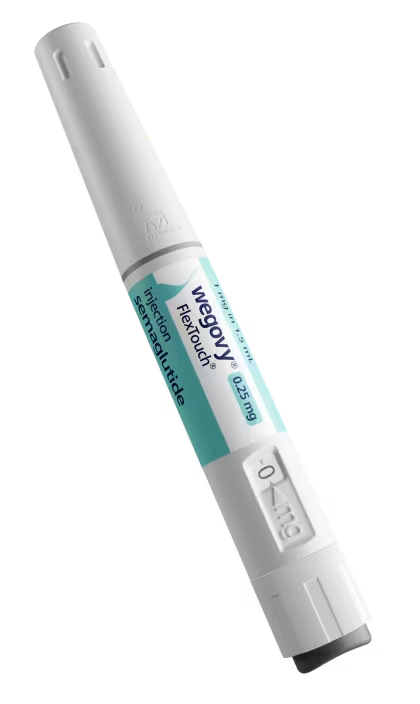
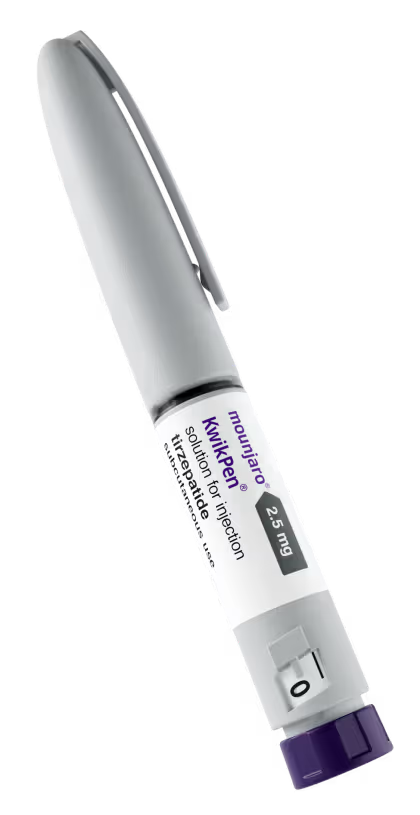
These medicines do not mainly work by changing ghrelin or leptin. Semaglutide copies GLP-1, and tirzepatide copies GLP-1 and a second gut hormone called GIP. They act on appetite centres in the brain and slow stomach emptying.
In a small trial of 30 people with obesity, semaglutide reduced hunger and cravings and led to people eating less at a test meal. Larger trials show average weight loss of around 15% on semaglutide 2.4mg over 68 weeks. Effects on ghrelin are mixed, and leptin falls as fat is lost.
These are prescription-only medicines. On the NHS, NICE recommends semaglutide and tirzepatide for adults with a BMI of 35 or more and at least one weight-related condition, with a lower BMI threshold for some ethnic backgrounds. Access is limited and run through specialist weight management services. Private services can assess people with a BMI over 30, or over 27 with a weight-related condition. Always check that a pharmacy is on the GPhC register. If you want to see whether treatment could suit you, Totiva's weight loss service starts with a free online consultation, and a UK clinician decides if treatment is appropriate.
Supplements and hormone "resets"#
Products that claim to reset leptin, block ghrelin or balance your hunger hormones are not backed by good evidence. Hunger hormones are not something a capsule can fix. Be wary of anything sold this way.
Ready to see if treatment could work for you?
Reading your own hunger#
A simple 1 to 10 hunger scale can help you notice real hunger. At 1 you feel faint and ravenous. At 3 you are properly hungry, and your stomach may rumble. At 5 you feel neutral. At 7 you are comfortably full. At 10 you feel stuffed.
Most people do best starting a meal around 3 or 4 and stopping around 6 or 7. Eating slowly gives fullness signals time to reach your brain. If you are often hungry soon after balanced meals, or you notice extreme thirst or fast, unexplained weight change, speak to your GP or pharmacist.
Medical Information: This article is for informational purposes only and does not constitute medical advice. Always consult a qualified healthcare professional before starting, stopping, or changing any treatment.