25 High-Protein, Low-Calorie Foods for Effective Weight Loss
Discover 25 protein-packed foods under 200 calories that keep you full longer and support sustainable weight loss without sacrificing taste or nutrition.
Written by:

Medically reviewed by Callum Armstrong, MPharm, Independent Prescriber (IP)
Key Takeaways
These 25 protein-rich foods help you lose weight by keeping you full longer whilst preserving muscle mass. Focus on lean meats, fish, eggs, and plant proteins under 200 calories per serving.
25 High-Protein, Low-Calorie Foods for Effective Weight Loss#
Protein is your secret weapon for weight loss. These 25 foods deliver maximum protein with minimal calories, helping you stay full longer whilst maintaining muscle mass during your weight loss journey.
Why Protein Matters for Weight Loss#
Protein isn't just about building muscle – it's one of the most effective tools for sustainable weight loss. When you eat protein-rich foods, your body uses more energy to digest them compared to fats or carbohydrates, a process called the thermic effect of food.
Research shows that increasing protein intake to 25-30% of total calories can boost metabolism by up to 100 calories per day. More importantly, protein helps you feel satisfied for longer periods, naturally reducing your overall calorie intake without leaving you hungry.
A 2020 systematic review found that people following higher-protein diets lost significantly more weight and maintained muscle mass better than those on standard protein diets. The key is choosing protein sources that deliver maximum nutrition without excess calories.
How Much Protein Do You Actually Need?#
The NHS recommends 0.75g of protein per kilogram of body weight for adults. However, if you're trying to lose weight, research suggests aiming higher – around 1.2-1.6g per kilogram of body weight.
For a 70kg person, this translates to roughly 84-112g of protein daily. Spreading this across three meals means targeting about 25-30g of protein per meal, plus a protein-rich snack.
The British Dietetic Association emphasises that timing matters too. Including protein at breakfast can help control appetite throughout the day and prevent late-night snacking.
Complete vs Incomplete Proteins: What's the Difference?#
Not all proteins are created equal. Complete proteins contain all nine essential amino acids your body can't make itself – these include meat, fish, eggs, dairy, quinoa, and soy products.
Incomplete proteins lack one or more essential amino acids but can be combined to create complete protein profiles. For example, beans and rice together provide all essential amino acids, as do hummus and wholemeal pitta.
For weight loss, both types are valuable. The key is variety and ensuring you get adequate amounts throughout the day.
25 High-Protein, Low-Calorie Champions#
1. Chicken Breast (31g protein, 165 calories per 100g)#
Skinless chicken breast remains the gold standard for lean protein. It's versatile, affordable, and available in every UK supermarket. Buy British chicken when possible – it often has better welfare standards and supports local farming.
2. White Fish (20-25g protein, 80-120 calories per 100g)#
Cod, haddock, and plaice are British favourites that deliver excellent protein with virtually no fat. Fresh fish from your local fishmonger often tastes better than supermarket alternatives.
3. Prawns (18g protein, 71 calories per 100g)#
These shellfish pack more protein per calorie than chicken breast. Frozen prawns from supermarkets like Tesco and ASDA are convenient and often better value than fresh.
4. Canned Tuna in Water (25g protein, 116 calories per 100g)#
A student favourite for good reason. Choose tuna in spring water rather than brine or oil. John West and Princes both offer sustainably caught options.
5. Salmon (25g protein, 208 calories per 100g)#
Scottish salmon provides protein plus heart-healthy omega-3 fatty acids. Canned salmon is more affordable and equally nutritious – try it in jacket potatoes or salads.
6. Eggs (13g protein, 155 calories per 100g)#
Two medium eggs provide about 12g of complete protein. Free-range eggs from British farms often have better yolk colour and taste. Egg whites contain pure protein if you want to reduce calories further.
7. Greek Yoghurt (10g protein, 59 calories per 100g)#
Choose 0% fat versions for maximum protein-to-calorie ratio. Fage Total 0% and ASDA's own-brand Greek yoghurt both deliver excellent results. Add berries or a drizzle of honey for flavour.
8. Cottage Cheese (11g protein, 98 calories per 100g)#
Often overlooked, cottage cheese is making a comeback. It's perfect for quick snacks or adding protein to salads. Look for versions with live cultures for added digestive benefits.
9. Skimmed Milk (3.4g protein, 35 calories per 100ml)#
Whilst not high-protein per serving, milk is an excellent base for protein smoothies and cereals. British milk has strict quality standards and supports local dairy farmers.
10. Lean Beef (26g protein, 158 calories per 100g)#
Choose cuts like eye of round or topside. British beef, particularly grass-fed varieties, often has better flavour and nutritional profiles than imported alternatives.
11. Turkey Breast (24g protein, 135 calories per 100g)#
Similar to chicken but with slightly different flavour. Turkey mince is excellent for Bolognese and chilli – often available in most supermarkets year-round, not just at Christmas.
12. Tofu (8g protein, 76 calories per 100g)#
Firm tofu works brilliantly in stir-fries and curries. It absorbs flavours well, making it perfect for British palates. Most supermarkets now stock various tofu types in their world food aisles.
13. Tempeh (19g protein, 192 calories per 100g)#
Fermented soy product with a nutty flavour and firm texture. Higher in protein than tofu and provides probiotics. Available in health food stores and increasingly in mainstream supermarkets.
14. Lentils (9g protein, 116 calories per 100g)#
Red, green, and brown lentils are British store-cupboard staples. They're incredibly affordable – often under £1 per bag – and perfect for bulking out soups, stews, and curries.
15. Chickpeas (8g protein, 164 calories per 100g)#
Whether tinned or dried, chickpeas are protein powerhouses. Roasted chickpeas make excellent high-protein snacks, whilst tinned ones are perfect for quick curries and salads.
16. Black Beans (9g protein, 132 calories per 100g)#
Popular in Mexican-inspired dishes, black beans pair beautifully with rice and vegetables. Most UK supermarkets stock tinned versions in their world food sections.
17. Edamame (11g protein, 122 calories per 100g)#
Young soybeans available frozen in most supermarkets. They make excellent snacks – just boil for 5 minutes and sprinkle with sea salt.
18. Quinoa (4.4g protein, 120 calories per 100g)#
One of the few complete protein grains. More expensive than rice or pasta but provides superior nutrition. Available in all major UK supermarkets.
19. Oats (11g protein, 379 calories per 100g)#
Whilst higher in calories overall, oats provide excellent protein for breakfast. Scottish oats are often considered superior in texture and flavour.
20. Protein Powder (20-25g protein, 100-120 calories per serving)#
Whey protein is most common, but plant-based options include pea, hemp, and rice protein. Look for products with minimal artificial ingredients and good third-party testing.
21. Spirulina (4g protein, 26 calories per tablespoon)#
This blue-green algae is incredibly nutrient-dense. Add a tablespoon to smoothies for an protein and vitamin boost without affecting taste significantly.
22. Hemp Seeds (5g protein, 85 calories per tablespoon)#
Nutty-tasting seeds that work well sprinkled on yoghurt, salads, or cereals. They provide complete protein and healthy fats.
23. Pumpkin Seeds (9g protein, 158 calories per 30g serving)#
Excellent for snacking or adding crunch to salads. They're rich in minerals like zinc and magnesium alongside their protein content.
24. Lean Pork (22g protein, 143 calories per 100g)#
Pork tenderloin and loin chops are surprisingly lean. Choose cuts with visible fat trimmed and British pork when possible for quality assurance.
25. Mussels (18g protein, 73 calories per 100g)#
Often overlooked, mussels are incredibly protein-dense and low in calories. Scottish mussels are widely available and sustainable.
Making It Work: Practical Tips#
Breakfast: Start with Greek yoghurt topped with berries and a sprinkle of hemp seeds (20g protein, under 200 calories).
Lunch: Tuna salad with mixed leaves, chickpeas, and a hard-boiled egg (35g protein, around 300 calories).
Dinner: Grilled chicken breast with steamed vegetables and quinoa (40g protein, approximately 400 calories).
Snacks: Cottage cheese with cucumber slices or roasted chickpeas.
Got questions? Speak to a pharmacist on WhatsApp now
Prefer to browse first? View treatments
Budget-Friendly Protein Shopping#
Buying protein doesn't have to break the bank. Eggs, lentils, and tinned fish offer excellent value. Supermarket own-brands often match branded products for quality whilst costing significantly less.
Buy chicken and fish in bulk when on offer and freeze portions. Dried beans and lentils are incredibly economical – a 500g bag costs under £2 and provides multiple meals.
Check the reduced sections in supermarkets for near-expiry protein sources – these are perfect for immediate cooking or freezing.
Supporting Your Weight Loss Journey#
Whilst high-protein foods are excellent for weight management, they work best as part of a comprehensive approach. If you're struggling to lose weight despite dietary changes, it might be worth exploring additional support.
Totiva offers weight loss consultations with qualified UK pharmacists who can discuss various treatment options, including prescription medications when appropriate. These consultations consider your individual circumstances, medical history, and weight loss goals.
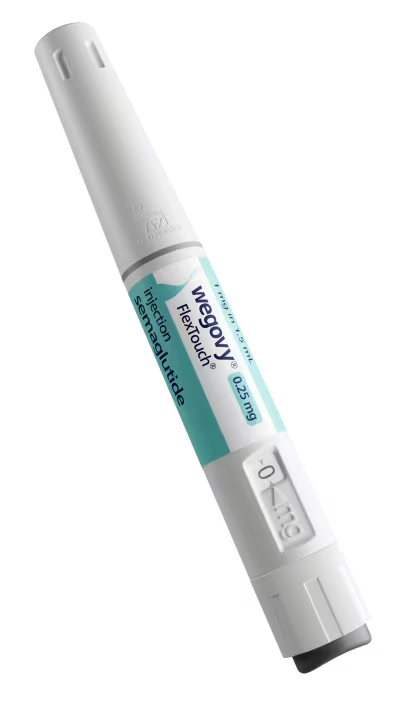
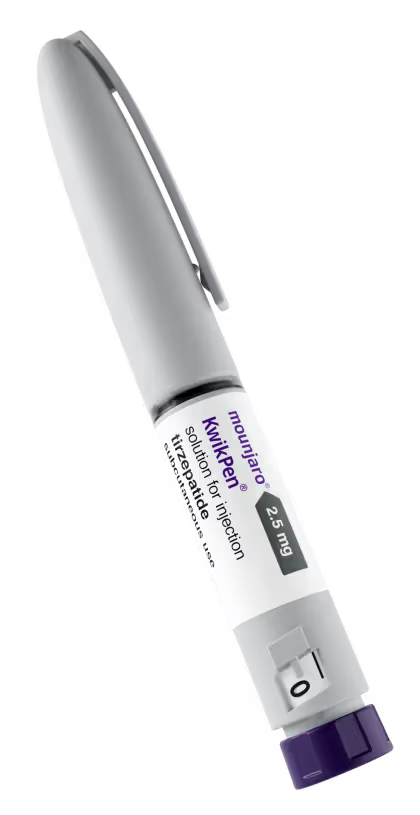
Modern weight loss treatments like GLP-1 medications can be particularly effective when combined with protein-rich diets, helping to reduce appetite whilst maintaining muscle mass during weight loss.
The Bottom Line#
High-protein, low-calorie foods are your allies in sustainable weight loss. They help preserve muscle mass, boost metabolism, and keep you satisfied longer between meals.
Start by incorporating 2-3 of these foods into your daily routine. Focus on variety to ensure you're getting complete nutrition whilst keeping meals interesting.
Remember, successful weight loss is about consistency, not perfection. Choose proteins you enjoy eating – you're more likely to stick with changes that fit your lifestyle and taste preferences.
If you'd like personalised guidance on weight management strategies, including the potential role of prescription treatments alongside dietary changes, Totiva's pharmacist consultations can provide expert advice tailored to your individual needs.
Medical Information: This article is for informational purposes only and does not constitute medical advice. Always consult a qualified healthcare professional before starting, stopping, or changing any treatment.