How Much Protein Is in Chicken (And Why It Matters on a Weight Loss Programme)
From breast to drumsticks, here's exactly how much protein each chicken cut contains, plus why protein intake matters so much if you're using GLP-1 medications.
Written by:

Medically reviewed by Chris Armstrong, MPharm
Key Takeaways
Chicken breast provides around 31g of protein per 100g cooked, making it one of the best lean protein sources available. If you're on a GLP-1 medication like Wegovy or Mounjaro, aiming for 1.2-1.6g of protein per kg of body weight daily helps protect muscle during weight loss.
Chicken breast contains around 31g of protein per 100g when cooked, making it one of the most protein-dense foods you can buy at any UK supermarket. But the cut you choose, and how you cook it, makes a real difference to how much protein ends up on your plate.
This matters more than ever for people using GLP-1 medications like Wegovy or Mounjaro. When your appetite is suppressed, every meal needs to work harder nutritionally. Getting enough protein isn't just about hitting a number; it's about protecting the muscle mass you already have while your body loses fat.
How Much Protein in Each Chicken Cut#
Here's a straightforward comparison of the main cuts, based on raw weights unless stated:
| Cut | Protein per 100g (raw) | Calories per 100g |
|---|---|---|
| Chicken breast (skinless) | ~24g | ~120 kcal |
| Chicken breast (cooked) | ~31g | ~165 kcal |
| Chicken thigh (skinless, boneless) | ~17g | ~150 kcal |
| Chicken drumstick (skin on) | ~16g | ~185 kcal |
| Chicken wings (skin on) | ~18g | ~220 kcal |
Protein values increase when cooked because water evaporates, concentrating the nutrients. A raw 150g chicken breast becomes roughly a 120g cooked portion, but that portion contains the same total grams of protein. Worth bearing in mind when you're tracking macros.
Chicken Breast#
Skinless chicken breast is the gold standard for lean protein. Low in saturated fat, high in protein, and genuinely versatile. A typical supermarket chicken breast from Tesco or Sainsbury's weighs around 150-200g raw, which gives you roughly 35-50g of protein per portion. That's a substantial contribution to your daily target in a single meal.
It also delivers useful micronutrients: B vitamins (especially B6 and niacin), selenium, and phosphorus. B6 in particular plays a role in protein metabolism, so there's a quiet synergy in eating chicken regularly.
Chicken Thighs#
Thighs are often overlooked, but they're a solid choice. The slightly higher fat content makes them more flavourful and harder to overcook, which is practically useful when you're not feeling inspired in the kitchen. At around 17g of protein per 100g raw, they're not far behind breast. A 200g boneless, skinless thigh portion gives you roughly 35g of protein.
The extra fat does add calories, but fat is satiating and slows digestion. For people on GLP-1 medications already dealing with delayed gastric emptying, a modest fat intake from whole food sources like chicken thigh isn't a problem.
Chicken Drumsticks#
Drumsticks tend to be cheaper and are popular for batch cooking. With the skin on, they contain more fat and fewer grams of protein per 100g than breast. Remove the skin and you close the gap considerably. They work well roasted or air-fried, and pairing them with vegetables and a grain keeps the overall meal nutritious without much effort.
Chicken Wings#
Wings are naturally higher in fat relative to protein because of their skin-to-meat ratio. They're not the most efficient source of protein by weight, but they're far from nutritionally empty. If wings are what you enjoy, eating them without sauce and alongside a high-protein side (Greek yoghurt-based dip, for example) keeps the meal balanced.
Does Cooking Method Affect Protein Content?#
The short answer is no, not meaningfully. Cooking doesn't destroy protein; it denatures it, which actually makes it slightly easier to digest. What changes is weight and therefore concentration. Grilling, baking, poaching, or air-frying are all fine from a protein perspective.
What does affect the nutritional profile is what you add during cooking. Battered and deep-fried chicken significantly increases calorie and fat content without adding protein. Processed chicken products, including deli-sliced chicken breast, often contain added salt and fillers that dilute the protein per gram. Rotisserie chicken from the supermarket is generally a good option as long as it's not heavily glazed; check the label and you'll often find it's a decent protein source with minimal additives.
For practical purposes, grilling or baking skinless chicken breast in the oven with herbs and a small amount of olive oil is the easiest way to get a high protein meal with minimal effort or added calories.
Can You Eat Too Much Chicken?#
For most people in good health, eating chicken daily is fine. Variety is worth pursuing, partly for nutritional breadth and partly because eating the same thing every day tends to make meals feel like a chore. Pairing chicken with other protein sources across the week, fish, eggs, legumes, Greek yoghurt, keeps your amino acid intake varied and your diet more enjoyable.
There are some caveats. Very high protein intakes over sustained periods can put strain on kidneys in people who already have renal impairment. If you have kidney disease or have been advised to follow a protein-restricted diet, speak to your GP or dietitian before significantly increasing your intake. For everyone else, the evidence doesn't support concerns about high protein intake from whole food sources like chicken.
Digestive discomfort, particularly constipation, can occur when protein intake rises sharply without a corresponding increase in fibre and water. This is worth watching if you're increasing your protein intake as part of a new eating plan.
Protein Intake on GLP-1 Medications#
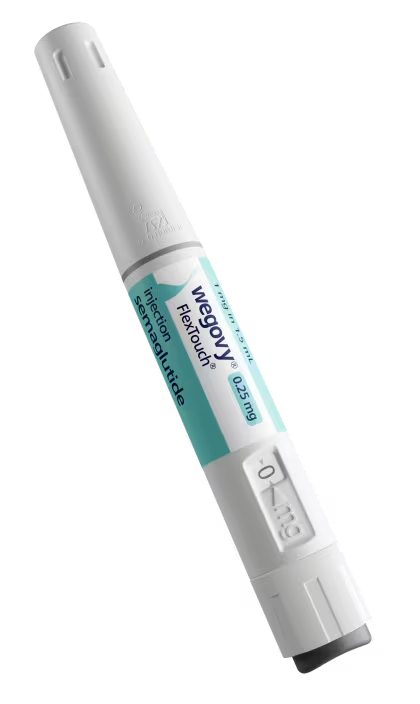
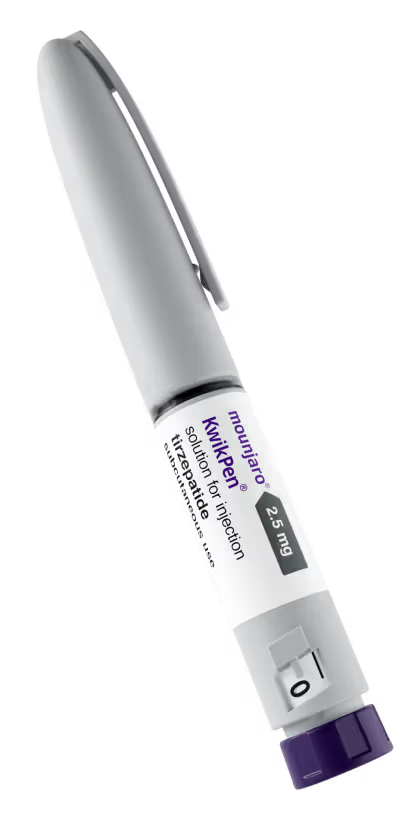
This is where protein in chicken stops being purely a fitness question and becomes a clinical one. If you're taking semaglutide (Wegovy) or tirzepatide (Mounjaro), your appetite is being suppressed, sometimes quite significantly. People often eat considerably less than they did before starting treatment.
The problem is that when you lose weight quickly, your body doesn't just lose fat. Without adequate protein and some resistance exercise, a proportion of that weight loss comes from muscle. Muscle loss reduces your metabolic rate and functional strength, which works against the long-term goals of treatment.
Current evidence suggests adults on GLP-1 medications should aim for around 1.2 to 1.6 grams of protein per kilogram of body weight per day to preserve lean muscle mass. For a 90kg adult, that's roughly 108-144g of protein daily. That's a meaningful target when your appetite is reduced.
A 200g cooked chicken breast provides around 60g of protein. Add two eggs at breakfast (roughly 12g combined) and a portion of Greek yoghurt (around 10-15g per 100g), and you're already at 80-90g before dinner. Chicken makes it genuinely achievable.
Older adults (65 and over) on GLP-1 medications face a higher risk of sarcopenia, the age-related loss of muscle mass and strength. The British Dietetic Association recommends that older adults may need protein at the higher end of this range. If you're in this group, discussing your dietary needs with a dietitian alongside your prescribing clinician is worth doing.
For anyone on a GLP-1 medication wondering about their nutrition, Totiva's weight loss service includes clinician-led support as part of the consultation process, not just a prescription and a leaflet.
Protein Timing: Does It Matter on Ozempic?#
There's an often-missed nuance here. GLP-1 medications slow gastric emptying, meaning food sits in your stomach longer. Large meals can become uncomfortable. Spreading protein across three or four smaller meals, rather than trying to hit your target in one sitting, tends to work better practically and may improve absorption.
Research suggests that muscle protein synthesis responds well to doses of around 25-40g of protein per meal. A chicken breast portion fits neatly into that range. Rather than one large protein-heavy meal, aiming for consistent protein at each eating occasion tends to support muscle preservation more effectively.
Got questions? Speak to a pharmacist on WhatsApp now
Prefer to browse first? View treatments
Best Protein Sources to Pair with Chicken#
Chicken is excellent, but building your intake around multiple sources is better for both nutrition and palatability. For GLP-1 medication users specifically, easy-to-tolerate options matter because nausea is common, especially during dose escalation.
High-protein foods that tend to be well-tolerated:
- Eggs: Around 6-7g per egg. Scrambled or poached eggs are gentle on the stomach and quick to prepare.
- Greek yoghurt: 10-15g per 100g. Works as a snack, breakfast base, or sauce alternative.
- White fish (cod, haddock): Around 18-20g per 100g. Mild flavour, easy to digest.
- Cottage cheese: Around 11g per 100g. Often better tolerated than harder cheeses when nausea is present.
- Edamame and lentils: Lower per-gram protein than animal sources but useful for variety and fibre content.
Protein powder supplements are a practical tool when appetite is very low, though they work best as a supplement to whole food rather than a replacement. A whey or plant-based protein shake can bridge the gap on days when eating feels difficult, without adding significant volume.
Practical Meal Ideas#
For anyone on a GLP-1 medication trying to hit protein targets without forcing large meals:
- Lunch: 150g grilled chicken breast over a mixed salad with feta and chickpeas. Roughly 45-50g of protein.
- Dinner: Baked chicken thighs with roasted vegetables and quinoa. Around 35-40g of protein.
- Snack: 150g Greek yoghurt with a handful of mixed nuts. Around 15g of protein.
- Breakfast: Two eggs scrambled with smoked salmon. Around 25g of protein.
These are modest in volume, which matters when your appetite is suppressed, but they stack up to a solid daily protein total.
There's a reason chicken tikka masala remains one of the most popular dishes in the UK; chicken absorbs flavour well and pairs with spices and sauces that make it genuinely enjoyable. Using a yoghurt-based marinade keeps the fat lower than cream-based alternatives and adds a little extra protein in the process.
The NHS Context on Protein and Weight Loss#
The NHS Eatwell Guide recommends protein as part of a balanced diet, with current UK dietary reference values set at 0.75g per kilogram of body weight for sedentary adults. That baseline is deliberately conservative and is not designed for people actively losing weight, using medication that suppresses appetite, or trying to preserve muscle mass.
NICE guidelines on obesity management (TA875 and NG28) focus on treatment efficacy but don't prescribe specific protein targets. In practice, the clinical consensus among dietitians and prescribing pharmacists is that the 0.75g/kg figure is insufficient for people on GLP-1 medications and that a higher target, consistent with the 1.2-1.6g/kg range, better supports outcomes.
If you're using or considering a GLP-1 medication and want to understand how nutrition fits into your treatment, Totiva's pharmacist-led consultations cover this as part of the process. You can start a free weight loss consultation online, and you only pay if a clinician approves treatment for you.
Ready to see if treatment could work for you?
A Note on Ozempic vs Wegovy in the UK#
It's worth clarifying a common point of confusion. Ozempic and Wegovy both contain semaglutide, but they are licensed for different purposes in the UK. Ozempic is licensed for type 2 diabetes and is prescribed on the NHS for that indication. Wegovy is the licensed option for weight management in adults with obesity or overweight with a weight-related health condition.
Patients sometimes ask about Ozempic for weight loss. In the UK, Wegovy is the appropriate prescription for this purpose through a licensed weight loss service. Totiva prescribes Wegovy (and Mounjaro, which contains tirzepatide) for eligible patients through its weight loss service, following a clinical consultation that includes a short video call as required by current regulations.
Putting It Together#
Chicken is one of the most practical protein sources available in the UK, affordable, widely available, easy to cook in bulk, and genuinely high in protein across all cuts. Breast leads on protein density, but thighs and drumsticks are solid options that bring their own advantages in flavour and cost.
If you're on a GLP-1 medication, making chicken a regular part of your meals is one of the simplest ways to protect muscle mass during weight loss. Pair it with eggs, Greek yoghurt, and fish across the week, distribute protein across meals rather than concentrating it in one sitting, and aim for that 1.2-1.6g/kg target.
Getting the nutrition side right makes a real difference to how you feel on treatment and to your results long term.
Medical Information: This article is for informational purposes only and does not constitute medical advice. Always consult a qualified healthcare professional before starting, stopping, or changing any treatment.