Protein Shakes for Weight Loss: Which Ones Work Best on a GLP-1 Programme
On Wegovy, Mounjaro or another GLP-1? Choosing the right protein shake protects muscle mass while your appetite is suppressed. Here is what to look for.
Written and medically reviewed by:

Key Takeaways
On a GLP-1 medication, choose a shake with 20–30g protein, under 5g sugar, and no sugar alcohols if you have GI symptoms. Whey isolate and pea-plus-rice blends are the most practical options. Use shakes to fill gaps on difficult days, not to replace meals.
Which protein shakes are best for weight loss?#
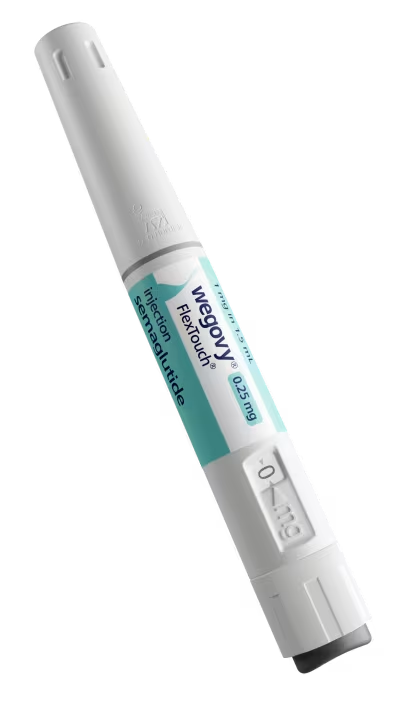
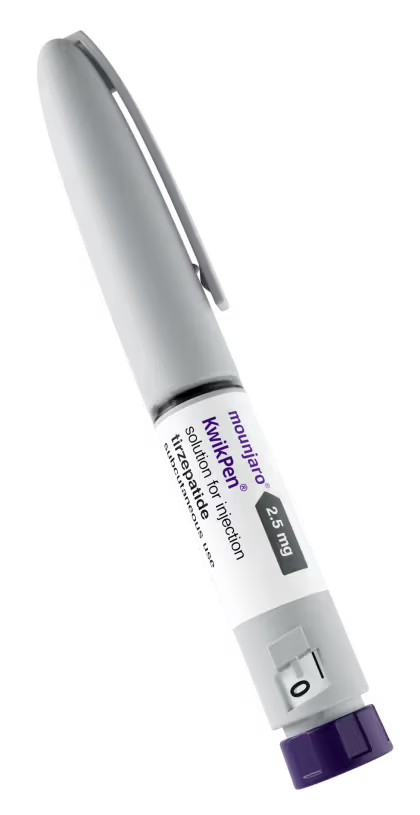
For most people on a GLP-1 medication (semaglutide as Wegovy injections or Wegovy Tablets, tirzepatide as Mounjaro), the best protein shakes deliver 20–30g of protein per serving, contain under 5g of sugar, and use minimal additives. Whey protein isolate and pea-plus-rice blends are the most evidence-backed options. The type of shake matters less than hitting your daily protein target consistently, particularly when your appetite is suppressed.
Wegovy Tablets contain semaglutide but are a distinct oral formulation with a different pharmacokinetic profile and different clinical efficacy data compared with Wegovy injections. Your clinician can advise which formulation is appropriate for you.
Why muscle loss is the real risk#
GLP-1 medications reduce appetite strongly, which creates the calorie deficit needed for weight loss. The problem is that a deep calorie deficit without enough protein causes the body to break down lean muscle as well as fat.
Secondary analyses of semaglutide trial data suggest that a meaningful proportion of weight lost on GLP-1 medications can come from lean mass rather than fat, though estimates vary across studies and depend on individual factors such as exercise habits and protein intake. Results have not been consistent across all GLP-1 trials. But the direction of the evidence is clear: eating too little protein accelerates lean mass loss during rapid weight reduction.
Muscle tissue drives your resting metabolic rate. Losing it makes weight maintenance harder after you stop treatment. Protein shakes are one practical way to protect muscle when food intake is low.
How much protein do you actually need?#
The British Dietetic Association (BDA) recommends roughly 0.75g of protein per kilogram of body weight daily for the general adult population. On a GLP-1 programme, most dietitians advise a higher target, typically 1.2–1.6g per kg of body weight, to offset lean mass loss during active weight reduction.
Here is a quick reference based on body weight:
| Body weight | General BDA target | GLP-1 programme target |
|---|---|---|
| 80 kg | 60g/day | 96–128g/day |
| 100 kg | 75g/day | 120–160g/day |
| 120 kg | 90g/day | 144–192g/day |
Most people on GLP-1 medications eat far less than usual, so hitting these numbers from food alone is genuinely difficult. That is where a shake becomes useful as a supplement, not a replacement for a balanced diet.
Whey or plant-based?#
Whey isolate is the most studied option for muscle preservation. It is rapidly absorbed, high in leucine (the amino acid most directly linked to muscle protein synthesis), and typically low in lactose. Leucine stimulates muscle building, but adequate total energy intake and resistance exercise are also required for this to translate into preserved muscle mass.
One caution with standard whey concentrate: it contains more lactose than isolate. GLP-1 medications already slow gastric emptying, and some users experience nausea, bloating or loose stools as a result. Adding lactose from whey concentrate can worsen these symptoms. If you notice this, switching to whey isolate or a plant-based blend is a straightforward fix.
Pea protein combined with rice protein provides a complete amino acid profile comparable to whey. This combination works well for anyone who is vegan, lactose intolerant, or simply finding that dairy aggravates their GI symptoms.
Soy protein is another plant-based option. It is worth noting that soy-containing foods and supplements may interfere with the absorption of levothyroxine (thyroid medication). If you take levothyroxine, speak to your pharmacist or prescriber about the appropriate timing of soy-based products, as guidance on separation intervals can vary depending on your individual regimen.
Ingredients to avoid if you have GI side effects#
GLP-1 medications cause nausea, bloating and constipation in a significant proportion of users, especially in the first few weeks and on injection days. Some common shake ingredients make this worse:
- Lactose (found in whey concentrate): can worsen bloating and loose stools
- Sugar alcohols (sorbitol, maltitol, xylitol): well-established causes of gas and diarrhoea, best avoided if you have GI symptoms
- Artificial sweeteners (sucralose, acesulfame-K): may aggravate gut discomfort in sensitive individuals
- High fibre additions: useful for constipation, but go slowly as fibre on an already sluggish gut can cause cramping
If you are struggling with GI symptoms, a short ingredient list is your best guide. Look for a shake with one or two protein sources, a little natural flavouring, and nothing else you cannot pronounce.
Timing around your injection day#
Nausea from GLP-1 injections tends to peak in the first one to three days after the dose. Solid food is often unappealing during this window. A small, cold protein shake (100–200ml) is easier to tolerate than a full meal and helps you maintain some protein intake on your worst days.
On tolerance days (typically days four to seven after injection), focus on high-protein whole foods: eggs, Greek yoghurt, cottage cheese, chicken or fish. See our guides on how much protein is in an egg and how much protein is in chicken if you want to build meals around specific targets.
Shakes work best as a fallback on difficult days, not as a daily substitute for real food.
Got questions? Speak to a pharmacist on WhatsApp now
Prefer to browse first? View treatments
Food first, shakes second#
Protein shakes are supplements, which means they fill a gap. If you can eat Greek yoghurt, eggs, or cottage cheese, those whole foods provide protein alongside micronutrients that shakes rarely match. This is the approach NICE's obesity guidance and NHS Tier 3 weight management programmes take: food quality first, supplementation where needed.
If your appetite is so suppressed that you are consistently eating under 800 calories a day, speak to a dietitian before relying heavily on shakes. Eating very little and using shakes to meet protein targets risks missing micronutrients altogether. A registered dietitian can assess whether a complete meal replacement or micronutrient supplement is appropriate. You can access a dietitian through an NHS referral from your GP or self-refer via the BDA's Find a Dietitian directory at bda.uk.com.
What to look for on the label#
- Protein per serving: 20–30g
- Sugar: under 5g per serving
- Calories: 150–250 kcal (shakes should supplement your diet, not crowd out meals)
- Short ingredient list: fewer additives means fewer chances of aggravating nausea
- UK-manufactured or EU-retained food supplement law compliance: look for clear nutritional labelling per the FSA front-of-pack guidance
The main practical consideration when taking protein shakes alongside a GLP-1 medication is the slowed gastric emptying GLP-1s cause, which affects how quickly a shake is digested and how full it makes you feel.
After stopping GLP-1 treatment#
NICE has published separate guidance covering the clinical criteria for continuing semaglutide (Wegovy) and tirzepatide (Mounjaro), and any decision to stop treatment should be clinician-led rather than self-initiated. After stopping, appetite typically returns and weight regain is a real risk. Maintaining a protein-rich diet and continuing resistance exercise after stopping treatment is one of the most evidence-backed strategies for holding onto the muscle you preserved and limiting fat regain.
If you are considering a GLP-1 weight loss treatment and want to understand your options, Totiva's weight loss service page sets out the treatments available and the consultation process.
Medical Information: This article is for informational purposes only and does not constitute medical advice. Always consult a qualified healthcare professional before starting, stopping, or changing any treatment.