Diet or Exercise: Which Matters More for Weight Loss?
Diet creates the calorie deficit that drives weight loss. Exercise preserves muscle and keeps weight off long-term. Here's how to use both effectively.
Written and medically reviewed by:

Key Takeaways
Diet matters more for short-term weight loss because it creates a calorie deficit more efficiently. Exercise protects muscle mass and is essential for keeping weight off. Most people benefit most from combining both.
Diet has the bigger impact on short-term weight loss. Exercise matters too, but for different reasons, and at different stages. Neither is a complete answer on its own.
This is not a cop-out. The evidence is clear that most people lose more weight by changing what they eat than by exercising more, at least initially. But the picture shifts when you look at keeping weight off, protecting muscle, and long-term metabolic health. Understanding where each fits helps you decide where to focus first.
How many calories does exercise actually burn?#
Exercise burns fewer calories than most people expect. A 75 kg person walking briskly for 30 minutes burns roughly 150 kcal, based on standard MET (metabolic equivalent of task) calculations. A high-calorie snack can wipe that out in seconds.
The NHS recommends 150 minutes of moderate activity per week for general health. That is a worthy goal, but it is not a reliable route to large calorie deficits on its own. Research consistently shows that exercise alone produces modest weight loss, partly because appetite often increases to compensate.
This is where the ghrelin effect comes in. Ghrelin is the hormone that signals hunger. Some studies show it rises after aerobic exercise, which can lead to eating more after a workout. The response is variable: not everyone experiences it, and higher-intensity sessions may suppress appetite short-term. But it is a real enough pattern that many people find themselves eating back most of what they burned.
Why diet creates the deficit more efficiently#
Cutting 500 kcal from your daily intake is far easier than burning 500 kcal through exercise. Choosing a lower-calorie lunch or skipping a sugary drink takes seconds. Burning the same amount requires roughly 45 to 60 minutes of vigorous activity, depending on your weight and fitness level.
NICE guideline NG238 (2022), the current operative guideline on adult weight management, identifies dietary change as the primary driver of calorie deficit in structured weight loss programmes. Physical activity plays an important supporting role, but the calorie maths strongly favour dietary change for the initial deficit.
Food quality matters as much as quantity. Ultra-processed foods are a significant driver of excess calorie intake in the UK. They are engineered to be easy to overeat, and they can disrupt the appetite hormones (leptin and ghrelin) that normally signal fullness. Choosing foods higher in protein, fibre, and water content makes a deficit easier to sustain without constant willpower.
The NHS Eatwell Guide provides a practical UK framework: base meals on starchy carbohydrates, fill a third of the plate with vegetables and fruit, and include lean protein and reduced-fat dairy. This structure naturally reduces calorie density without requiring calorie counting.
What exercise actually does for weight loss#
Exercise's main contribution to weight loss is not the calories burned during a session. It is what happens to your body composition and metabolism over time.
Resistance training (weights, resistance bands, bodyweight exercises) builds and preserves muscle mass. Muscle is metabolically active tissue: the more you have, the more calories you burn at rest. This is called resting metabolic rate (RMR). Losing weight through diet alone often means losing both fat and muscle. That lowers your RMR and makes further loss harder. Adding resistance training protects against this.
Cardio (running, cycling, swimming) improves cardiovascular fitness, supports mood, and contributes to the overall calorie deficit. But its effect on long-term weight maintenance comes largely from the habit itself, not from the calories burned per session.
For weight maintenance specifically, exercise becomes more important than during the initial loss phase. Studies on people who have kept significant weight off long-term consistently show they exercise more than those who regain it. The NHS recommends staying active as a core part of long-term weight management, not just a tool for losing weight.
Diet vs exercise: a comparison#
| Factor | Diet | Exercise |
|---|---|---|
| Short-term weight loss | Larger effect | Smaller effect |
| Creating a calorie deficit | More efficient | Less efficient |
| Preserving muscle | Weak effect alone | Strong effect (resistance training) |
| Resting metabolic rate | Can lower it over time | Resistance training raises it |
| Long-term weight maintenance | Essential | Also essential |
| Appetite hormones | Protein and fibre help control hunger | Aerobic exercise can temporarily increase hunger |
| Health beyond weight | Strong benefits | Strong, independent benefits |
| Accessibility | Can change diet anywhere | May require space, equipment, or time |
Cost and access are real considerations. Gym memberships are expensive, and outdoor exercise is not equally accessible for everyone. NHS Exercise Referral Schemes in England, Wales, and Scotland offer subsidised, clinician-referred activity programmes for people with health conditions. Your GP can advise on eligibility.
A verdict by situation#
If you can only change one thing now: focus on diet. Reducing calorie intake through food choices produces faster, more reliable short-term results for most people.
If you have limited mobility or a chronic condition: dietary change is often the more practical route. Even small reductions in portion size or swapping ultra-processed snacks for whole foods can move the needle without physical exertion. Speak to a GP or dietitian about what exercise is safe and appropriate.
If you are already eating well but progress has stalled: this is where adding or increasing exercise, particularly resistance training, often helps. Metabolic adaptation (where the body becomes more efficient and burns fewer calories at a lower weight) is real. Exercise can help offset it.
If you want to keep weight off long-term: you need both. Diet sets the conditions for loss; regular physical activity is strongly associated with maintenance. Aiming for the NHS-recommended 150 minutes of moderate activity per week alongside a sustainable eating pattern is the evidence-based approach.
If sleep or stress is disrupting your results: these are underappreciated factors. Poor sleep raises ghrelin and lowers leptin, increasing hunger. Research suggests sleep-deprived adults may consume several hundred extra calories per day compared to those sleeping 7 to 9 hours, though the precise figure varies between studies. Chronic stress elevates cortisol, which promotes fat storage particularly around the abdomen. Addressing sleep and stress can make both diet and exercise more effective.
Got questions? Speak to a pharmacist on WhatsApp now
Prefer to browse first? View treatments
The GLP-1 era changes the calculation#
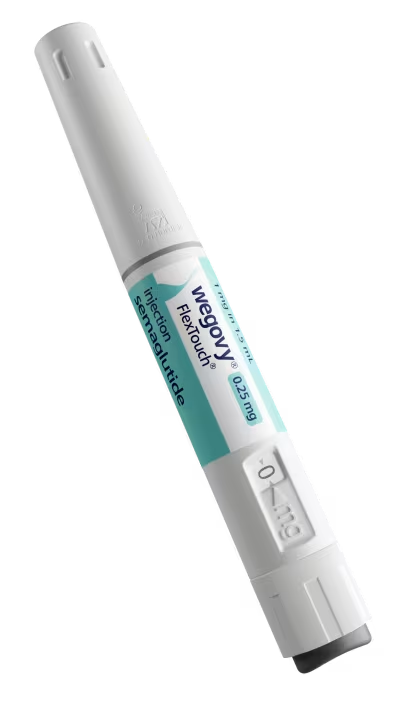
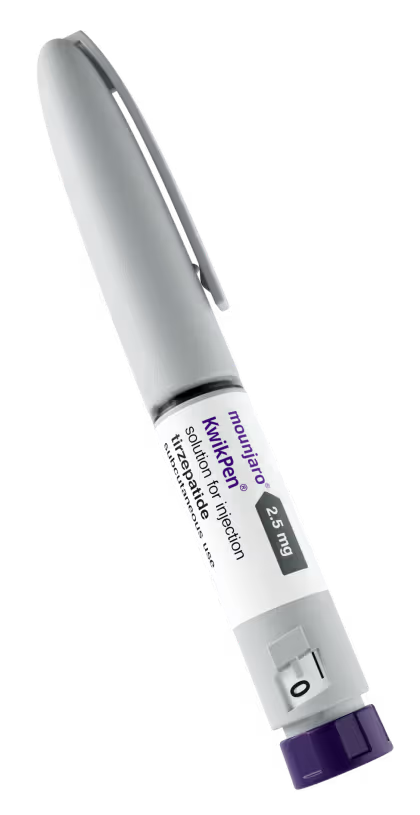
Medications like semaglutide and tirzepatide have changed how many people approach weight loss. Semaglutide is a GLP-1 receptor agonist (a drug that mimics a gut hormone to reduce appetite and slow gastric emptying). Tirzepatide is a dual GIP/GLP-1 receptor agonist, acting on two gut hormone pathways simultaneously. Both shift the diet side of the equation significantly by reducing hunger without requiring constant conscious effort.
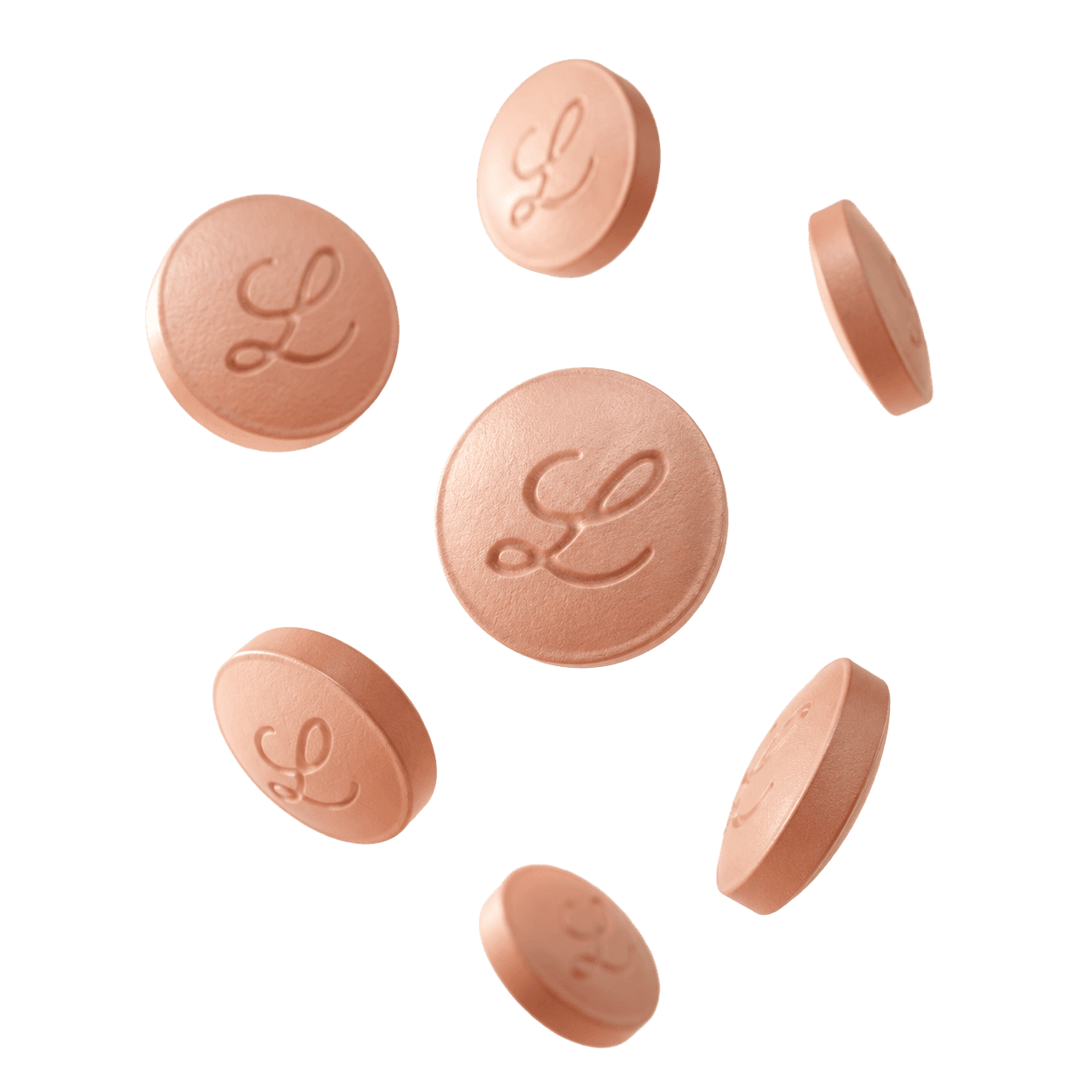
Totiva offers several weight loss treatments following a clinician assessment, including Wegovy (semaglutide injection, averaging 20.7% body weight loss), Mounjaro (tirzepatide injection, averaging 22.5% body weight loss), Wegovy Tablets (oral semaglutide, averaging approximately 15% body weight loss), and Foundayo (orforglipron tablets, a non-peptide GLP-1 receptor agonist, averaging 12.4% body weight loss). These are prescription treatments, and eligibility depends on individual health factors.
For people taking these medications, exercise becomes relatively more important in the overall strategy. These drugs reduce appetite effectively, but they can also cause some muscle loss alongside fat loss, which makes clinical supervision during treatment important. Your prescribing clinician can monitor for this and advise on how to minimise it. Resistance training is particularly valuable during treatment to protect muscle mass and support long-term metabolic health. The diet-versus-exercise debate looks different when appetite is pharmacologically managed: the focus shifts to food quality and protein intake rather than quantity.
For more on sustainable eating alongside weight loss medication, the UK weight loss diet plan guide covers practical meal planning in detail. And if you are wondering whether your current exercise habits are enough to support your goals, is 20 minutes of exercise a day enough gives a clear evidence-based answer.
If you are considering medication as part of your approach, you can start a free weight loss consultation at Totiva to find out which options may be suitable for you.
Medical Information: This article is for informational purposes only and does not constitute medical advice. Always consult a qualified healthcare professional before starting, stopping, or changing any treatment.