Intermittent Fasting Benefits: What the Research Actually Shows
Intermittent fasting can support weight loss and improve metabolic health, but the benefits depend heavily on which method you use and whether it suits you.
Written by:

Medically reviewed by Callum Armstrong, MPharm, Independent Prescriber (IP)
Key Takeaways
Intermittent fasting supports weight loss and improves insulin sensitivity. Results are broadly similar to standard calorie restriction. It is not suitable for everyone, particularly people on insulin, SGLT2 inhibitors, or those with a history of eating disorders.
Intermittent fasting can support weight loss, improve insulin sensitivity, and lower blood pressure. The benefits are real, but they are broadly similar to those from standard calorie restriction. Whether fasting works better than cutting calories depends largely on which approach you can stick to.
How fasting changes your metabolism#
When you eat, insulin rises and your body stores energy. During a fasting period, insulin falls and your body shifts to burning stored glycogen for fuel. After glycogen runs low (timing varies considerably between people depending on activity, body size, and prior meal size), the body begins drawing on fat stores through a process called lipolysis. Some research suggests fasting may also trigger autophagy, a cellular recycling process. Most autophagy evidence comes from animal or cell studies, though, and the fasting duration needed to produce meaningful autophagy in humans is not yet established.
What the evidence supports#
A 2025 systematic review and meta-analysis of randomised controlled trials found that intermittent fasting reduced body weight, waist circumference, and fasting insulin compared with no dietary restriction. A 2022 meta-analysis in Nature Reviews Endocrinology found that weight loss from intermittent fasting was comparable to continuous calorie restriction when overall calorie intake was matched.
For people with type 2 diabetes or prediabetes, a 2025 systematic review of randomised trials found that time-restricted eating improved fasting glucose and HbA1c. The effect was meaningful, but it did not clearly outperform standard calorie-controlled diets.
Blood pressure improvements have also been reported, particularly with the 5:2 method. A 2022 trial published in JAMA Internal Medicine found that 16:8 time-restricted eating reduced systolic blood pressure and improved cardiometabolic markers over 12 weeks.

16:8 versus 5:2: which is better?#
Both methods produce similar weight loss when sustained. The practical differences matter more than the metabolic differences.
| Method | Eating pattern | Average weight loss at 3 months | Best suited to |
|---|---|---|---|
| 16:8 | 8-hour window daily | Roughly 3–5% body weight | People who prefer daily structure |
| 5:2 | 500–600 kcal on 2 days/week | Roughly 3–5% body weight | People who prefer flexible weekdays |
| Alternate-day fasting | Fast every other day | Broadly similar | Research settings; harder to sustain |
These figures are approximate and drawn from systematic review data. Results vary significantly by individual. NICE guidelines (NG246, 2024) do not recommend intermittent fasting as a first-line strategy for obesity management, but they acknowledge it as a valid dietary approach within a broader weight management plan.
A note on cardiovascular safety#
A 2024 study published in the Journal of the American Heart Association (Lichtash et al.) reported an association between strict 8-hour time-restricted eating and increased cardiovascular mortality in people with pre-existing heart disease. This was an observational study and cannot confirm causation, but it is a credible signal. If you have a diagnosed heart condition, discuss fasting with your GP or cardiologist before starting.
Women, hormones, and intermittent fasting#
The evidence in women is more nuanced than it is in men. A 2025 systematic review found that time-restricted eating improved metabolic markers in women with polycystic ovary syndrome (PCOS). However, extended fasting in women has been linked in some studies to disruption of the hypothalamic-pituitary-ovarian axis, which can affect menstrual regularity and fertility. This risk appears most relevant with prolonged or severe calorie restriction rather than moderate 16:8 fasting, but it is worth monitoring. Women who are pregnant or breastfeeding should not fast.
Evidence specific to perimenopausal women remains limited. If you notice changes to your cycle after starting fasting, speak to your GP.
Got questions? Speak to a pharmacist on WhatsApp now
Prefer to browse first? View treatments
Medication interactions: a practical guide#
Fasting can affect how some medicines behave. The table below covers the most common UK prescriptions.
| Medicine | Key concern | Practical advice |
|---|---|---|
| Metformin | Nausea if taken on an empty stomach | Take with first meal of the day |
| Sulfonylureas (e.g. gliclazide) | Hypoglycaemia risk when fasting | Medical supervision required |
| Insulin | Significant hypoglycaemia risk | Do not fast without specialist guidance |
| SGLT2 inhibitors (e.g. empagliflozin) | Increased diabetic ketoacidosis risk when food intake drops | MHRA advises caution; discuss with prescriber |
| Antihypertensives | Fasting can lower blood pressure; double effect possible | Monitor for dizziness, particularly in the first weeks |
| SSRIs | Generally safe, but some need food to reduce nausea | Take with your first meal |
| Statins | Most can be taken at any time with water | Timing change is usually fine |
If you take any prescription medicine, check timing with your pharmacist before starting a fasting regimen.
Ramadan fasting#
Millions of people in the UK fast during Ramadan, typically for around 14 to 18 hours daily. For many, this produces metabolic effects similar to 16:8 fasting. If you manage a long-term condition such as type 2 diabetes or hypertension, your medicines may need to be timed or adjusted around Suhoor and Iftar. TREND-UK (the specialist diabetes and Ramadan organisation) publishes detailed guidance for healthcare professionals and patients on managing diabetes medications during Ramadan. NHS Diabetes guidance and your GP practice can also help you plan safely before the month begins.
Who should not fast without medical supervision#
Avoid unsupervised fasting if you:
- Have type 1 diabetes or take insulin or sulfonylureas
- Take SGLT2 inhibitors
- Are pregnant or breastfeeding
- Are under 18 or over 74
- Have a history of an eating disorder
- Have a diagnosed heart condition
The psychological risks of fasting deserve more attention than they typically receive. For some people, especially those with a history of restrictive eating, a structured fasting window can reinforce disordered patterns. NICE guideline NG69 covers the recognition and treatment of eating disorders. If fasting feels compulsive or distressing, speak to your GP.
Ready to see if treatment could work for you?
What to drink during a fast#
Water, black coffee, and plain herbal teas are all acceptable during a fasting window. Plain electrolyte tablets dissolved in water (with no carbohydrates) are useful if you develop headaches or muscle cramps during the first week or two, which is common as your body adapts. Carbohydrate-containing drinks, including fruit juice and most sports drinks, break a fast and should be saved for your eating window.
Combining fasting with GLP-1 weight loss medicines#
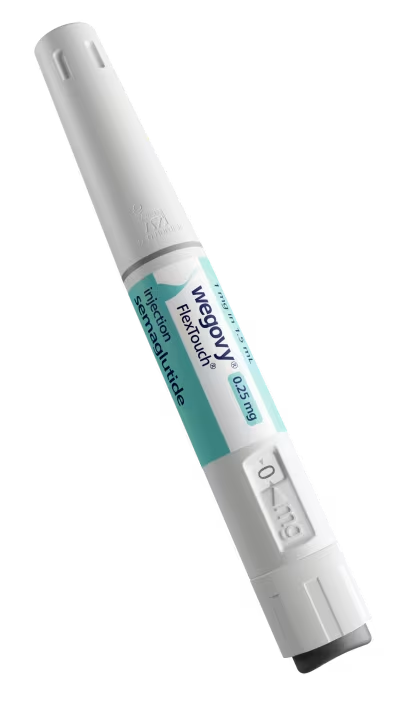
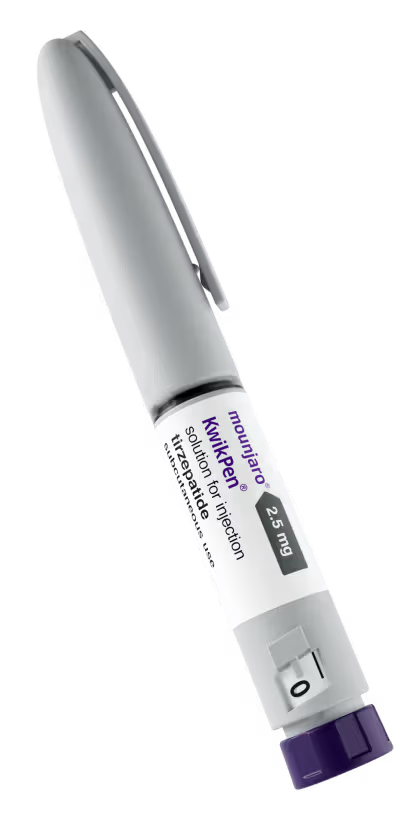
Many people now take GLP-1 medications such as injectable Wegovy (semaglutide), oral Wegovy Tablets, Mounjaro (tirzepatide), or Foundayo and want to know whether fasting is compatible. GLP-1 medicines already reduce appetite significantly, so adding a fasting window can amplify calorie restriction. This is not necessarily harmful, but it increases the risk of eating too little protein and key nutrients. There is no specific MHRA or NICE guidance on combining fasting with GLP-1 therapy, so the decision should be made with your prescribing clinician. If you are already on one of these medicines, you can explore your options through the Totiva weight loss service.
How long before results appear?#
Most people who sustain intermittent fasting notice measurable weight loss within four to eight weeks. Metabolic improvements such as lower fasting glucose or blood pressure may appear earlier. Results depend heavily on what you eat during the window, not just when you eat.
If you have comorbidities such as type 2 diabetes or hypertension and want structured support, ask your GP about Tier 2 or Tier 3 weight management referrals. These NHS services can include dietary support, behavioural coaching, and, where appropriate, medical treatment. If you would prefer to explore clinically supervised options online, you can start a free weight loss consultation at Totiva.
Medical Information: This article is for informational purposes only and does not constitute medical advice. Always consult a qualified healthcare professional before starting, stopping, or changing any treatment.